 English
 русский
 Español
 عربى
عربىCan Diesel Generators Run on Biodiesel? Blends, Risks, and Compatibility
Can diesel generators run on biodiesel? Yes, most can — but the useful answer has four conditions: the blend, the engine, the fuel storage, and the derate you are willing to accept. After more than a decade of integrating Cummins, Perkins, Volvo, MTU, Weichai and Yuchai platforms into generator sets, we have seen biodiesel work well in both standby and prime-power duty. The failures we repair are rarely caused by biodiesel itself; they come from switching to a high blend without adjusting anything else.
What Biodiesel Actually Means for a Generator
Biodiesel is a renewable fuel made by transesterifying vegetable oils, animal fats or used cooking oil. Commercial biodiesel is almost always a fatty acid methyl ester (FAME). It is not the same fuel as hydrotreated vegetable oil (HVO), sometimes called renewable diesel, which is chemically close to petroleum diesel. That distinction matters: FAME contains oxygen, attracts water and gels at higher temperatures than mineral diesel.
The blend number tells you how much biodiesel is in the tank:
| Blend | Biodiesel content | Typical generator application | What you should expect |
|---|---|---|---|
| B5 | 5% | Any engine, no adjustment | No practical difference from standard diesel fuel. |
| B20 | 20% | Most modern generator sets without modification | Slight fuel-consumption increase, somewhat more frequent filter changes, good cold behaviour. |
| B100 | 100% | Dedicated or specially approved systems | Requires upgraded seals, fuel heating in cold climates, output derating and disciplined maintenance. |
Fuel quality is the quiet risk. Certified biodiesel meets ASTM D6751 in North America or EN 14214 in Europe. Uncertified or poorly processed fuel causes more injector and filter failures than any blend choice you can make.
Which Diesel Generator Sets Can Run on Biodiesel
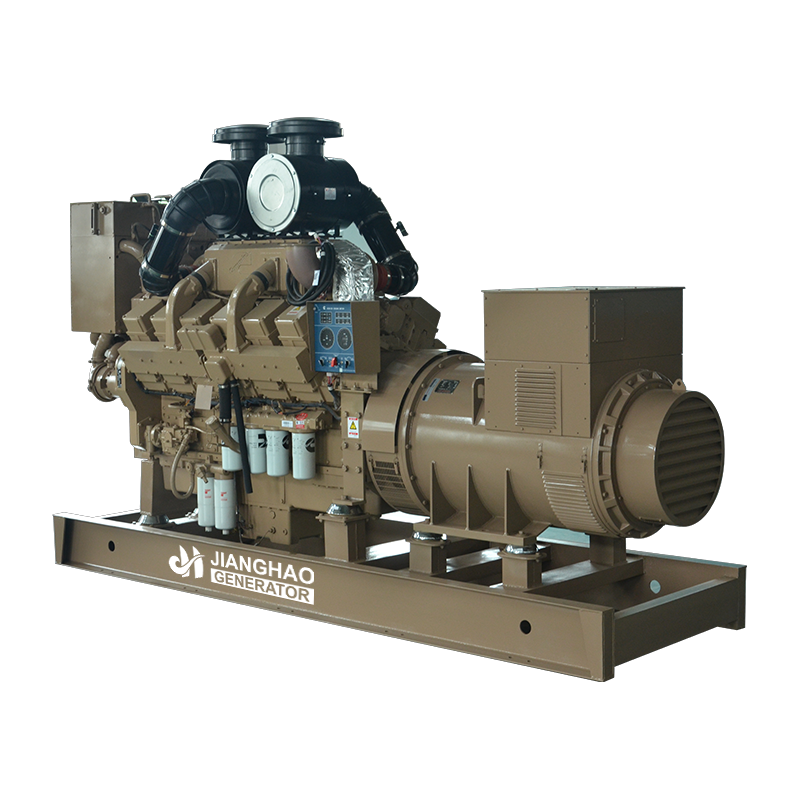
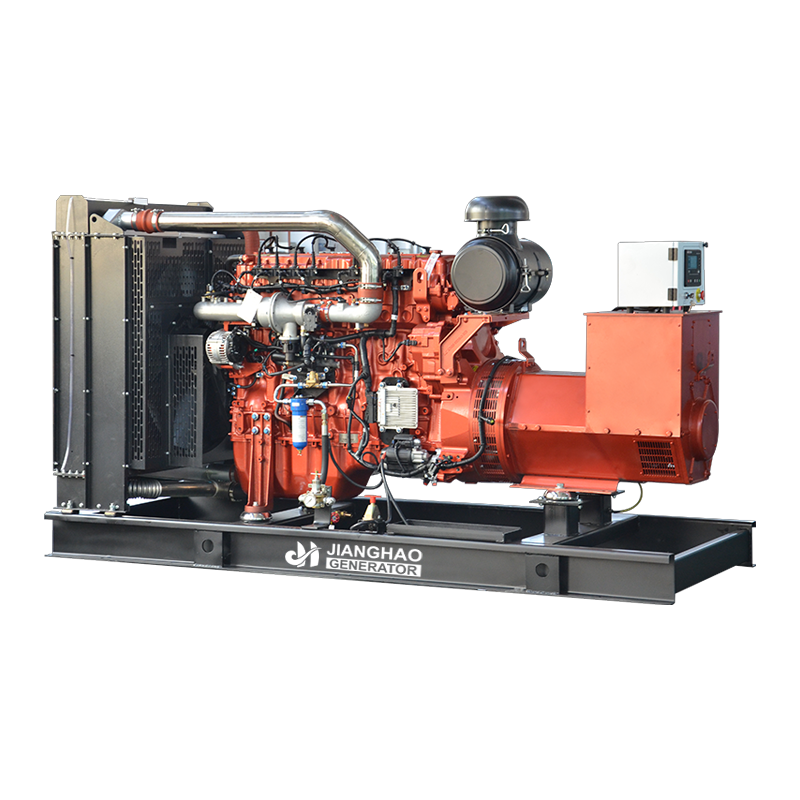
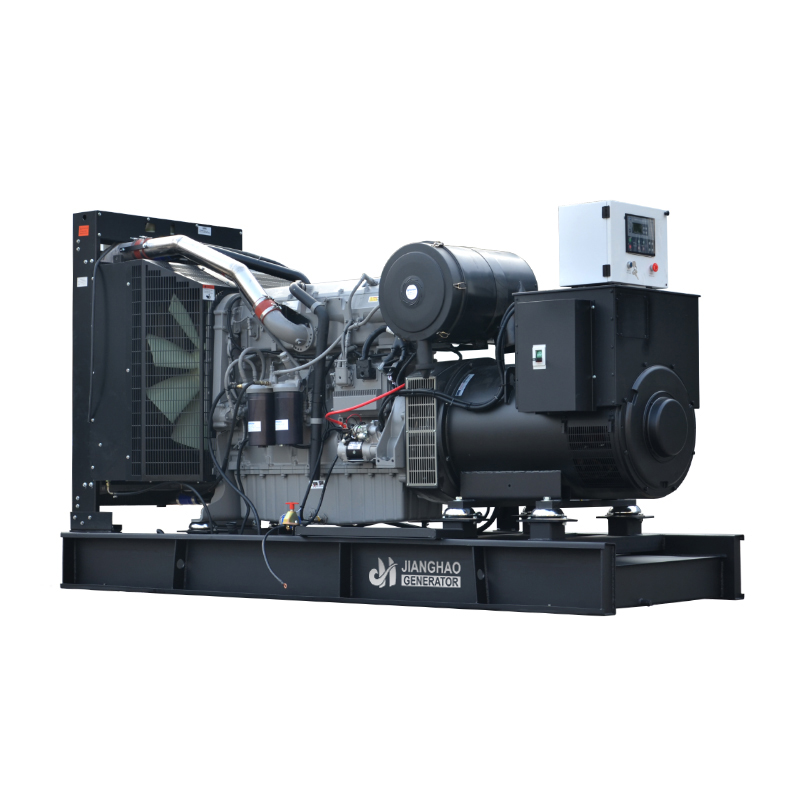
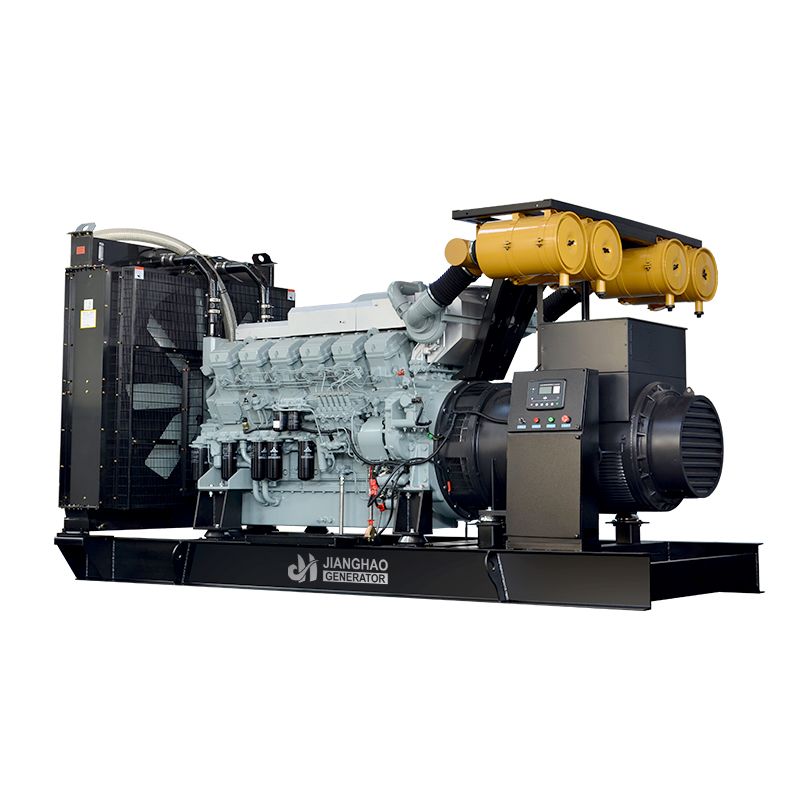
Most engines used in modern generator sets are approved by the engine manufacturer for at least B20. Because we build sets around production engines rather than adapting after delivery, a standard Jianghao diesel generator set already meets that baseline.
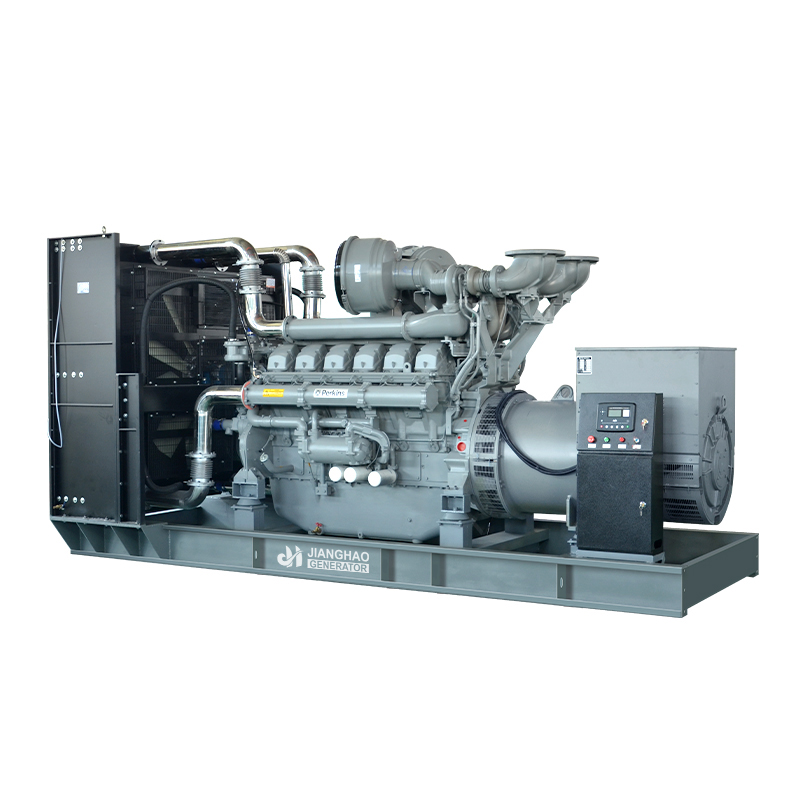
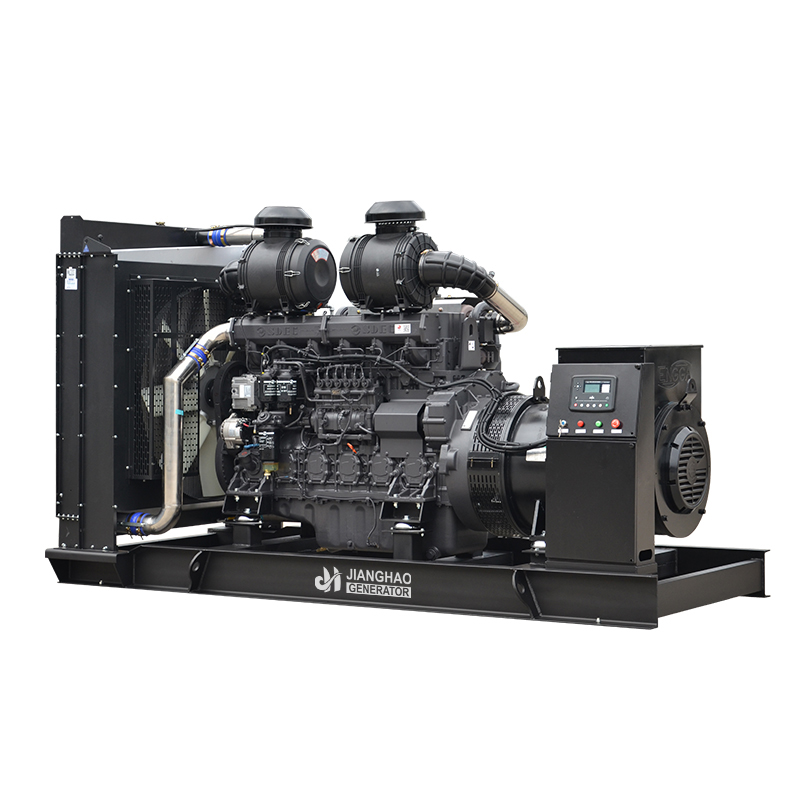
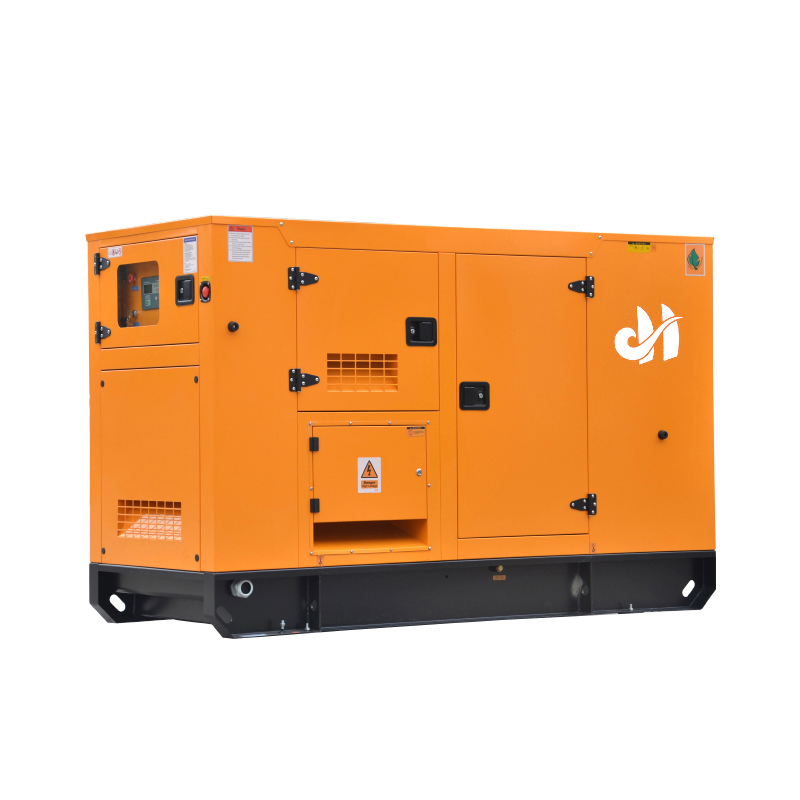
 Jianghao Diesel Generator Sets with Multiple Engine OptionsThis manufacturer offers generator sets from 3 to 3000 kW using brands like Cummins, Perkins, and Volvo, covering various enclosure types. Useful when verifying biodiesel compatibility before purchase.View Product →
Engine age matters differently than most buyers expect. Older mechanical-injection engines tolerate B100 surprisingly well because their injection systems are simple and there is no emissions aftertreatment to protect. Newer Tier 4 and Stage V platforms, by contrast, combine common-rail injection, diesel particulate filters and selective catalytic reduction; their approvals usually stop at B20 or B30, and running B100 without validation can cause injector deposits, oil dilution and ash loading in the particulate filter.
Engine platform matters more than the badge on the spec sheet. Cummins, Perkins, Volvo, MTU, Weichai and Yuchai all have models with documented biodiesel approvals. When a customer tells us they plan to run B20, we pick the engine model whose approval letter covers that blend and configure the fuel system to match. That decision should be made from the rating plate, not from general marketing claims.
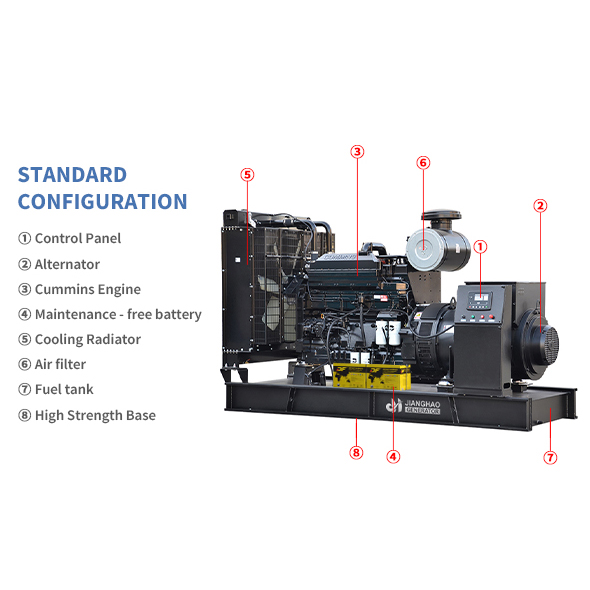 Cummins Series Diesel Generator Sets with High-Blend ApprovalCummins-powered sets range from 20 to 2063 kVA with options for open, silent, containerized, or trailer mounting. Relevant for selecting an engine with documented biodiesel blend approvals.View Product →
What Changes When the Genset Runs on Biodiesel
Biodiesel contains roughly 8-10 percent less energy per litre than petroleum diesel. At B20, that costs about 2 percent of rated output and a small fuel-consumption penalty, which is usually invisible in real operation. At B100, expect a 5-10 percent derate at rated kilovolt-amperes unless the set was specified with that margin built in.
Operational differences you should plan for
- Filter loading — biodiesel acts as a solvent and loosens deposits from tanks and fuel lines. Plan for plugged filters in the first 100 hours after switching, and carry spares.
- Oil dilution — some fuel reaches the crankcase, especially in sets that cycle on and off. Shorten oil service intervals or run oil analysis until behaviour stabilises.
- Cold behaviour — B20 behaves close to diesel in most winter conditions; B100 can cloud and gel near 0 °C. High blends need fuel heaters or winter-grade blends.
- Seal compatibility — Viton and PTFE are safe at B100; natural rubber and older nitrile hoses are not, and should be replaced for high-blend service.
One pleasant surprise is lubricity. Biodiesel lubricates injection pumps and injectors far better than low-sulfur diesel, which is why older engines often feel quieter and smoother on it.
B20 or B100: The Practical Decision
For most operators, B20 is the sweet spot. It requires no hardware changes, keeps OEM approvals in place, lowers particulate and carbon monoxide emissions, and costs only a little fuel economy. B100 is a real commitment: upgraded elastomers, fuel heating in cold regions, shorter storage life, more frequent filter and oil changes, and a written approval from the engine manufacturer. If the goal is simply to run the generator on a renewable liquid without turning maintenance into a second job, specify B20 and spend the saved effort on fuel storage.
If the site truly needs a fossil-free liquid that behaves like diesel in every practical way, hydrotreated renewable diesel (HVO) is a separate fuel family worth discussing. It is not biodiesel, but many modern sets can switch to it with minimal changes.
Storage and Maintenance for Biodiesel-Fueled Sets
Standby sets are where biodiesel problems actually live. A backup generator may run twenty hours per year; the fuel sits in the tank for the other 8,700 hours. FAME biodiesel oxidizes, absorbs water and supports microbial growth faster than mineral diesel. Unstabilized B100 that sits for months can turn into varnish and sludge, and it will plug injectors at exactly the moment the set is asked to save the building.
Maintenance checklist for biodiesel-fueled generator sets
- Change fuel filters once, about 100 operating hours after the switch, then return to the normal schedule.
- Treat stored fuel with a stabilizer and biocide if the tank does not turn over regularly.
- Keep the tank full, sealed and dry; condensation is the first step toward microbial growth.
- Install heated fuel lines or a fuel pre-heater for high blends or cold sites.
- Run the set under load monthly to burn old fuel and keep the combustion chamber clean.
For sites with low fuel turnover, such as data centers, hospitals and telecom hubs, fuel polishing or scheduled fuel testing is not optional; it is the difference between standby power and a standby failure.
What to Specify When Ordering a Generator Set for Biodiesel
The cheapest moment to decide that a generator will run on biodiesel is before the set is built. State the blend, the fuel standard (ASTM D6751 or EN 14214), the coldest ambient temperature and the duty cycle, and a manufacturer can engineer the correct answer. These five decisions cover most of the risk:
- Engine selection: choose a model with written approval for the intended blend.
- Derating: for B100, publish a rating with service margin, or move to the next larger frame size.
- Fuel system: fit Viton seals, heated lines, a larger primary filter and a water separator.
- Tank design: use compatible materials, a sealed fill point and a fuel-polishing option.
- Maintenance plan: set service intervals based on biodiesel degradation, not diesel habits.
This is exactly the kind of configuration we handle in custom engine and fuel-system design — you do not retrofit the set to the fuel; you order the set around the fuel.
Because a fuel-related derate changes the power you actually receive, run the numbers before signing the order; our diesel generator set sizing guide shows how derates shift the selection.
For smaller agricultural and rural standbys, where biodiesel is often produced locally, a compact 8-100 kVA set engineered for high blends from day one is usually the most economical route.
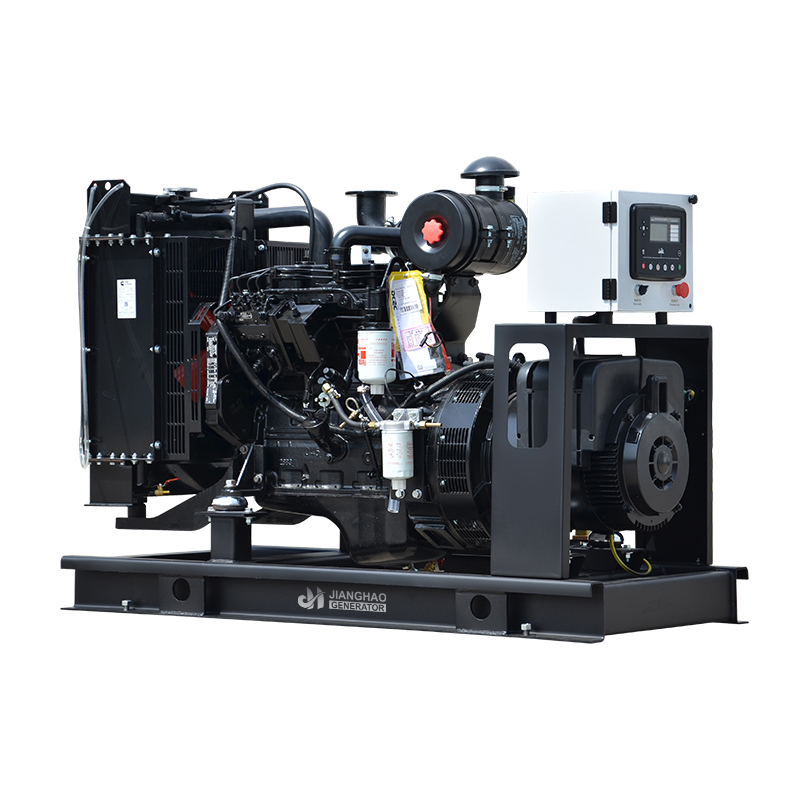 Compact 8-100 kVA Diesel Generator Set for Rural UseA small-capacity generator set available with Cummins, Perkins, Weichai, or Jianghao engines, designed for construction, remote areas, and small businesses. Suitable for local biodiesel applications.View Product →
So can diesel generators run on biodiesel? The honest answer is yes, with a specification sheet attached. Most modern sets handle B20 without modification; B100 works when the engine, seals, fuel heating, storage and maintenance are engineered for it. The sets that fail on biodiesel are almost never the fuel's fault. They are the ones where nobody specified what was coming through the pump.