 English
 русский
 Español
 عربى
عربىWhich Diesel Generator Set Size From 8 to 4000kVA Is Right for Your Power Needs?
Diesel Generator Sets From 8 to 4000kVA:
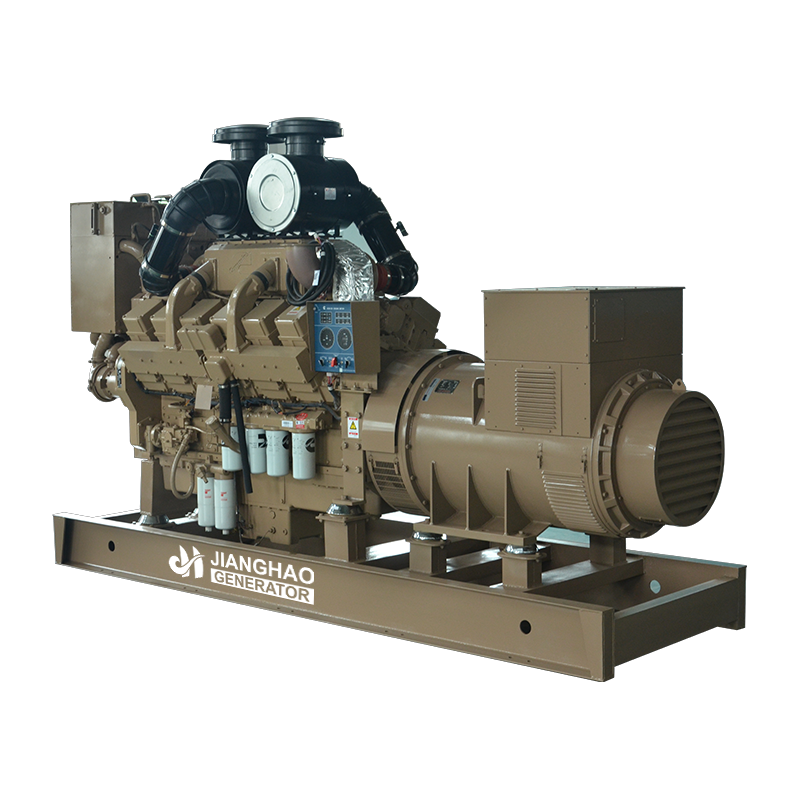
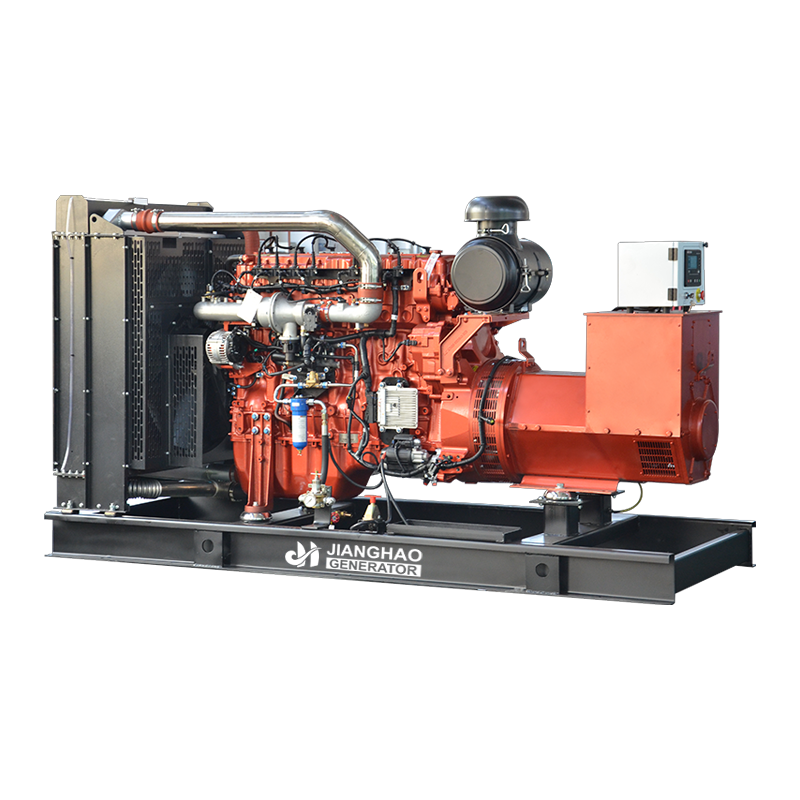
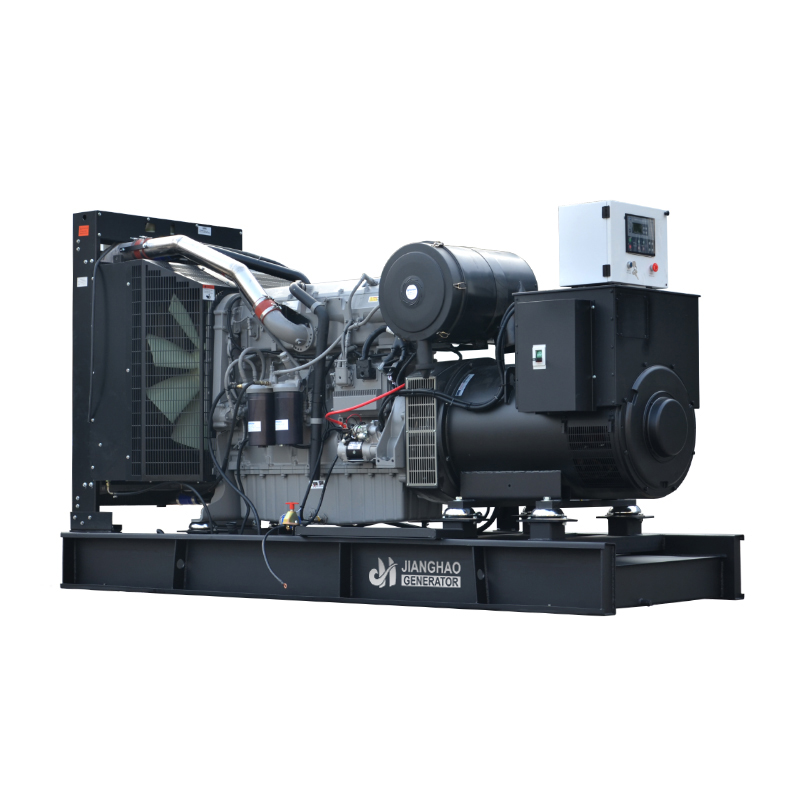
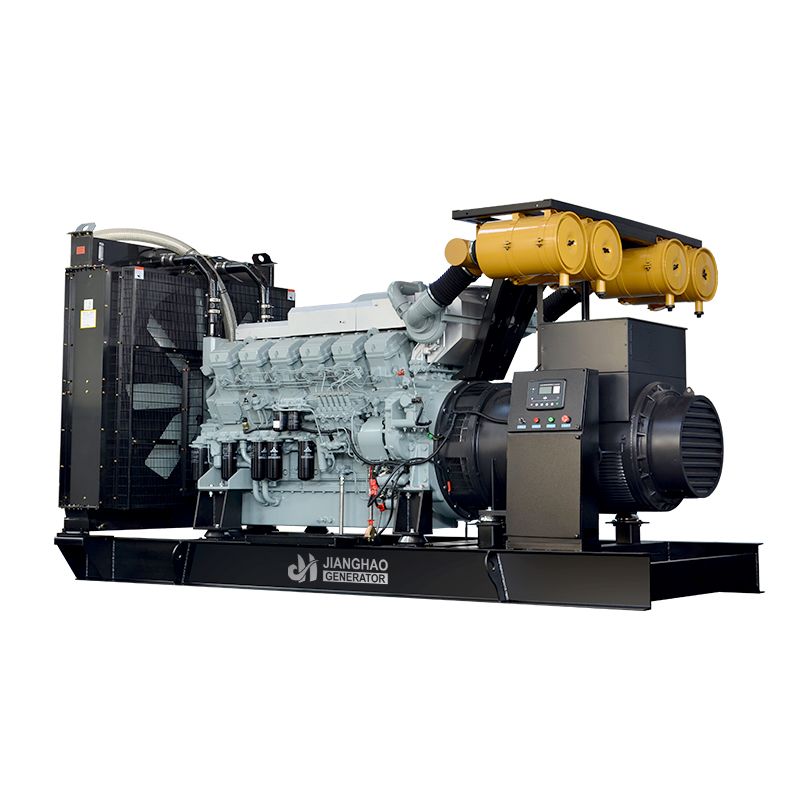
The right diesel generator set size depends on the total connected load it has to carry, but as a quick reference point: 8 to 100kVA Diesel Generator Sets suit homes, small shops, restaurants, telecom towers, and small construction sites; 100 to 300kVA Diesel Generator Sets suit hotels, schools, and mid sized commercial buildings; 300 to 1000kVA Diesel Generator Sets suit factories, data centers, and large commercial complexes; and 1000 to 4000kVA Diesel Generator Sets suit heavy industry, utility scale backup power, and large data center campuses. Matching the kVA rating to the actual connected load, with a margin of 20 to 25 percent added for motor starting current, is the single most important decision when choosing a diesel generator set.
| kVA Range | Approx kW Range at 0.8 PF | Typical Application | Common Engine Configuration |
|---|---|---|---|
| 8 to 100kVA | 6.4 to 80kW | Homes, small shops, restaurants, telecom towers, small construction sites | Three or four cylinder naturally aspirated or turbocharged diesel engines |
| 100 to 300kVA | 80 to 240kW | Hotels, schools, mid sized offices, secondary hospital wings, retail centers | Four to six cylinder turbocharged diesel engines |
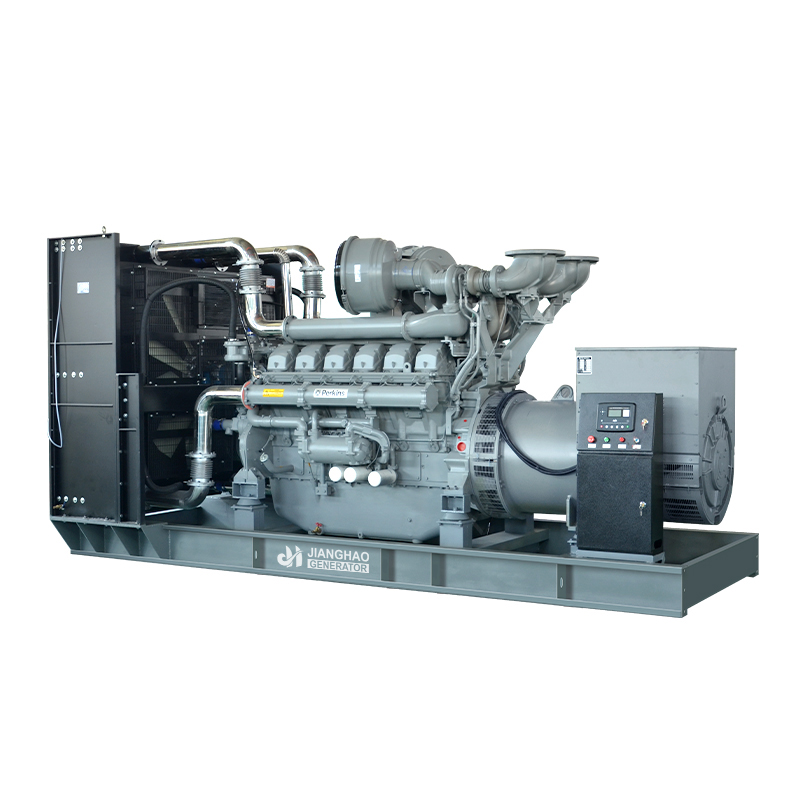
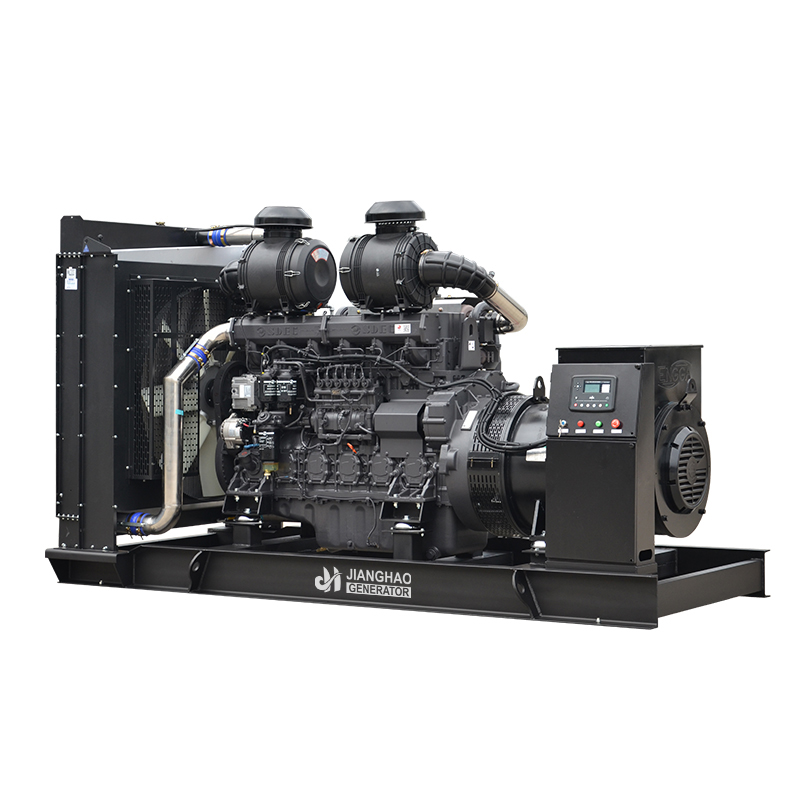
| 300 to 1000kVA | 240 to 800kW | Factories, data centers, shopping malls, primary hospital power, large offices | Six cylinder inline or V8 turbocharged and charge air cooled engines |
| 1000 to 4000kVA | 800 to 3200kW | Heavy industry, utility scale backup, large data center campuses, mining, marine and power plants | V12 to V20 engines, frequently installed as multiple paralleled sets |
The kW figures above use the common 0.8 power factor that most diesel generator sets are rated at, since kVA describes apparent power while kW describes the real power that actually drives motors, lighting, and electronics. A generator labeled 100kVA can therefore deliver about 80kW of usable power to a typical mixed load, and this conversion is the starting point for every sizing decision covered later in this guide. Buyers comparing quotes from different suppliers should also confirm whether the kVA figure quoted is a standby rating, intended for occasional backup duty, or a prime rating, intended for unlimited hours of variable load operation, since the same physical machine can carry two different numbers depending on which duty cycle it is certified against.
8 to 100kVA Diesel Generator Sets: Best Uses and Specifications
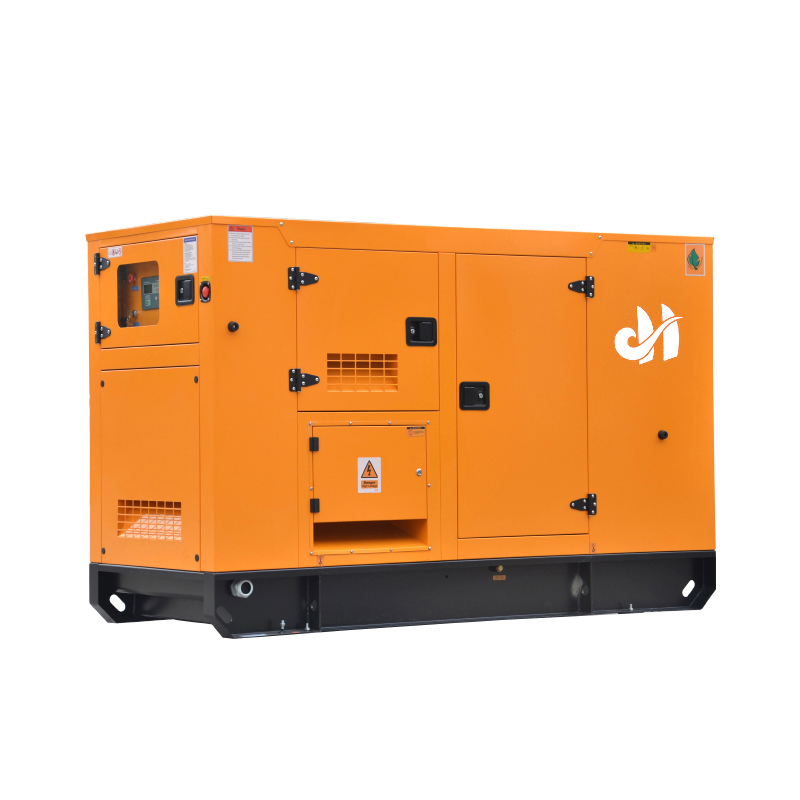
This is the entry range that covers most residential, small commercial, and light industrial backup needs. Typical buyers include homeowners protecting against utility outages, restaurants and small retail stores that cannot afford to lose refrigeration or point of sale systems, telecom companies powering remote cell towers, agricultural operations running irrigation pumps, and contractors needing portable power on a construction site. Many units in this range are available in either single phase or three phase output, and both open frame and sound attenuated canopy versions are common.
Generator sets at this size are compact enough to sit on a small concrete pad, a trailer chassis, or even a building rooftop in some installations. Integrated base fuel tanks typically hold between 60 and 200 liters, which usually provides somewhere between 8 and 14 hours of runtime at 75 percent load before refueling is needed. Most come standard with electric start using a 12 or 24 volt battery, and an optional automatic mains failure panel allows the unit to start itself and transfer the load within about 10 seconds of a utility outage.
| Rating | Approx kW Output | Fuel Use at 75% Load | Typical Use |
|---|---|---|---|
| 8kVA | 6.4kW | About 1.8 liters per hour | Single home or apartment backup |
| 20kVA | 16kW | About 4.5 liters per hour | Small shop or restaurant |
| 50kVA | 40kW | About 10.5 liters per hour | Office building or small warehouse |
| 100kVA | 80kW | About 19 liters per hour | Mid size retail center or apartment block |
Noise output in this range is usually the deciding factor between an open type frame and a silent canopy version. An open frame unit can run as loud as 85 to 95 decibels at one meter, which is too disruptive for most residential or commercial neighborhoods, while a silent canopy version typically brings noise down to roughly 65 to 72 decibels measured at 7 meters, a level close to normal conversation that most municipal noise codes allow during daytime hours.
100 to 300kVA Diesel Generator Sets: Best Uses and Specifications
This middle range steps up to serve buildings with a meaningfully larger electrical load, including hotels, schools, distribution warehouses, mid sized factories, shopping centers, and secondary wings of hospitals that do not require the highest tier of critical power redundancy. Almost every unit in this range is built for three phase output only, since the loads they serve, particularly HVAC chillers, elevators, and commercial kitchen equipment, draw three phase power as standard.
Base fuel tanks grow accordingly, commonly holding 300 to 1000 liters, and many installations add an external bulk tank to extend runtime to 24 hours or more without refueling. A sound attenuated canopy is standard equipment at this size rather than an optional upgrade, and noise output typically falls between 72 and 78 decibels at 7 meters because the larger engine and cooling fan generate more sound energy even with acoustic insulation fitted.
A 200kVA generator set running at 75 percent load draws roughly 160kW and consumes about 36 liters of diesel per hour, which works out to a fuel tank in the 600 to 800 liter range lasting close to 18 hours of continuous operation. An automatic transfer switch is almost always paired with units in this range, sensing a utility failure and transferring the building load to generator power within about 10 to 15 seconds, fast enough that most equipment never fully loses power.
Routine service at this size still follows the same 250 hour oil change interval as smaller units, but the larger cooling system, bigger radiator, and heavier exhaust silencer mean maintenance work generally requires two technicians rather than one, and lifting equipment is often needed to remove panels or service the alternator.
300 to 1000kVA Diesel Generator Sets: Best Uses and Specifications
Generator sets in this range are built for buildings and facilities where a power outage creates real financial or safety consequences. Typical applications include manufacturing plants, data centers, large shopping malls, primary hospital backup power, and high rise office towers. Because the connected load at this scale is often too large or too critical for a single point of failure, many installations use two or more units operating in parallel through synchronizing switchgear, giving the site N plus 1 redundancy so that one generator can fail or be taken offline for service without losing power.
Physical installation becomes a more serious undertaking at this size. Units typically require a dedicated concrete foundation engineered for the generator's weight and vibration, a crane for placement during installation, and either a weatherproof outdoor enclosure or a purpose built generator room with forced ventilation and a properly sized exhaust path. A 500kVA generator set running at 75 percent load draws about 400kW and burns close to 85 liters of diesel per hour, so bulk external fuel storage in the 1000 to 5000 liter range is standard, often paired with an automated fuel transfer pump that tops off the day tank from the bulk supply.
Sound attenuation options expand significantly in this range, from a standard canopy delivering around 75 to 82 decibels at 7 meters up to critical grade silencers and acoustic enclosures that can bring noise down closer to 65 decibels for sites near residential neighborhoods or hospitals where nighttime noise limits are strict.
1000 to 4000kVA Diesel Generator Sets: Best Uses and Specifications
At the top of the range sit the generator sets built for heavy industry, utility scale backup power, large data center campuses, mining operations, marine and offshore platforms, and power plants that use diesel generation to supplement or support the grid. Rather than a single 4000kVA machine, most projects at this scale combine several 1000kVA or 2000kVA units through paralleling switchgear, since multiple smaller units offer better redundancy, easier transport to remote sites, and the flexibility to run only as many units as the current load requires.
Engines this large, often V12, V16, or V20 configurations, require dedicated generator buildings with substantial ventilation and exhaust infrastructure, seismic or vibration isolation mounts, and fuel storage that scales into the tens of thousands of liters. A 2000kVA generator set running at 75 percent load draws roughly 1600kW and consumes close to 310 liters of diesel per hour, meaning a facility planning 24 hours of autonomous runtime needs more than 7000 liters of stored fuel for that single unit alone.
Maintenance at this scale shifts from simple scheduled service to full maintenance contracts with the manufacturer or an authorized dealer, including major overhauls typically scheduled every 12000 to 20000 running hours. Lead times for new units in this range commonly run from several months to over a year, since engines, alternators, and switchgear are frequently built or finished to order rather than kept in standard inventory.
How to Calculate the Right kVA Size for Your Load
Sizing a diesel generator set correctly comes down to a fairly simple sequence of calculations, though the details matter enough that an undersized unit can stall or shut down the moment a large motor tries to start.
- List every load the generator must support in kW, including lighting, HVAC equipment, motors, pumps, refrigeration compressors, and IT equipment, then add those figures together to get the total connected load
- Convert that kW total to kVA by dividing by the power factor, commonly 0.8 for a typical mixed commercial load, since kVA is what the generator nameplate is rated in
- Identify any large motors or compressors in the load list, since these draw a starting current that can run 3 to 6 times higher than their normal running current for a few seconds when they switch on
- Add a safety margin of 20 to 25 percent on top of the calculated kVA figure to absorb that motor starting surge without the generator voltage dipping enough to trip protective relays or stall the engine
- Round up to the nearest standard kVA rating that manufacturers actually produce, since custom in between sizes typically cost more and take longer to source than a standard catalog unit
- For critical applications, plan for at least 25 percent spare capacity beyond current needs so the generator set can support future load growth without a full replacement
As a worked example, a small office with 40kW of connected load and a 0.8 power factor needs about 50kVA of continuous capacity on paper. If that office runs a rooftop air conditioning compressor with a high starting current, the generator selected might jump to 60 or 75kVA rather than the bare minimum, simply so the inrush from the compressor starting does not pull the voltage down far enough to disrupt computers and lighting on the same circuit.
Fuel Consumption and Running Costs Across Generator Sizes
Fuel consumption scales with both the kVA rating and the load percentage the generator is actually carrying, and understanding that relationship is the key to estimating realistic running costs before a generator set is ever installed.
| Representative Rating | 50% Load | 75% Load | 100% Load |
|---|---|---|---|
| 20kVA | 3.0 L/hr | 4.5 L/hr | 6.0 L/hr |
| 200kVA | 26 L/hr | 36 L/hr | 47 L/hr |
| 500kVA | 60 L/hr | 85 L/hr | 110 L/hr |
| 2000kVA | 230 L/hr | 310 L/hr | 400 L/hr |
Multiplying the relevant fuel use figure by the local diesel price and the expected number of operating hours gives a workable running cost estimate for budgeting purposes, whether that is occasional backup power during outages or daily prime power operation at a remote site.
Running a diesel generator set well below its rated capacity for extended periods causes its own problem known as wet stacking, where incomplete combustion at low load leaves unburned fuel and carbon deposits inside the exhaust system, cylinders, and turbocharger. This buildup reduces efficiency and can eventually damage the engine. Most manufacturers recommend operating a diesel generator set at no less than 40 to 60 percent of its rated load whenever possible, and sites that only ever see light loads often choose a smaller generator set specifically to avoid this issue rather than oversizing for a load that rarely materializes.
Key Components and Features to Compare Before Buying
Every diesel generator set is built from the same core group of components, but the brand, grade, and configuration of each one has a real effect on reliability, service cost, and how easily a unit can be repaired years down the line.
- Diesel engine, the core power source, typically sourced from established manufacturers whose parts and trained technicians are widely available
- Alternator, which converts the engine's mechanical rotation into electrical output and should be matched to the engine's power curve rather than simply the largest one that fits
- Control panel, ranging from a basic manual start panel up to an automatic mains failure panel with remote monitoring and programmable start sequences
- Automatic transfer switch, the device that detects a utility failure and switches the building load over to generator power without manual intervention
- Canopy or enclosure, which determines noise output, weather resistance, and how easily technicians can access the engine for routine service
- Fuel system, including the base tank, any external bulk tank, fuel transfer pumps, and filtration that keeps water and sediment out of the injectors
- Cooling system, sized for the climate the generator will operate in, since units installed in hot regions often need a larger radiator and fan than the same model sold for a temperate climate
| kVA Range | Common Engine Brands | Common Alternator Brands |
|---|---|---|
| 8 to 100kVA | Kubota, Perkins, Yanmar, Cummins | Stamford, Mecc Alte, Leroy Somer |
| 100 to 300kVA | Perkins, Cummins, Volvo Penta | Stamford, Leroy Somer |
| 300 to 1000kVA | Cummins, Perkins, Volvo Penta, Caterpillar | Stamford, Leroy Somer |
| 1000 to 4000kVA | Caterpillar, MTU, Cummins | Leroy Somer, Stamford, AvK |
For any size, it is worth asking the supplier which emissions standard the engine is certified to, since regions with strict air quality rules increasingly require a specific Tier or Stage emissions rating before a permanent installation permit will be approved.
Standby, Prime, and Continuous Power Ratings Explained
A single physical generator set is often sold under two or three different kVA numbers depending on the duty cycle it is certified for, and confusing these ratings is one of the most common mistakes buyers make. The same engine and alternator that carries a 300kVA standby rating may only be rated for 270kVA on a prime power basis, so the first question to ask any supplier is which rating their quoted kVA figure actually refers to.
Standby rated generator sets are built for emergency backup duty, supplying power only during a utility outage and typically limited to around 200 to 500 running hours per year. Because the engine spends most of its life idle, manufacturers allow it to run closer to its mechanical limit without an overload allowance, since the short duty cycle reduces long term wear. Prime rated units are built for variable, unlimited hour use at sites without a reliable utility connection, and they include a 10 percent overload allowance for up to 1 hour in any 12 hour period to absorb load spikes. Continuous rated units supply a constant, unchanging base load for unlimited hours with no overload capacity at all, and they are sized with the most conservative margin of the three ratings since they are expected to run nonstop for years.
| Rating Type | Typical Annual Hours | Overload Allowance | Typical Application |
|---|---|---|---|
| Standby | 200 to 500 hours | None | Emergency backup during utility outages |
| Prime | Unlimited, variable load | 10% for 1 hour in 12 | Remote sites without reliable utility power |
| Continuous | Unlimited, constant load | None | Base load power plants, continuous industrial processes |
For occasional backup at a home, shop, or office, the standby rating is the relevant figure, and the 8 to 100kVA, 100 to 300kVA, 300 to 1000kVA, and 1000 to 4000kVA Diesel Generator Sets ranges discussed throughout this guide are most commonly quoted on a standby basis. For a remote facility or industrial site running the generator as its primary source of power for unlimited hours, always confirm the prime rating before sizing, since relying on a standby figure for full time operation will shorten the engine's working life considerably and may void the manufacturer warranty.
Installation, Noise, and Maintenance Considerations by Generator Size
Siting a diesel generator set involves more than finding a flat patch of ground. Most manufacturers specify a minimum clearance of 1 to 1.5 meters around the unit for airflow and service access, and the exhaust outlet needs to be routed away from windows, fresh air intakes, and neighboring property to avoid both noise and fume complaints. Larger units in the 300kVA and above range typically require a permitted concrete foundation engineered specifically for the generator's weight and vibration characteristics.
Noise mitigation generally falls into three tiers across all four size ranges: a standard canopy that brings noise down to a level suitable for industrial sites, a super silent canopy with additional acoustic lining for commercial and mixed use areas, and a critical grade enclosure with a residential rated exhaust silencer for installations near homes or hospitals where nighttime noise limits are strict.
| Service Interval | Typical Tasks |
|---|---|
| 250 hours | Engine oil and oil filter change, battery check, visual inspection |
| 500 hours | Fuel filter and air filter replacement, coolant check, belt inspection |
| 1000 hours | Valve clearance check, injector inspection, load bank test |
| 2000 to 3000 hours | Major service, turbocharger inspection, alternator bearing check |
Generator sets used only for occasional backup power still need exercise runs, typically a 30 minute run under load every month, to keep the engine, battery, and fuel system in working order so the unit is actually ready the moment a real outage occurs. A load bank test, where the generator is connected to a temporary resistive load and run at or near full rated capacity, is the only reliable way to confirm a backup unit will perform as expected during an emergency rather than discovering a problem during the outage itself.
Putting It All Together: A Quick Selection Checklist
Every decision covered in this guide reduces to a short sequence that takes a buyer from an unclear power requirement to a correctly specified diesel generator set.
- Total the connected load in kW, convert it to kVA using a 0.8 power factor, and add 20 to 25 percent for motor starting current to get the target generator rating
- Match that target rating to the appropriate range, choosing 8 to 100kVA Diesel Generator Sets for residential or small commercial loads, 100 to 300kVA Diesel Generator Sets for mid sized buildings, 300 to 1000kVA Diesel Generator Sets for large commercial or industrial sites, and 1000 to 4000kVA Diesel Generator Sets for heavy industry or utility scale needs
- Decide whether a single unit or multiple paralleled units better suits the site, factoring in redundancy requirements and the practicality of transporting and installing very large single units
- Confirm fuel tank size and runtime needs against expected outage duration or, for prime power applications, daily operating hours
- Select a canopy and silencer grade based on the site's proximity to homes, hospitals, or other noise sensitive neighbors
- Set up a maintenance plan that matches the service intervals in this guide, including monthly exercise runs and periodic load bank testing for any unit kept primarily for backup power
The direct answer from the first section still holds after every detail in between: pick 8 to 100kVA for homes and small businesses, 100 to 300kVA for mid sized commercial buildings, 300 to 1000kVA for large commercial and industrial sites, and 1000 to 4000kVA for heavy industry and utility scale power, then size the exact rating using the connected load calculation and motor starting margin covered above.
Frequently Asked Questions
What is the difference between kVA and kW for a diesel generator set?
kVA measures apparent power, the total electrical capacity a generator can supply, while kW measures real power, the portion that actually does useful work in motors, lighting, and electronics. Most diesel generator sets are rated at a 0.8 power factor, so a 100kVA unit delivers about 80kW of usable real power to a typical mixed load.
How many liters of diesel does a 100kVA generator use per hour?
A 100kVA generator set running at 75 percent load typically consumes around 19 liters of diesel per hour. Fuel use drops at lower load and rises toward full capacity, which is why matching a generator's size closely to the actual load saves on running costs over time.
What size generator do I need for a typical home?
Most homes need somewhere between 8 and 20kVA depending on whether the goal is powering essential circuits only or running the entire house, including central air conditioning. Adding up the wattage of major appliances and the home's HVAC system, converting to kVA, and adding a margin for compressor starting current gives an accurate target.
How long can a diesel generator set run continuously?
Industrial diesel generator sets designed for prime power use are built to run continuously for extended periods, often thousands of hours between major overhauls, as long as fuel supply and scheduled maintenance keep pace. Units intended only for emergency backup are typically rated for shorter continuous runs and should not be used as a primary power source long term. A standby rated unit pushed into full time service will generally wear out its engine components far sooner than a properly specified prime or continuous rated machine, even if the kVA number on the nameplate looks the same.
Why do larger generator sets often run in parallel instead of using one big unit?
Paralleling smaller units gives a site built in redundancy, since one generator can be taken offline for service or repair while the others continue covering the load. It also allows a facility to run only as many units as the current demand requires, improving fuel efficiency compared to one oversized machine running well below its rated capacity.
How often should a diesel generator set be serviced?
Routine oil and filter changes are generally needed every 250 hours of operation, with deeper service items like fuel filters and coolant checks every 500 hours, valve and injector inspection around 1000 hours, and a major overhaul scheduled somewhere between 2000 and 20000 hours depending on the size and grade of the engine.
What is wet stacking and how can it be avoided?
Wet stacking happens when a diesel engine runs at too low a load for too long, leaving unburned fuel and carbon deposits in the exhaust and cylinders. It is avoided by sizing the generator closer to the expected load, running periodic load bank tests, and operating the unit at no less than 40 to 60 percent of its rated capacity whenever possible.
Do I need an automatic transfer switch with my generator?
An automatic transfer switch is strongly recommended for any backup application, since it detects a utility outage and switches the building load to generator power automatically, usually within 10 to 15 seconds, without anyone needing to be on site. It also switches the load back to utility power automatically once service is restored.
How much clearance space does a generator set need around it?
Most manufacturers recommend at least 1 to 1.5 meters of clearance on all sides for airflow and service access, with additional space allowed for the exhaust path to vent safely away from windows, doors, and air intakes. Larger units in the 300kVA and above range often need additional clearance to accommodate crane access during installation or major service.
Can a single phase load run from a three phase generator set?
Yes, a three phase generator set can supply single phase loads as long as the loads are balanced reasonably evenly across the three phases, since an uneven split can cause voltage imbalance that stresses the alternator and some sensitive electronic equipment over time.