 English
 русский
 Español
 عربى
عربىHow Long Does a Diesel Generator Last? Lifespan and Continuous Runtime
If you are specifying backup power for a data center, planning a mining camp, or simply trying to understand why your worksite generator seems to age faster than it should, you won't find a single universal answer. A well-maintained industrial diesel generator set can deliver 10,000 to 30,000 operating hours before a major overhaul, which in calendar terms often stretches into 20 to 25 years for an emergency standby duty. Continuous runtime is a separate matter: some prime-power units are engineered to run for hundreds of hours, while small portable sets are limited to a day or two before they need a cool-down period and service.
This article separates the two questions that buyers actually ask: “How many total hours will the generator last?” and “How long can it run non-stop?” We’ll also look at the factors that move both numbers, and what you can do during procurement and operation to protect your investment.
Two Different Numbers: Service Life vs. Continuous Runtime
The most common point of confusion is mixing lifespan with runtime. Lifespan is the cumulative number of operating hours the engine and alternator can deliver before major components wear beyond acceptable tolerances. Continuous runtime, on the other hand, is how long a generator can operate without stopping between scheduled maintenance intervals. These two figures can differ by an order of magnitude.
For example, a 500 kVA prime-power generator with a custom fuel supply might run for 500 hours straight, but its total service life could still be 20,000 hours if it is serviced properly. Conversely, a portable generator used for occasional construction work may only reach 2,000–3,000 total hours, even though it can technically run for 8–12 hours per outing.
Why the Distinction Matters in Purchasing
When evaluating a genset, you need to know its rated duty class: standby, prime power, or continuous. A standby unit is intended for limited emergency operation, usually below 100–200 hours per year. A prime-power unit can handle variable loads for extended periods, including grid-independent operation. Continuous-duty units are designed to run at full load indefinitely, but that places far greater stress on the engine and requires stricter maintenance.
Knowing the duty class helps you set realistic expectations for both total life and non-stop operation. It also prevents the common error of using a standby-rated genset as a primary power source, which can reduce service life to a fraction of the nameplate rating.
Typical Lifespan of a Diesel Generator by Duty Type
Industry data repeatedly points to a useful band: most industrial diesel generator sets last between 10,000 and 30,000 hours, with well-cared-for units reaching 40,000 hours. But the spread is wide because duty type changes the calculation.
| Duty Type | Typical Total Lifespan | Typical Continuous Runtime | Common Applications |
|---|---|---|---|
| Portable / Construction | 2,000 – 3,000 hours | 6 – 12 hours | Small tools, site lighting, occasional events |
| Standby / Residential | 10,000 – 25,000 hours | 8 – 24 hours | Home backup, small business, telecom sites |
| Prime Power / Industrial | 10,000 – 30,000 hours | Up to 500 hours | Mines, factories, remote construction camps |
| Continuous Duty | 20,000 – 40,000 hours | Months if supported by fuel & service | Base-load power, large facilities, data centers |
These ranges reflect what an average operator can expect under normal maintenance. A poor fuel supply, high ambient temperature, or repeated overloads will push the numbers down. A disciplined maintenance program, load bank testing, and proper sizing can push them up.
For buyers looking at a specific product, it is worth checking how the manufacturer defines the duty rating. Some generators labeled “standby” are actually capable of prime-power output with only a minor change in the controller settings, but that change affects the warranty and service intervals.
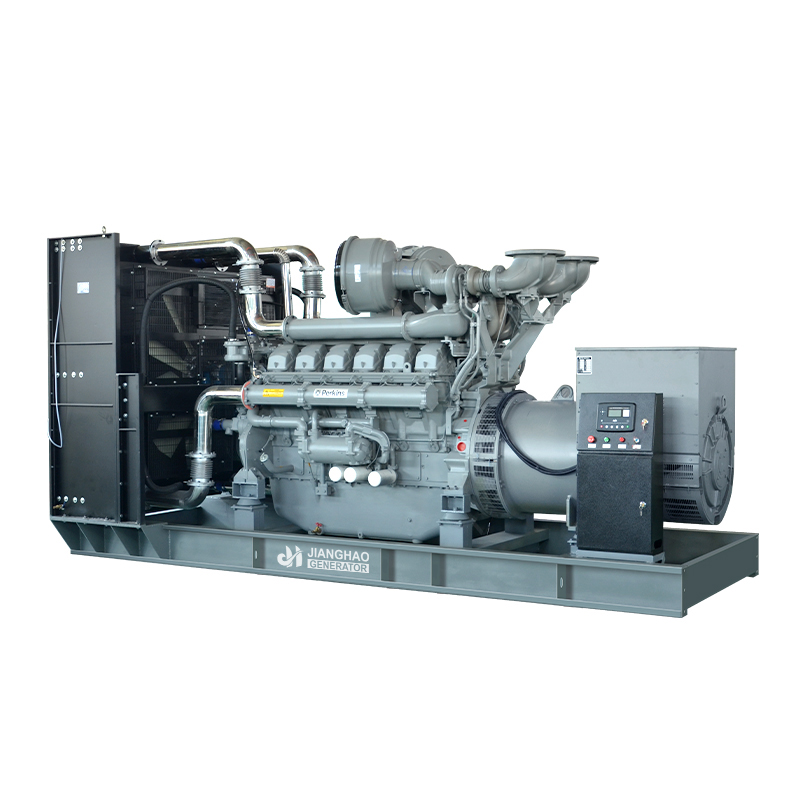
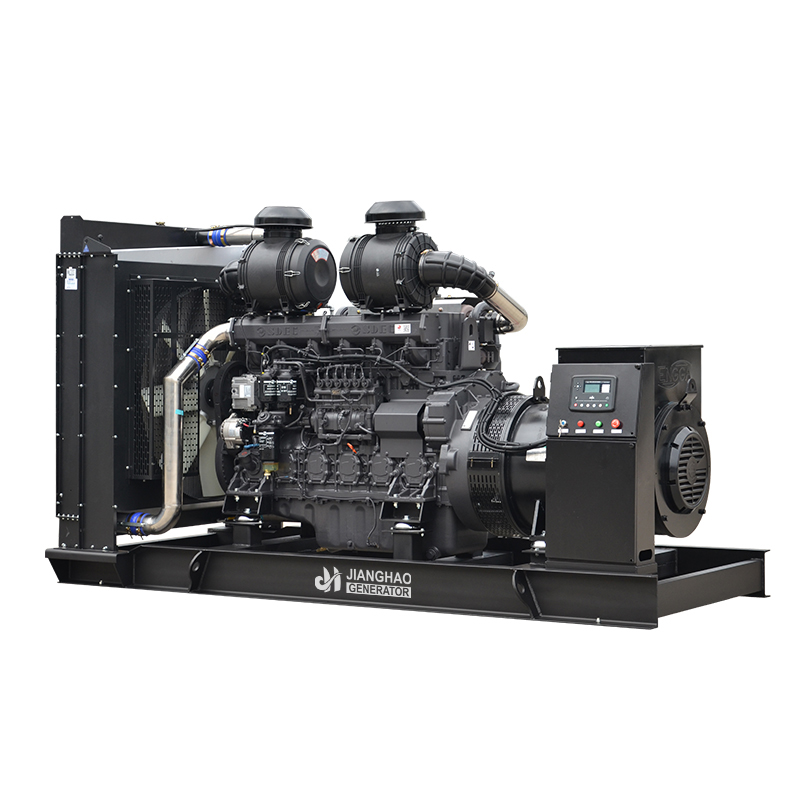
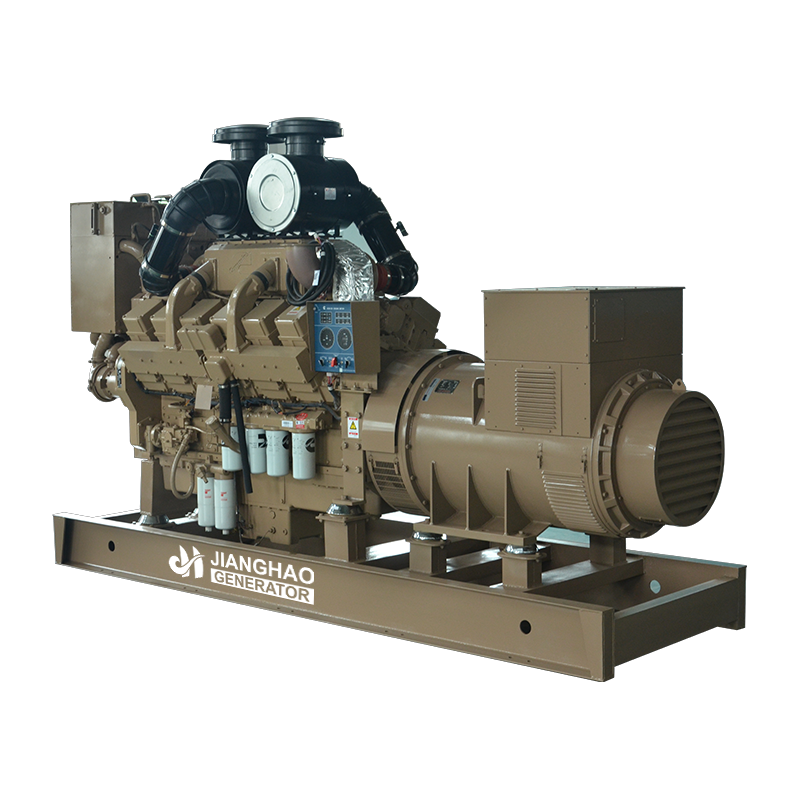
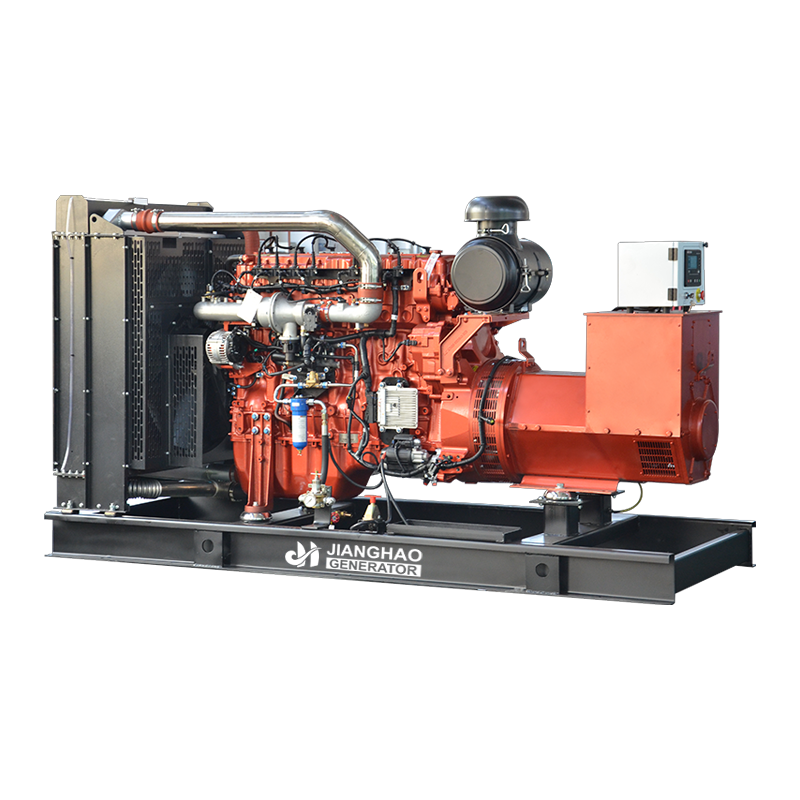
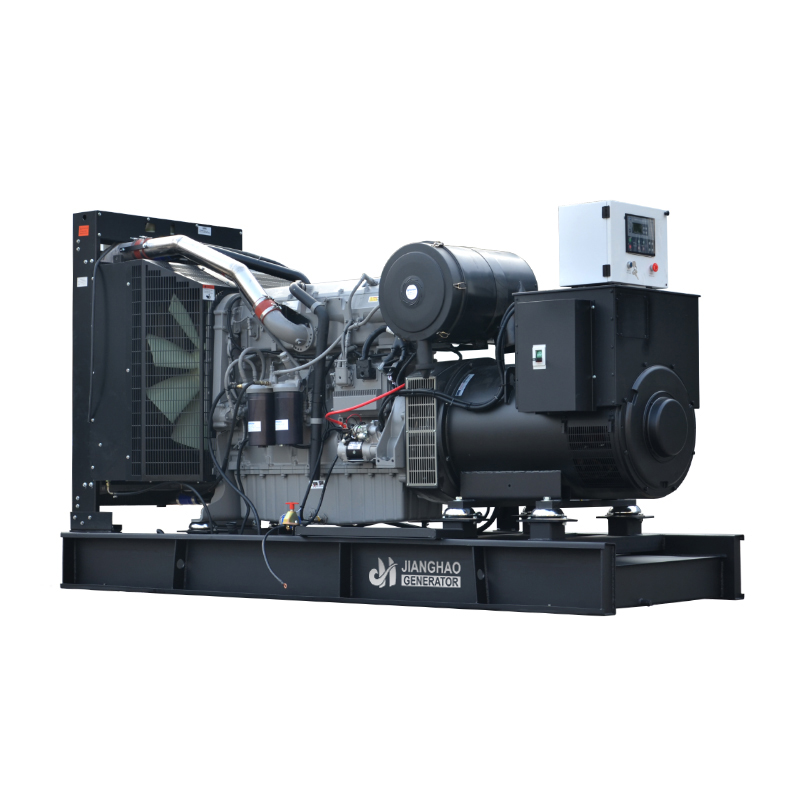
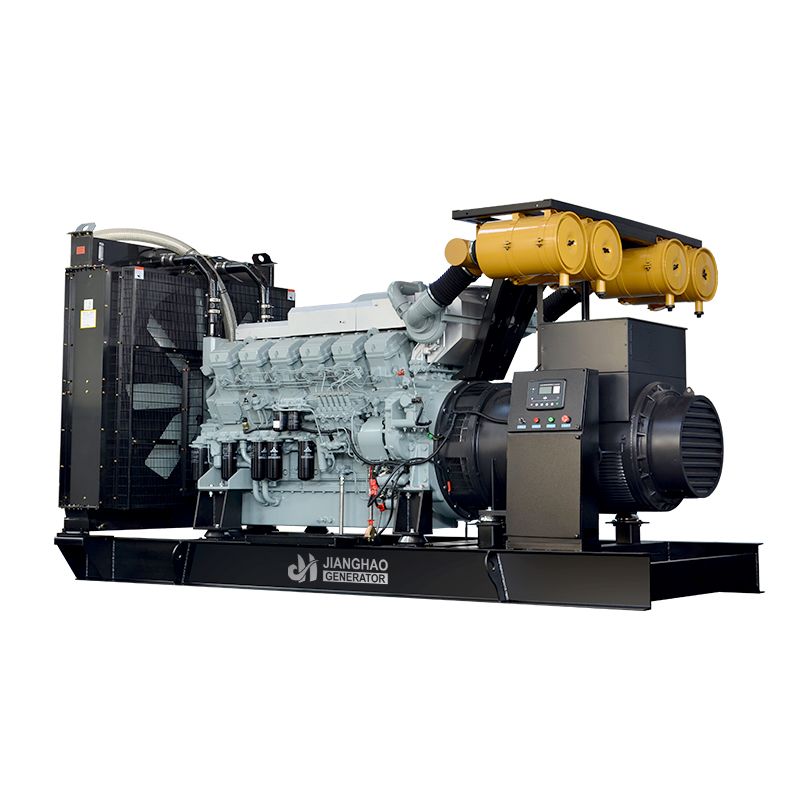
 Diesel Gensets from Jianghao with 3–3000 kW RangeThis generator set manufacturer offers a wide power range and multiple enclosure types, including silent and containerized units. The page highlights brand engines and export experience, useful when comparing duty ratings and long-term reliability.View Product →
Key Factors That Decide How Long a Diesel Generator Lasts
No matter how robust the engine is, four to five variables dominate the outcome. You can use these as a checklist before you buy and after you install.
Maintenance Quality
Regular oil changes, new fuel filters, coolant checks, valve adjustments, and belt inspections are the first line of defense. A generator that skips service intervals may not show symptoms immediately, but the parts wear rates increase quickly. Many premature failures we see in industrial settings trace back to oxidation in the oil, a clogged fuel filter, or an engine running hot because the cooling fan belt was worn.
Load Profile and Wet Stacking
A diesel engine is not fond of prolonged light-load running. Operating below 30% of rated load causes incomplete combustion, which leads to carbon buildup, cylinder glazing, and turbocharger problems. This condition, called wet stacking, actively shortens the life of an engine. Load bank testing is the standard way to burn off accumulated deposits and verify that the set can reach its nameplate output.
Sizing and Overload
An undersized generator will be overloaded repeatedly, causing overheating and accelerated wear. An oversized generator that always runs at light load will suffer from wet stacking and poor fuel economy. Correct sizing is not just about the total wattage; it also considers starting loads, harmonic content from electronic equipment, and possible future expansion. If you need more capacity later, a generator parallel system may be a better path than replacing the entire set.
Operating Environment
Extreme heat, cold, dust, salt air, and humidity all affect component life. In cold regions the engine needs proper block heaters and winter-grade fuel, while in dusty environments the air cleaner must be serviced more often. A generator installed in a clean, ventilated room typically lasts years longer than an identical unit placed in an open factory floor full of abrasive particles.
Engine and Alternator Quality
The brand and build standard of the engine, alternator, and controller set the ceiling on what maintenance can achieve. Genuine parts from established suppliers tend to hold tolerances longer. In the same power range, a generator using a heavy-duty industrial engine will outlast a lightweight automotive-derived engine by a significant margin, all else being equal.
How Long Can a Diesel Generator Run Without Stopping?
The answer to the literal question “how long does a diesel generator last on a single run” depends on the generator’s cooling capacity, fuel tank size, and the service interval allowed by the manufacturer.
Fuel Tank Capacity and Consumption
A small portable generator with a 20-gallon tank and a 10 kW load may run out of fuel in 8 to 12 hours. A large prime-power set with a day tank and a separate bulk fuel supply can run for hundreds of hours if you keep the fuel coming. The real limit is never just the fuel tank; it is the engine’s ability to shed heat and the quality of the oil.
Cooling System Type
Generator sets may be air-cooled or water-cooled. Air-cooled units are simpler but run at higher temperatures and are less suitable for continuous operation. Water-cooled industrial sets, especially those with radiator-mounted or remote cooling systems, can handle sustained loads far better and are the usual choice for prime-power and continuous-duty applications.
Oil Change and Service Intervals
When an engine runs continuously, the oil degrades faster because the engine sees more total revolutions per day. Standard service schedules for prime-power generators often specify an oil change every 250–500 hours, but for non-stop running some operators use oil analysis to extend or shorten that interval. The practical ceiling for a non-stop run is typically set by the oil change interval and the drive belt or fan maintenance, not by the engine itself. A well-prepared prime-power genset can operate for several weeks at a stretch, but the actual figure varies with load and ambient conditions.
For standby generators, most manufacturers suggest not exceeding 24 to 48 hours of continuous operation without a cool-down break. If you need uninterrupted uptime, the safer architecture is two generator sets working in parallel, so one can be shut down for service while the other carries the load. We provide custom power system design along these lines for facilities that cannot tolerate downtime.
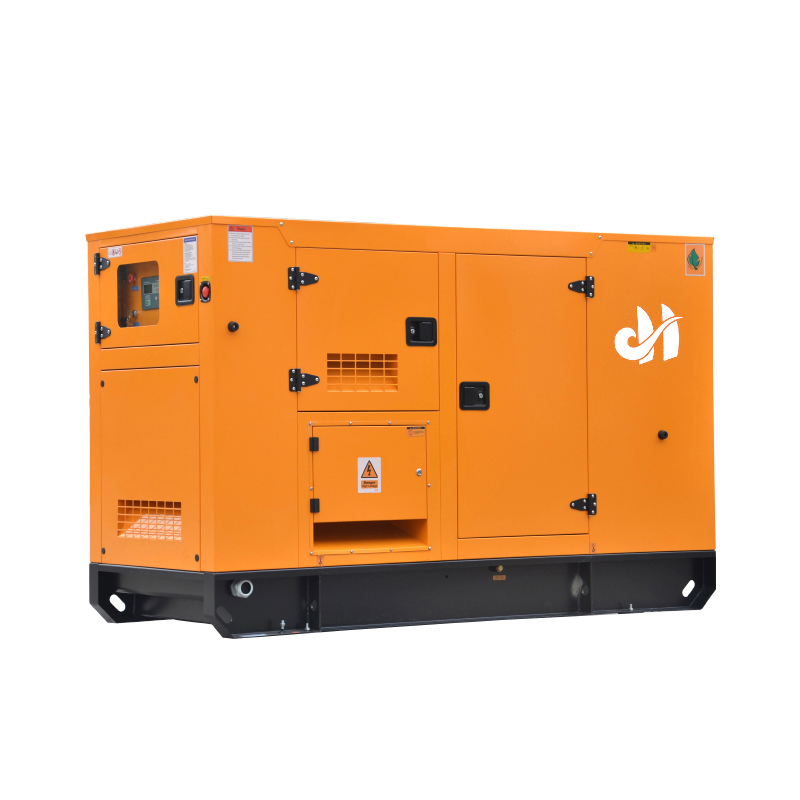
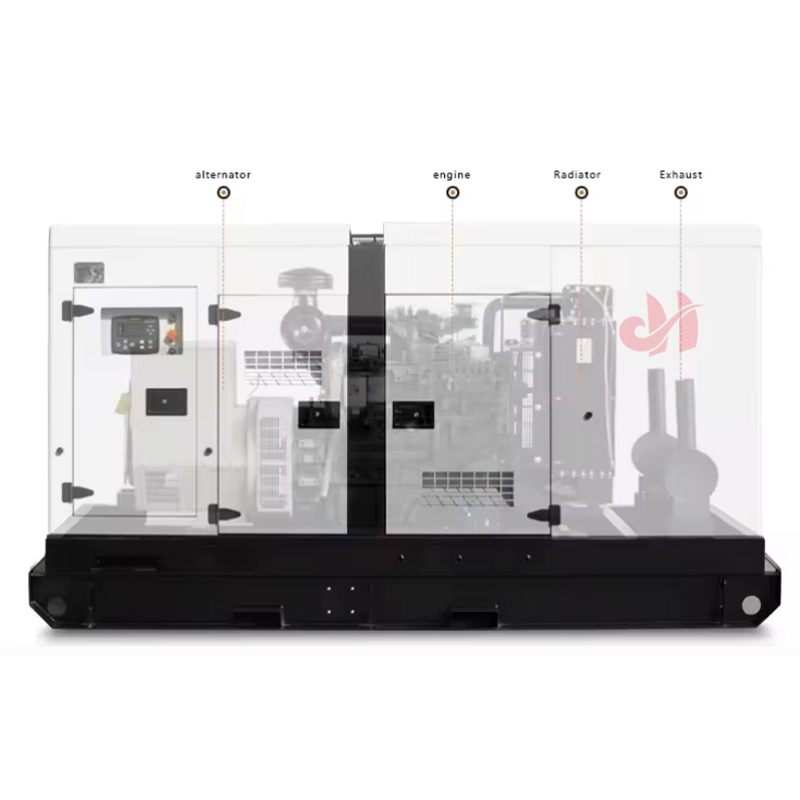 Jianghao Silent Gensets with Soundproof EnclosureThese low-noise generator sets are built with a sealed steel enclosure and multi-layer soundproofing, making them suitable for noise-sensitive sites. Pairing them in parallel can support continuous uptime while enabling service pauses, as the surrounding text suggests.View Product →
How to Extend the Life of Your Diesel Generator
You can significantly raise both the total lifespan and the length of a continuous run by following a few proven practices. These are not theoretical suggestions; they are the same procedures that let industrial operators get 30,000 to 40,000 hours from a diesel genset.
- Follow the manufacturer's service schedule exactly, and document every oil, filter, and coolant change.
- Use high-quality engine oil with the correct API rating for your engine; don’t mix brands or extend intervals without oil analysis.
- Test the generator under load at least once a month, preferably with a load bank, to prevent wet stacking and confirm output capability.
- Keep the generator room clean and ventilated; repair coolant leaks immediately and replace worn belts before they snap.
- Monitor fuel quality and add biocide if the tank is stored for long periods, especially in humid climates.
- Inspect the alternator and controller connections annually; loose terminals create voltage losses that stress the whole system.
- For cold climates, install block and battery heaters so the unit starts reliably and reaches stable operating temperature quickly.
One point often overlooked is the starter battery. A weak battery and corroded connections are responsible for a large share of “generator fails to start” complaints. Keeping the battery charged, testing it regularly, and changing it every two to three years is a low-cost way to protect a high-value asset.
In summary, a diesel generator lasts between 10,000 and 30,000 hours in cumulative terms, and careful operators can stretch that figure to 40,000 hours. The continuous runtime for a single, unbroken session is much shorter: typically 6 to 24 hours for standby units, hundreds of hours for prime-power sets, and even longer for well-designed continuous-duty installations with adequate fuel and cooling.
When you plan a purchase, start by defining your duty cycle and load profile rather than simply looking at the price per kilowatt. Then select a generator with a conservative rating that matches your environment and maintenance capability. A reliable industrial generator set should be considered a long-term partnership between the manufacturer and the operator; the best units are backed by clear technical specifications, honest rating labels, and accessible engineering support.
If you are evaluating options for a new or replacement set, use these numbers as a baseline. Choose a generator whose duty rating aligns with your actual operating hours, keep it under load periodically, and treat service intervals as fixed engineering requirements rather than suggestions. That combination is what turns an average lifespan into a maximum one.