 English
 русский
 Español
 عربى
عربىDo Diesel Generators Use DEF? Complete Buyer's Guide to Emissions and SCR
When you sit down with a specification sheet for a modern diesel generator set, the words "DEF tank," "dosing module," and "SCR catalyst" can turn a simple equipment purchase into an exercise in emissions engineering. The direct answer to the question do diesel generators use DEF? is yes for compliant new machines and no for older or smaller ones. Any genset built to the US EPA Tier 4 Final standard for non-emergency stationary engines above roughly 56 kW (75 hp) uses Diesel Exhaust Fluid as part of its exhaust aftertreatment. A machine built to Tier 2 or Tier 3, or a unit small enough to stay below the regulated threshold, normally has no DEF system at all.
That difference matters beyond the spec sheet. DEF affects fuel logistics, maintenance routines, controller requirements, and the physical layout of the generator room. Before you commit to a diesel generator set, it pays to understand what DEF is, why it is required, and what it costs you in daily operation.
The Tier Tells You Whether You Need DEF
Tier levels are the reason DEF exists. The US EPA phased in Tier 4 Final for stationary non-emergency diesel engines above roughly 56 kW (75 hp) starting in 2015, requiring a reduction in nitrogen oxides of about 90 percent compared with Tier 2. Selective catalytic reduction, or SCR, is the technology that makes that reduction possible, and SCR depends on a steady supply of DEF.
Smaller engines below the 75 hp line can still meet their emission limits with internal engine measures, which is why sub-threshold generators do not carry a DEF system. In the real market, however, the decision is not always aligned with the legal minimum. Hospitals, data centers, factories, and government facilities regularly specify Tier 4 Final engines even when a project exemption could apply, because air permits and corporate sustainability standards demand lower emissions.
| Standard | Typical model years | Uses DEF? | Typical aftertreatment |
|---|---|---|---|
| Tier 2 | 2002-2010 | No | Engine tuning only |
| Tier 3 | 2006-2015 | No | DOC, EGR |
| Tier 4 Final | 2015 onward | Yes | DOC plus SCR |
| EU Stage V | 2019 onward | Yes | DOC, DPF, SCR |
The practical takeaway: if you want a generator that is fully compliant with current US or EU emission rules for continuous duty, plan on DEF from the start.
What Is DEF and How Does the SCR System Work?
Diesel Exhaust Fluid is a precisely mixed solution of 32.5 percent automotive-grade urea and 67.5 percent deionized water, standardized worldwide under ISO 22241 and sold under the name AUS32. It is not a fuel additive. It is stored in its own tank, pumped through its own lines, and injected directly into the exhaust stream.
An SCR system doses DEF as a fine spray into the hot exhaust ahead of the catalyst. The heat decomposes the urea into ammonia, and the ammonia reacts with nitrogen oxides inside the catalyst to form nitrogen gas and water vapor. An electronic control module continuously calculates the right dose from exhaust temperature, engine load, and NOx readings, which is why DEF consumption rises and falls with electrical load.
Because the dosing nozzle sits directly in hot exhaust, a small amount of crystallized residue after shutdown is normal. Well-designed systems purge the line or burn off residue at the next startup, so the maintenance burden stays modest as long as the DEF quality is correct and the tank is not allowed to run dry.
Which Generators Do Not Use DEF
If you want to avoid DEF entirely, three categories of generators fit the requirement:
- Small standby units with engines below the 56 kW (75 hp) threshold. These are typically found at the lower end of the power range.
- Older Tier 2 or Tier 3 generators, including previously installed units that continue operating without retrofitting.
- Emergency-only stationary generators in locations where the local air agency accepts an EPA emergency-engine exemption.
There is an important nuance in the small-power segment: the deciding factor is the actual engine rating and its emission certification, not the generator's kVA number. A 100 kVA genset can cross the threshold, while a 40 kVA unit stays safely below it. For simple standby duty at a remote telecom site, a workshop, or a small commercial building, a compact unit at the smaller end of the 8-100 kVA range is usually DEF-free and dramatically simpler to fuel and maintain.
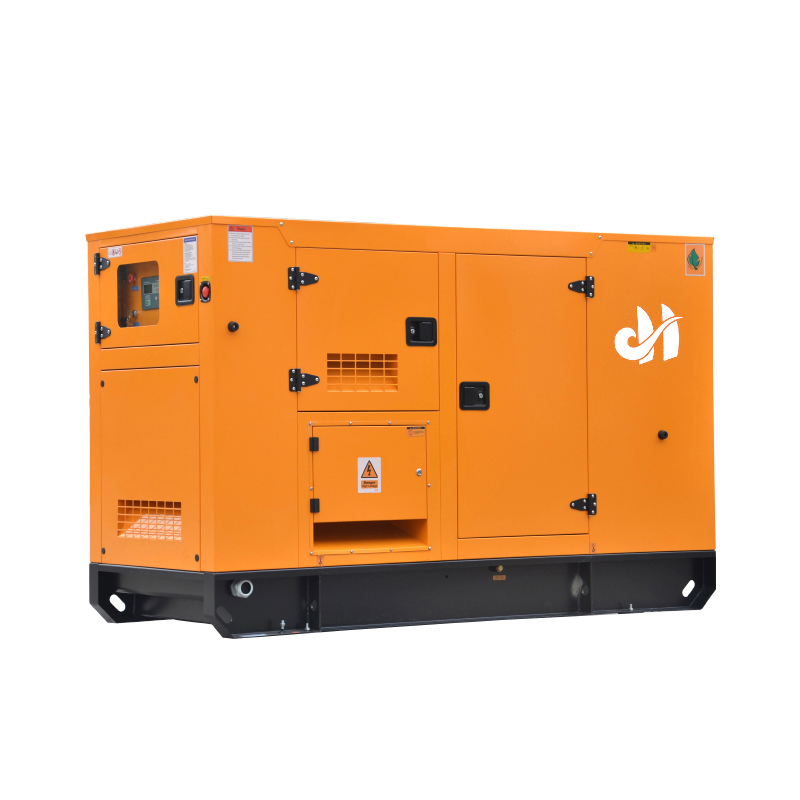
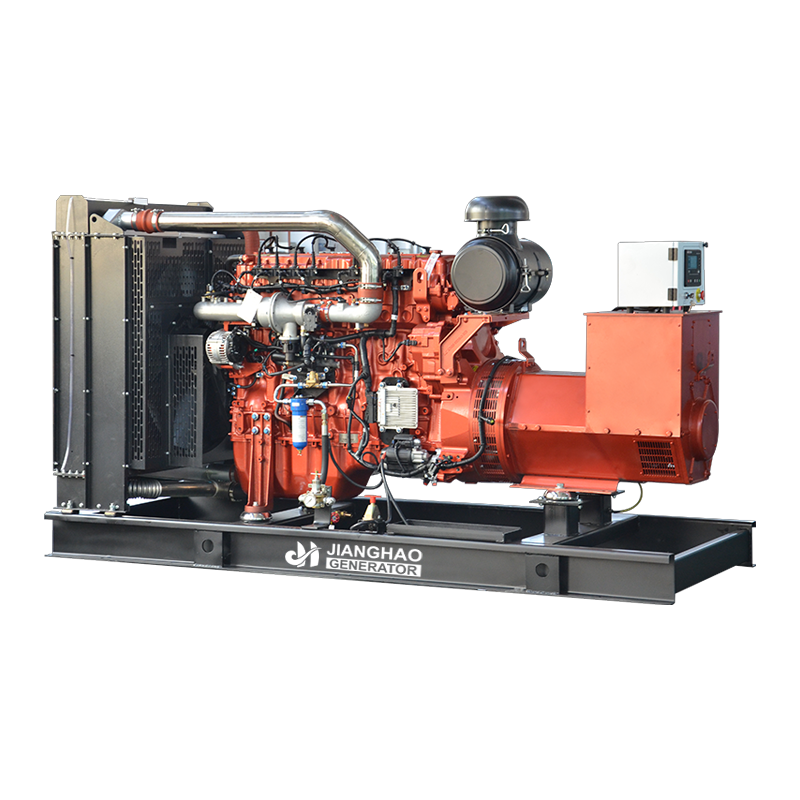
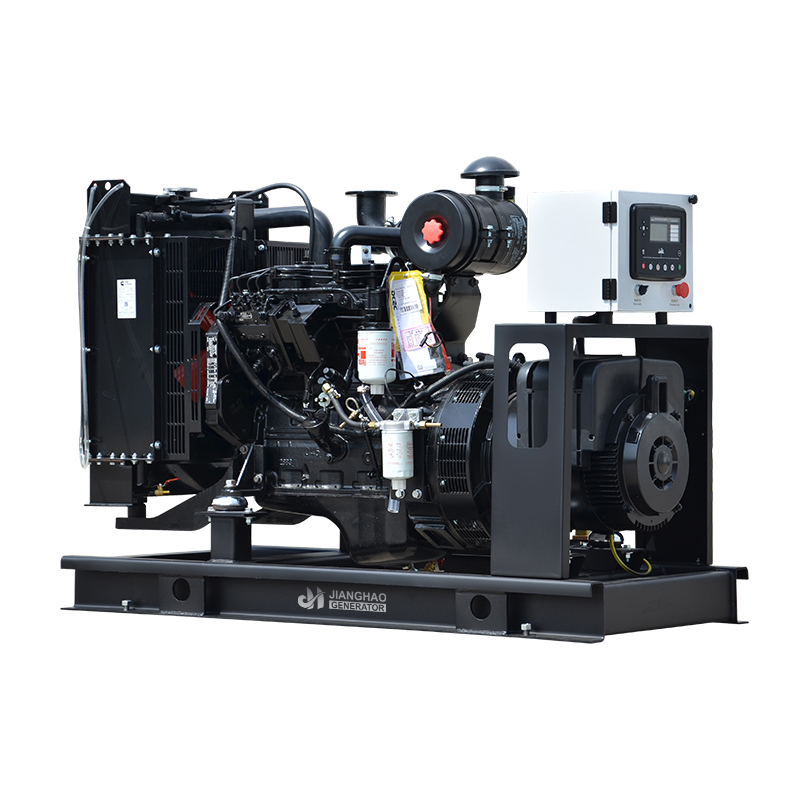 Compact Generator Sets in the 8-100 kVA RangeExplore DEF-free generator options below the Tier 4 threshold. Ideal for remote telecom sites, small workshops, and retail backup, these units simplify fueling and maintenance.View Product →
DEF Consumption and Tank Sizing
For a Tier 4 Final generator, the next question is always: how much DEF will it use? A widely used planning rule is that DEF consumption is about 10 percent of diesel fuel consumption at full load. In actual duty cycles, the ratio usually falls between 3 and 6 percent depending on load factor, ambient temperature, and engine calibration. Sizing conservatively at 10 percent gives you a safe margin. If your generator burns 80 liters of fuel per hour at full load, plan for roughly 8 liters of DEF per hour at that operating point.
Put that in the context of a typical standby installation:
- Estimate monthly runtime at each load level from the site's operating history.
- Multiply by the expected fuel burn at those loads.
- Apply the 10 percent rule to calculate DEF volume, then add a reserve for delivery lead time.
Most models in the 300-1000 kVA range integrate a DEF tank sized for several days of continuous operation. For prime-power applications that run around the clock, a bulk DEF tank outside the generator room, a transfer pump, and level monitoring in the controller are standard practice.
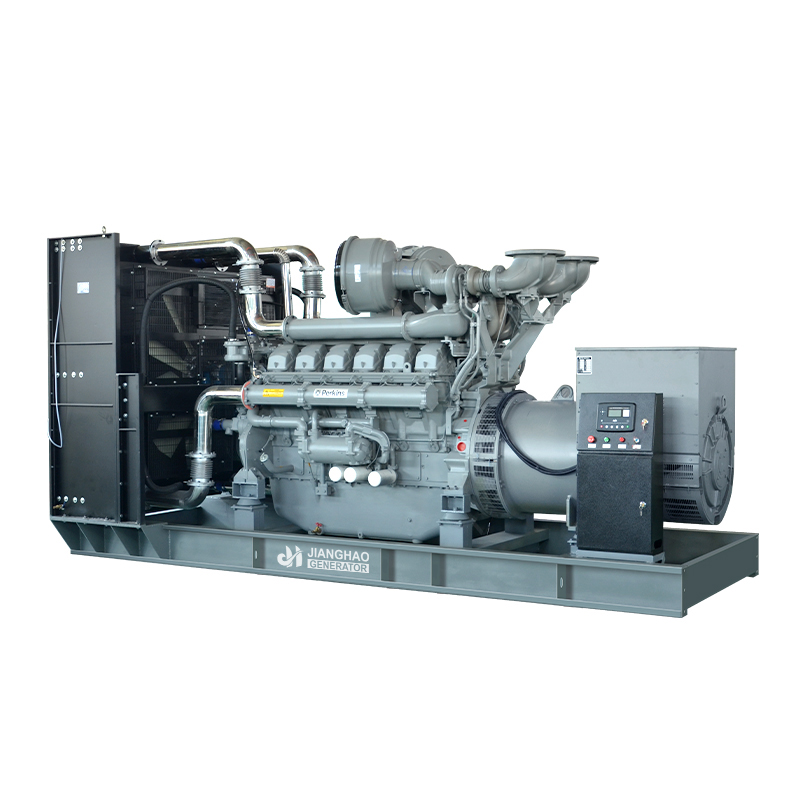
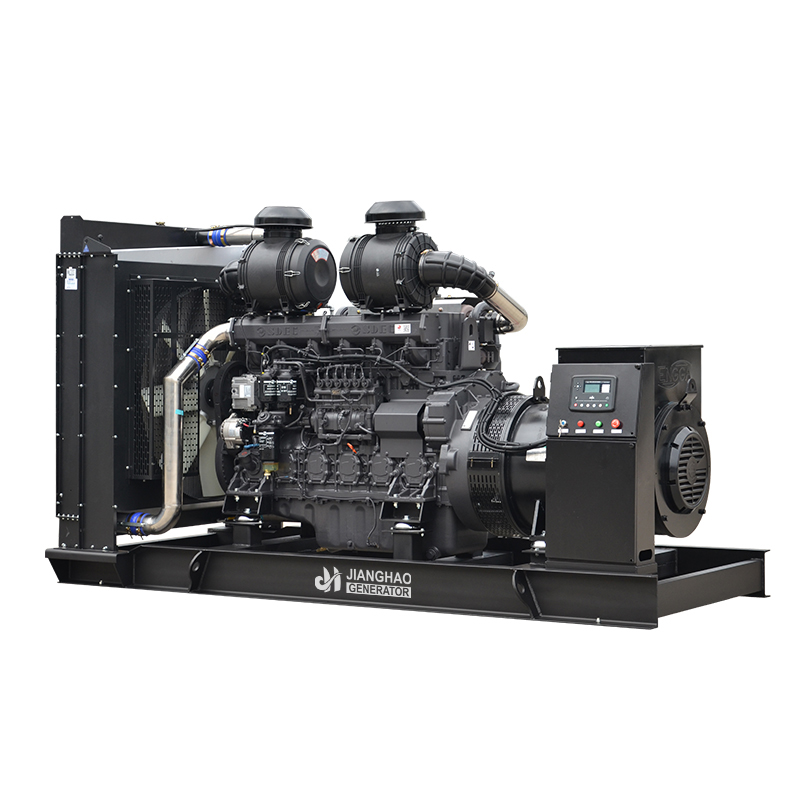
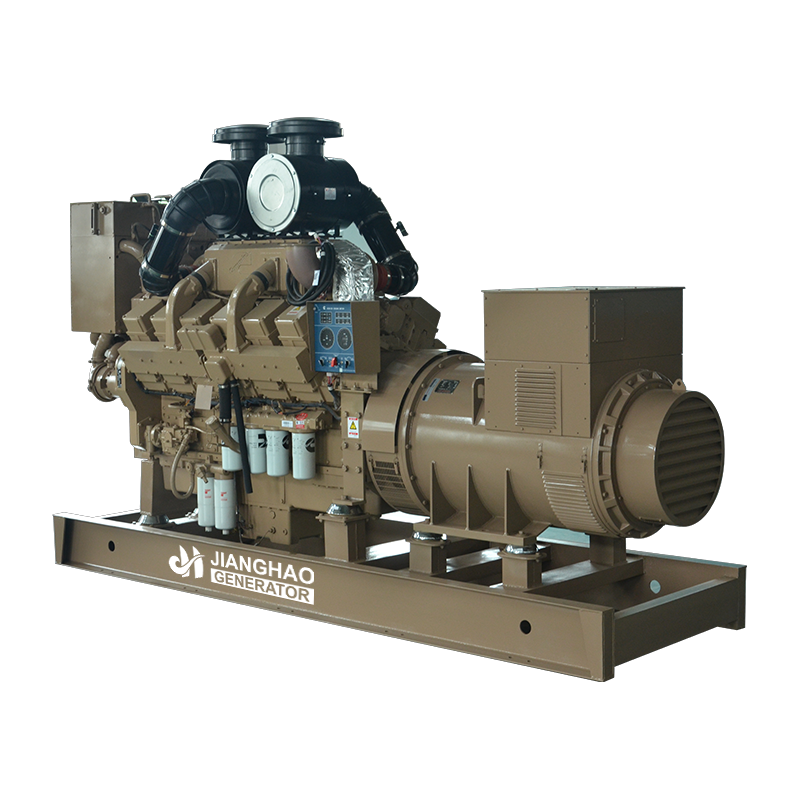
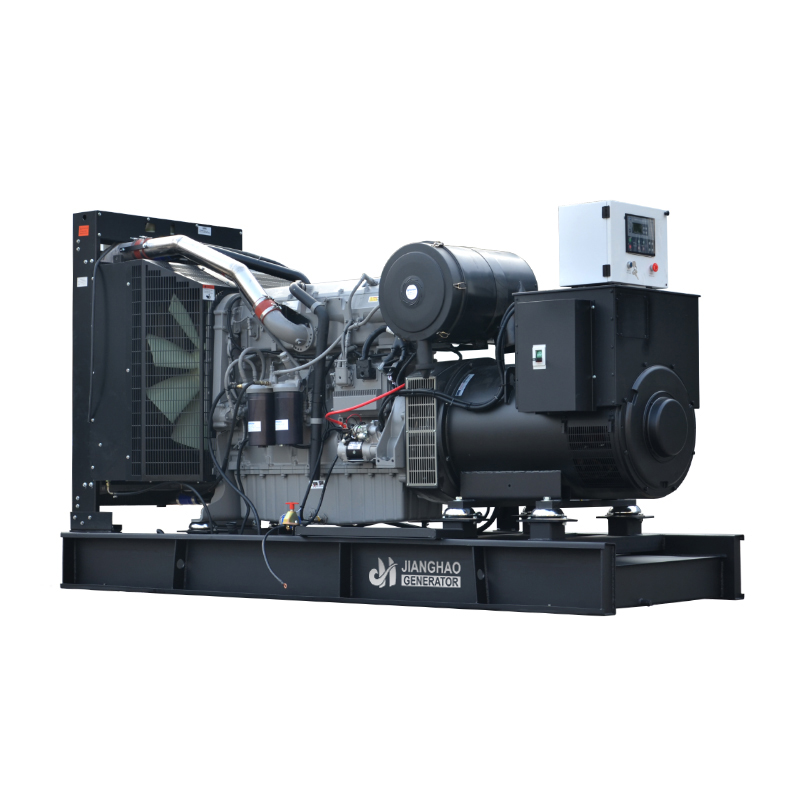
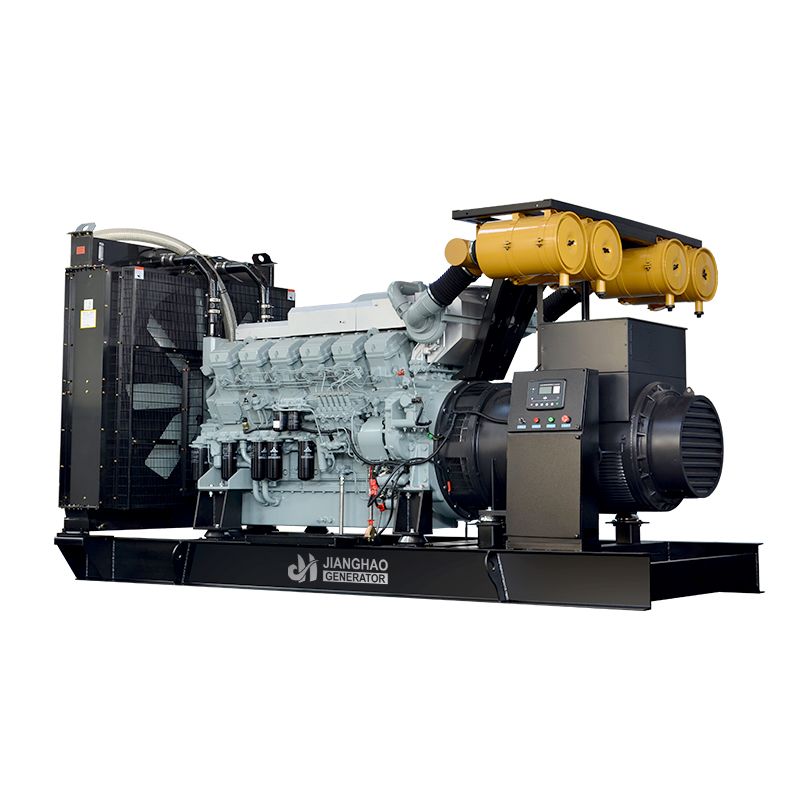
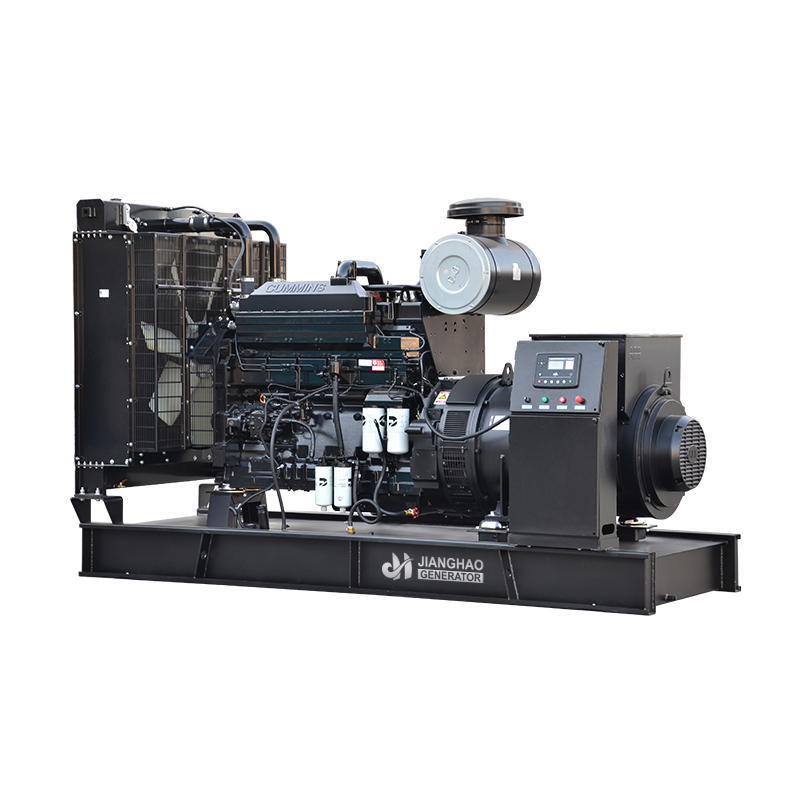 High-Power Industrial Generators (300-1000 kVA)These generators integrate large DEF tanks for extended runtimes. Suitable for prime power, they feature advanced cooling, parallel operation, and smart control for heavy-duty use.View Product →
Managing DEF on a Generator Site
DEF is not difficult to handle, but it has specific storage rules that surprise first-time buyers. It has a shelf life of about 12 months when the original container is unopened, and about 6 months once opened. It must stay clean. A trace of oil, metal dust, or the wrong type of water can degrade the fluid and eventually plug the SCR injector. Always order ISO 22241-certified fluid and keep containers sealed between refills.
Temperature is the second issue. DEF freezes at approximately -11°C (12°F). Generator-mounted DEF tanks include an electric heater, and the controller warms the fluid before dosing, so the equipment itself manages that problem. Bulk storage outdoors, however, needs its own heating strategy and freeze protection. In cold climates, heated lines from a bulk tank to the generator are worth the cost.
Spill containment deserves attention too. Diluted DEF is mildly corrosive to certain metals, so containment under bulk storage and filling points should be stainless steel or high-density polyethylene, not uncoated steel. A monthly exercise run of a standby generator does not fully exercise the SCR system; the unit should be loaded enough to raise exhaust temperature into the normal dosing range so the injector stays clear.
One decision that simplifies all of these tasks is integrating the DEF tank into a weatherproof enclosure. Container-type generator sets give you room for a larger DEF tank, drip containment, heaters, and line management in a single package that arrives ready to run.
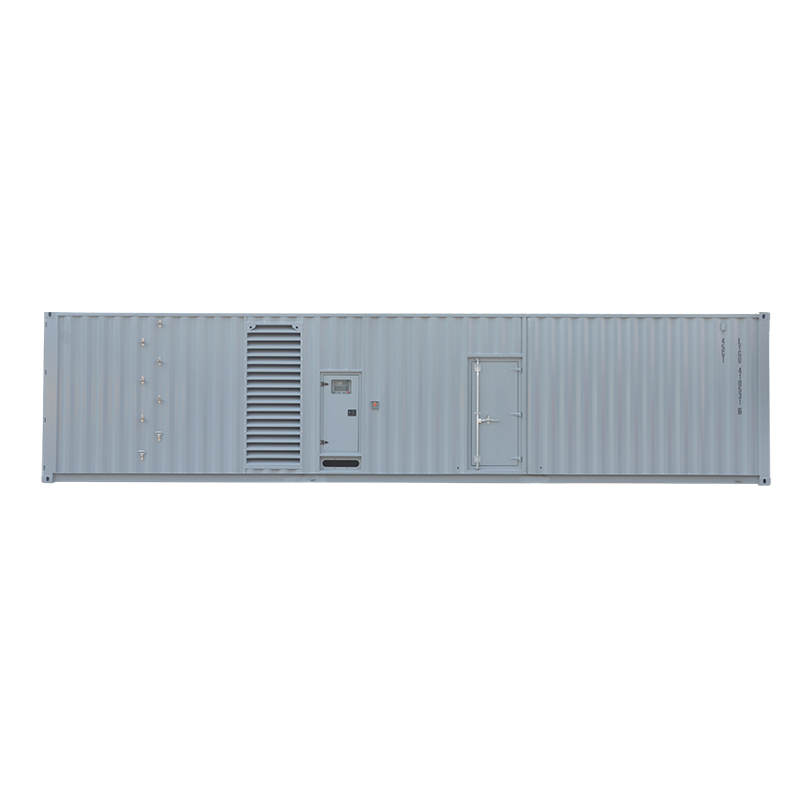 Containerized Generator Sets (1000-4000 kVA)Weatherproof enclosures integrate ample DEF storage, drip containment, and heaters. Ready to run, these units suit mining, ports, and emergency backup in harsh environments.View Product →
Buying a Tier 4 Genset: Plan for DEF from Day One
Once you know you will be on DEF, the buying conversation changes. Ask three questions before signing a purchase order:
- What is the certified emission tier of the complete package, engine and alternator together?
- Is the DEF tank, dosing system, and low-fluid alarm included in the base price, or listed as an option?
- How does the controller warn the operator about low DEF level, and what happens if the tank runs dry?
For cold-weather sites, request tank and line heaters sized for your lowest recorded temperature. For remote sites, consider a remote-fill bulk tank so a fuel supplier can also top up DEF without entering the generator room. Ask the manufacturer for documented DEF consumption data at 50 percent and 100 percent load instead of accepting a generic estimate.
A well-planned installation starts with a custom-engineered design that treats DEF storage, dosing, and control as part of the power system rather than an aftermarket add-on. That single step prevents most of the operational problems described above.
Regulations Will Keep Shaping the Answer
The short answer to "do diesel generators use DEF" is not a permanent one. Emission rules continue to evolve. In 2024, the EPA removed the separate DEF sensor requirement for diesel engines as a cost-reduction measure, but that guidance did not remove the need for DEF itself. SCR remains the dominant technology for achieving both Tier 4 Final and EU Stage V compliance. More importantly for buyers, any future tightening of NOx limits is likely to keep SCR and DEF at the center of diesel generator aftertreatment.
For the operator, the consequences of skipping DEF are clear: the generator's controller will eventually derate the machine, reduce output, or shut it down to prevent catalyst damage. Chemical fixes claiming to replace DEF are not accepted by engine warranties and should be avoided. Plan the DEF supply chain as carefully as you plan the diesel supply chain, and a Tier 4 Final generator will reward you with quiet, reliable, compliant power for thousands of run hours.