 English
 русский
 Español
 عربى
عربىWhat Is Wet Stacking in a Diesel Generator? Causes, Effects, and Solutions
The phone call came from the generator room at 2:00 a.m. The engineer on duty was looking at an 800 kW standby diesel generator set that had been running for the past six hours. The facility load was only 140 kW. Black liquid was weeping from every exhaust flange. The exhaust pipe looked as though someone had brushed a thin coat of crude oil over it. The conclusion, clear before any diagnostic instrument is used, is that the engine is wet stacking.
Wet stacking is a condition that develops when a diesel engine operates below roughly 30 percent of its rated load for an extended period. Fuel is injected into the cylinders, but the combustion chamber temperature is too low to burn it completely. Some of the diesel fuel ends up in the exhaust system as unburned hydrocarbons. The exhaust pipe becomes wet with fuel, soot, and other combustion byproducts. It is a slow and creeping problem, but it can have expensive consequences: glazed cylinder liners, stuck piston rings, diluted engine oil, a failed turbocharger, and even the loss of critical power during a real utility outage.
The encouraging news is that wet stacking is preventable and, in most early cases, reversible. The key to managing it is a clear understanding of what causes it, how to spot it, and what to do about it. This article is intended for facility managers, data center operators, procurement engineers, and anyone else who selects, specifies, or operates diesel generator sets. It covers the technical background, the standards that govern generator testing, practical symptoms, corrective actions, and the procurement decisions that prevent the problem from ever arising.
Before going further, it is worth stating the most important operational rule: every diesel generator set should be exercised or loaded to at least 30 percent of its rated capacity for a minimum of 30 minutes on a consistent schedule. The load should be real electrical load, not just the generator running unloaded. If a facility cannot reach that level of load during a normal test, a resistive load bank is required. This simple discipline prevents the majority of wet-stacking cases. The rest of this article explains the science and the practical details behind that rule.
What Is Wet Stacking in a Diesel Generator?
Wet stacking is a condition in which unburned fuel, soot, and combustion byproducts accumulate in the exhaust system of a diesel engine. The word "wet" describes the liquid appearance of the fuel and carbon that condense on the exhaust manifold, turbocharger, exhaust pipe, and muffler. In severe cases, the liquid can drip from the exhaust stack or visibly run from flanged connections. This is not the normal diesel exhaust puffing that can be seen at start-up; wet stacking is a continuous condition that persists while the engine is running under load.
Understanding wet stacking requires a working knowledge of the diesel combustion process. A diesel engine is a compression-ignition machine. Air is drawn into the cylinder and compressed to roughly 500 to 700 psi, which raises its temperature to approximately 1,000°F (540°C). At the top of the compression stroke, the fuel injector sprays diesel fuel into the hot, compressed air. The fuel droplets must atomize, vaporize, mix with oxygen, and then ignite spontaneously. This entire event must complete within a few milliseconds of the injection. When the engine is operating at or near its rated design point, the cylinder temperature and pressure are high enough to support complete, rapid combustion.
When the engine is lightly loaded, less fuel is injected per stroke. The peak cylinder temperature falls. The smaller fuel spray does not vaporize fully. Some of the diesel fuel remains as a liquid or forms a partially burned carbon particle. As the load is reduced further, the combustion chamber temperature falls even lower, and an increasing proportion of the fuel leaves the cylinder unburned or partially burned. This material flows into the exhaust system, where it cools and condenses onto the surfaces.
There is also a related phenomenon inside the cylinder itself. The carbon and unburned fuel accumulate on the cylinder liner walls, forming hard deposits that polish the liner's cross-hatch surface. This is known as glazing. Glazing can occur at the same time as wet stacking, and it is often mentioned alongside it. Other related terms include carbon fouling and carbon packing. The distinction matters because wet stacking is primarily about fuel condensation in the exhaust path, while glazing is about deposits on the cylinder liner. Both share the same root cause: an underloaded diesel engine.
Wet stacking is distinct from the occasional black smoke that can appear when a diesel engine is first started or when it is suddenly loaded. Startup and transient operation can produce smoke, but the condition clears as the engine reaches operating temperature. Wet stacking is different because it is caused by an operating-state mismatch, not by a momentary transient. If the engine is running at low load, the fuel never burns cleanly, and the exhaust pipe remains wet for as long as the low-load condition continues.
Why Diesel Engines Are Especially Susceptible
Many people ask whether wet stacking affects gasoline generators or natural gas engines. The short answer is that gasoline and spark-ignition natural gas engines are much less likely to experience wet stacking, and the reason comes down to the physics of combustion.
Diesel fuel is a heavier, less volatile hydrocarbon than gasoline. Its boiling range spans roughly 350°F to 675°F. Diesel fuel is not easily vaporized at low temperatures. It requires the intense heat of compressed air to atomize and ignite. When the engine is lightly loaded, that heat is not there. The heavier hydrocarbon molecules condense and remain as droplets or films on the cylinder walls and exhaust surfaces. By contrast, gasoline and natural gas are lighter hydrocarbons that can be vaporized more easily, and the spark-ignition engine uses a throttle plate to control the amount of air entering the cylinder. This creates a richer mixture at part load, and the combustion temperature stays high enough to burn the fuel completely.
Diesel engines are also designed to run with a significant excess of air. At full load, a diesel engine operates at an air-to-fuel ratio of perhaps 30:1 to 50:1, while a gasoline engine at full load runs near stoichiometric at about 14.7:1. At light load, the diesel engine still draws the same volume of air, but only a small amount of fuel is injected. The excess air has a cooling effect; it absorbs the heat of combustion and dilutes the hot gases. This makes the combustion chamber temperature fall even faster as load is reduced.
The exhaust gas temperature is a useful indicator. A modern turbocharged diesel engine at 80 percent load can run at exhaust temperatures of 900°F to 1,100°F at the turbocharger inlet. At 30 percent load, the exhaust gas temperature may be 550°F to 700°F. At 20 percent load, it can fall to 400°F or below. This is far below the temperature needed to burn off soot and carbon deposits. The low temperature is exactly why wet stacking is more likely at very low load: the engine simply is not hot enough to clean itself.
There is also a difference between high-speed and low-speed engines. The high-speed, small-displacement engines used in many standby generators have relatively large cylinder heat loss, making them more susceptible to low-load issues. Conversely, large slow-speed marine diesel engines are sometimes designed to operate at low load for extended periods, using special turbocharger and combustion strategies. But for industrial and commercial generator sets, the 30 percent rule is a widely accepted design guideline.
The Load Threshold and Technical Standards
The 30 percent load figure is not an arbitrary recommendation. It is the point at which, for most industrial diesel engines, combustion chamber temperatures fall below the level needed for clean, complete fuel burning. The exact threshold depends on the engine's compression ratio, bore and stroke, turbocharger configuration, fuel injection timing, and coolant temperature. Some engines tolerate 20 percent load for a limited time, while others begin to show symptoms of wet stacking at 35 percent. The governing concept is that every diesel engine has a minimum load below which combustion quality degrades rapidly.
NFPA 110 is the primary reference standard for emergency and standby power systems in the United States. It establishes requirements for the performance, testing, and maintenance of emergency power supply systems. Among its testing requirements, NFPA 110 specifies that the emergency power supply system be exercised under load. The standard recommends a monthly test at no less than 30 percent of the generator's rated capacity for a minimum of 30 minutes. The load should be representative of the actual facility load wherever possible, and a load bank should be used if the actual load is insufficient. For Level 1 systems, which are required to maintain power to critical applications, the testing regime is more stringent.
ISO 8528 is the international standard governing the performance of reciprocating internal combustion engine driven AC generating sets. It defines the performance classes for generator sets, including the allowable voltage and frequency deviations under varying load. It also addresses the concept of the generator's prime and standby ratings and provides guidance on how the generator set should behave at various load points. When a generator set is being selected, the manufacturer should be given the expected load profile, including the minimum and maximum expected loads, so that the engine can be matched to the actual duty cycle.
There is also the concept of load factor, which is the average load divided by the rated load over a given period. A facility with a sustained load factor below 30 percent is a candidate for wet stacking. However, load factor is only one piece of the picture. The duration of low-load operation matters just as much as the percentage. An engine that runs at 25 percent load for 10 minutes per day is unlikely to develop severe wet stacking. An engine that runs at 25 percent load for six hours per day will develop problems quickly.
| Load Range | Exhaust Gas Temperature | Combustion Quality | Wet Stacking Risk |
|---|---|---|---|
| 80% to 100% rated load | 900°F to 1,100°F | Complete | Negligible |
| 50% to 80% rated load | 700°F to 900°F | Mostly complete | Low |
| 30% to 50% rated load | 550°F to 700°F | Incomplete | Moderate |
| Below 30% rated load | 400°F to 550°F | Severely incomplete | High |
How to Recognize Wet Stacking Early
Spotting wet stacking early gives the best chance of reversing it. The condition develops gradually, and there are several reliable indicators. A facility manager or technician should look for these signs during routine walk-downs and during monthly test runs.
Visual symptoms include black, oily liquid dripping from exhaust flanges, muffler drains, or the exhaust tailpipe; a dark, sticky residue inside the exhaust pipe, sometimes with a fuel or burned-oil odor; soot and carbon buildup on the exhaust manifold exterior, especially at the flange between the manifold and turbocharger; white or gray smoke from the exhaust when operating at light load; and an oil sheen on the outside of the exhaust system, which may indicate fuel condensation rather than an oil leak.
Operational symptoms include rough idle or uneven running at low load; higher specific fuel consumption, where the generator burns more diesel per kilowatt-hour than it should; lower exhaust gas temperature than expected for the given load; slow response to load changes with visible smoke during transient loading; and increased oil consumption, sometimes with a diesel fuel smell in the crankcase oil.
Monitoring indicators include diesel fuel odor in the engine oil sample, oil analysis showing fuel dilution, increased blow-by pressure from the crankcase, and elevated soot content in the oil. The most reliable evidence comes from visual inspection of the exhaust path combined with a direct measurement of the exhaust gas temperature. A simple infrared thermometer can measure the exhaust manifold temperature at steady state. If the temperature is significantly below the manufacturer's expected value for the given load, wet stacking is likely. A borescope inspection of the cylinder can reveal glazing on the liner wall and heavy carbon deposits on the piston crown.
| Symptom Category | Specific Observation | What It Indicates | First Action |
|---|---|---|---|
| Visual | Black liquid leaking from exhaust flanges | Unburned fuel condensation | Load bank test |
| Visual | Soot on exhaust manifold exterior | Incomplete combustion | Clean and test at load |
| Operational | Exhaust smoke at low load | Poor combustion | Load bank test |
| Operational | Low exhaust gas temperature | Underloaded engine | Increase load |
| Monitoring | Fuel dilution in engine oil | Fuel passing rings | Oil change and load bank |
| Monitoring | Increased blow-by | Ring sticking | Inspect engine |
Consequences If Wet Stacking Is Left Uncorrected
If wet stacking is not corrected, the damage accumulates over time. The consequences can be grouped into performance degradation, component damage, and financial risk. Each group reinforces the others.
Engine performance degradation: The carbon that builds up on the cylinder walls fills the micro-texture of the liner's cross-hatch pattern. The oil film that was supposed to be retained by that cross-hatch is no longer held in place. This is glazing. A glazed liner cannot lubricate the piston properly, so the piston rings begin to scrape against the wall. The resulting friction increases the load on the engine, reduces efficiency, and produces metal particles in the oil. Over time, the engine's power output falls even at the same fuel input.
Ring issues: Carbon deposits collect in the piston ring grooves. The rings begin to stick, losing their ability to expand and seal against the cylinder wall. A stuck ring cannot hold compression. This reduces the engine's power output and allows combustion gases to blow past the rings into the crankcase. The condition is called blow-by. Blow-by gases carry fuel vapor, partially burned hydrocarbons, and water vapor, which contaminate the engine oil and accelerate wear.
Oil dilution: The unburned diesel fuel that washes past the piston rings into the oil pan dilutes the engine oil. Diesel fuel has poor lubricating properties. When the oil is diluted, its viscosity drops, and its ability to protect the crankshaft journals, bearings, and camshaft surfaces is reduced. The flash point of the oil also drops, increasing the risk of an engine compartment fire if there is a fuel or oil leak.
Turbocharger damage: The unburned fuel and soot pass through the turbocharger, where they foul the turbine wheel and the bearing housing. Carbon cokes the turbine housing and the variable geometry vanes on modern turbochargers. This restricts the exhaust flow, increases backpressure, and reduces boost pressure. A turbocharger failure can lead to a complete loss of boost, which means the engine cannot produce its rated power and may shut down.
Exhaust system restrictions: The muffler and exhaust stack accumulate heavy soot and liquid fuel. This build-up restricts the exhaust path, increasing backpressure. High backpressure affects the scavenging of the cylinders, which makes combustion less efficient. It can also raise the exhaust gas temperature in an uncontrolled way, leading to overheating of the exhaust valves and a reduction in engine life. A severely blocked exhaust can result in an engine shutdown.
Financial impact: The direct fuel cost of wet stacking can be considerable. A generator running at 25 percent load may burn substantially more fuel per kilowatt-hour than one running at 70 percent load. Over the course of a long outage, that difference can add up to thousands of dollars of wasted diesel. Repair costs are also significant: cylinder liners, piston rings, turbochargers, exhaust components, and oil filters are all at risk. In a data center or hospital environment, the most serious financial consequence is the possibility that the generator fails during an outage.
| Consequence | Mechanism | Repair Scope | Prevention |
|---|---|---|---|
| Performance degradation | Glazed cylinder liner | Liner re-hone or replacement | Avoid low load |
| Ring sticking | Carbon in ring grooves | Ring replacement | Load bank exercise |
| Oil dilution | Fuel bypassing rings | Oil change and filters | Rapid correction |
| Turbocharger damage | Carbon coking | Turbocharger replacement | De-glazing procedure |
| Exhaust restriction | Soot buildup in muffler | Muffler replacement | Load bank exercise |
Prevention Strategies for Day-to-Day Operations
The best way to manage wet stacking is to prevent it. Since the root cause is sustained low-load operation, prevention revolves around three pillars: load management, generator selection, and disciplined maintenance.
Load management starts with knowing your actual load. A monthly test run should be logged with the generator's real load and the exhaust gas temperature. If the load during the test is below 30 percent of rated capacity, the operator should connect a resistive load bank. A load bank applies a precisely controlled electrical load to the generator, forcing the engine to produce the full design load. The generator set is run at a load high enough to raise the exhaust temperature to the specified range for the engine, which burns off any existing deposits.
The frequency and duration of load banking depend on the usage pattern of the generator. For a standby unit that is only tested monthly, a 30-minute load bank run at 30 percent or more is often enough. If the unit is used weekly in a low-load condition, a load bank run should be scheduled more frequently. Some facilities deliberately run a carbon burn procedure annually, where the generator is loaded to 75 percent or 100 percent for two to four hours.
Generator selection is the second pillar. A generator set should be sized based on both maximum and minimum expected load. If the minimum load is very low, the strategy should be revisited. Rather than ordering a large unit and running it at 16 percent load, the operator could install two or three smaller units and run only the ones needed for a given load level. This is what parallel configuration means in a generator context. When load is low, only one unit runs, and that unit operates at a higher percentage of its rating. When load grows, a second unit starts and shares the load.
Parallel configurations are an effective way to avoid wet stacking because they allow the system to match the generator output to the actual demand. This is especially useful in data centers and industrial facilities that have highly variable loads.
Maintenance discipline is the third pillar. The operator should change the engine oil and filters according to the manufacturer's recommendation, and more frequently if oil analysis shows fuel dilution or soot contamination. The crankcase ventilation system should be kept clean. The air filter should be checked often, because a restricted intake can affect the air-to-fuel ratio. The coolant system should be maintained at the proper temperature, because a thermostat that opens too early can keep the engine cold and worsen the low-load condition.
Corrective Actions for an Already Wet-Stacked Engine
When wet stacking is detected in its early stages, corrective action can restore the engine to normal. The standard procedure is to run the generator under a controlled load so that the engine's exhaust temperature rises enough to burn off accumulated deposits. There are two distinct approaches, and the right one depends on how severe the condition is.
The first method is simple load banking. The generator is connected to a load bank and loaded to 50 to 75 percent of its rated capacity. The engine is run at this load for one to two hours. The exhaust temperature rises, and the carbon and fuel deposits begin to burn off. The black liquid should gradually disappear from the exhaust pipe, and the exhaust stack should become visually cleaner. This method is effective when the engine has only begun to wet stack and the soot has not hardened.
The second method is a de-glazing procedure. If the cylinder liner has developed glazing, a load bank run alone may not be sufficient. The carbon deposit on the liner is hard and polished, and it can resist the temperatures reached during a conventional load bank run. Some manufacturers have published specific de-glazing procedures that rely on reaching a target exhaust gas temperature at the turbocharger inlet. The engine is loaded until the exhaust temperature reaches the target range, and then it is maintained at that temperature for two to three hours. This allows the carbon to soften and become loose. The engine is then run under normal load to flush the particles out of the combustion chamber.
It is important to emphasize that a load bank test alone will not solve a serious glazing problem. If the engine has been running at low load for hundreds of hours, the carbon deposits are thick. The de-glazing procedure should be conducted by qualified personnel who understand the engine manufacturer's specific instructions. Overheating the engine during the de-glazing procedure can cause damage to the exhaust valves and other components.
If the engine is severely affected, a partial or full rebuild may be required. The cylinder head is removed, the liners are honed or replaced, and the piston rings are replaced. This is a costly operation, and it should only be necessary when the engine has been neglected for a long period. It can take one to three weeks, depending on the engine size and the availability of parts.
The key message is that wet stacking is reversible in its earlier stages. At the first sign of black liquid at the exhaust or a low exhaust temperature reading, the operator should schedule a load bank test. Waiting increases the risk of needing a rebuild.
Procurement and Generator Sizing Decisions
For a facility manager or procurement engineer evaluating a new generator, wet stacking should be a central topic in the early discussions with the supplier. The questions should not only be what the maximum load is but also what the minimum load is and how many hours per year the generator will run at that minimum load. These answers should determine the size of the generator set more than the maximum theoretical load alone.
The Sizing Question
Purchasers often select a generator that covers the peak demand, with the intention of loading it with future equipment. While this is understandable, it creates a mismatch with the actual operational load profile. A generator rated 800 kW with a base load of 120 kW will spend its life in severe underload. The purchase becomes more expensive than necessary in terms of maintenance and fuel. A smaller generator can often be paralleled later if more capacity is needed. This is a key strategic consideration for any facility that is growing.
Another factor is motor starting inrush. A motor or a compressor starting can draw six to eight times its full-load current. If the facility has several large motors, the generator must be sized to handle the starting surge. This can make the generator much larger than the steady-state load. In those cases, a motor-starting control strategy such as soft starters or variable frequency drives can help reduce the size of the generator needed.
Customized generator design can also help. If the facility has an unusual load profile, the supplier can design a unit that matches the application. For example, a high-voltage generator set or a unit with specific control and paralleling features can be built to order. The design process should address the minimum load issue as part of the system engineering.
What to Specify in the Purchase Order
When specifying a generator set, the procurement engineer should request that the manufacturer state the minimum load percentage for continuous operation. This should be in the technical data sheet. If the manufacturer does not provide this information, the supplier should be asked directly. The answer should be written into the purchase order. Additionally, the facility should specify whether the generator is standby, prime, or continuous duty. This determines the engine's baseline rating.
For smaller facilities that expect loads below 100 kVA, a generator in the 8-100 kVA range may be appropriate. For medium facilities in the 100-300 kVA class, the actual demand often dictates the size. For larger data centers and industrial plants, the 300-1000 kVA range is a common sweet spot where a facility can deploy multiple units for load sharing.
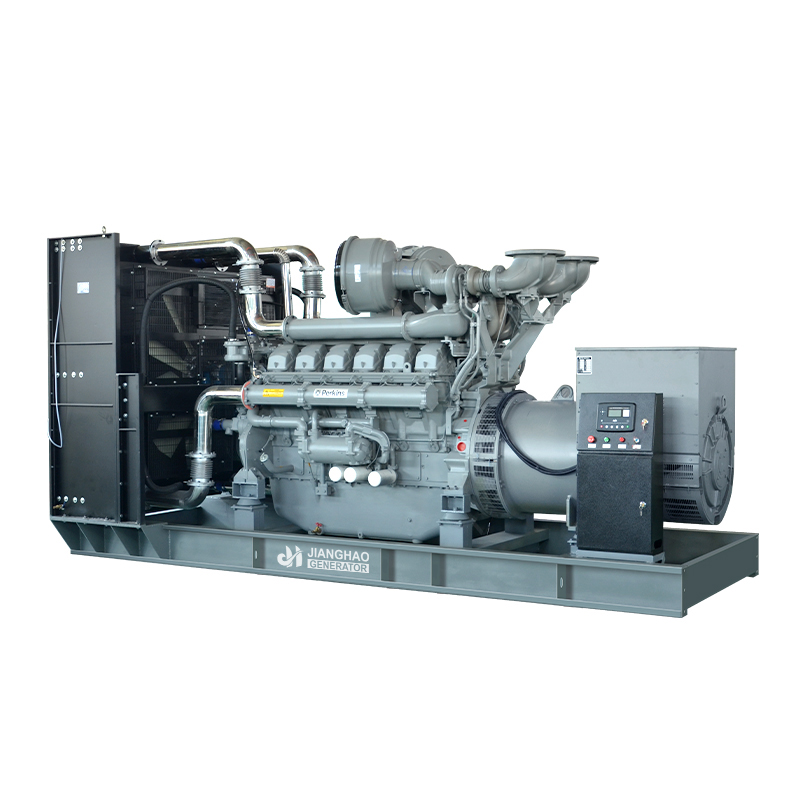
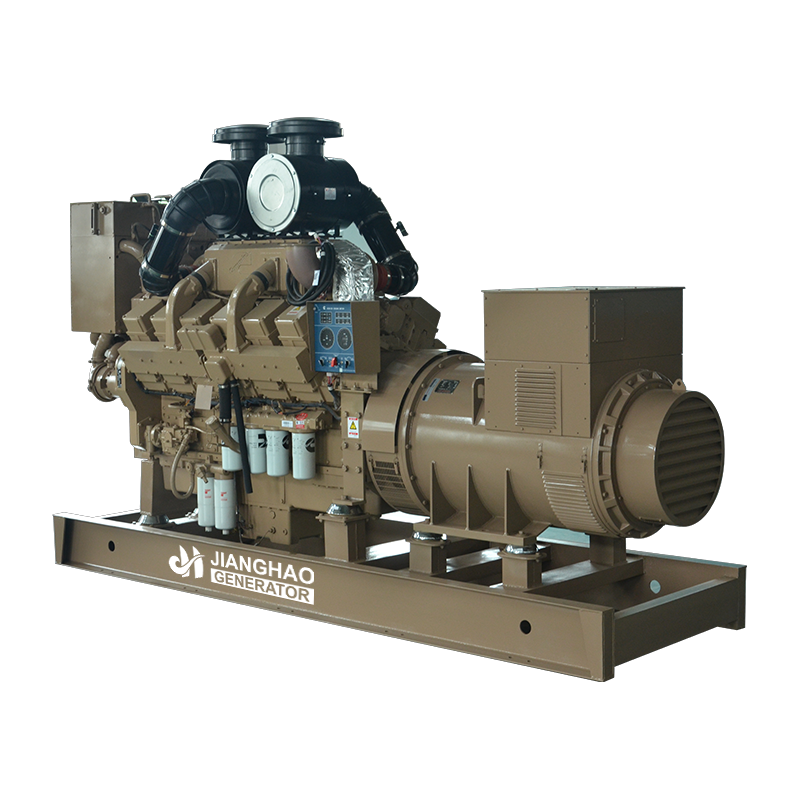
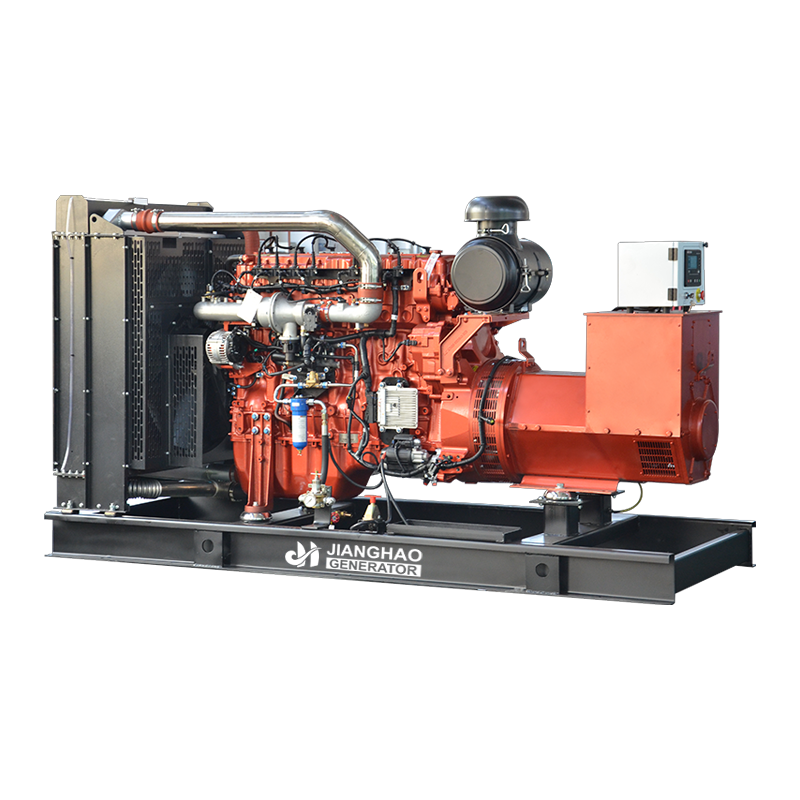
 Jianghao Diesel Generator Sets from 3kW to 3000kWThis manufacturer covers a wide power range and multiple configurations, suitable for various applications. It is worth reviewing here because the preceding text emphasizes matching generator size to actual load, and Jianghao offers options from small to large.View Product →
Jianghao produces diesel generator sets across a wide range of power outputs and structural configurations, from open frame to silent and containerized. The selection should be based on a genuine analysis of the load profile, not on a single worst-case figure.
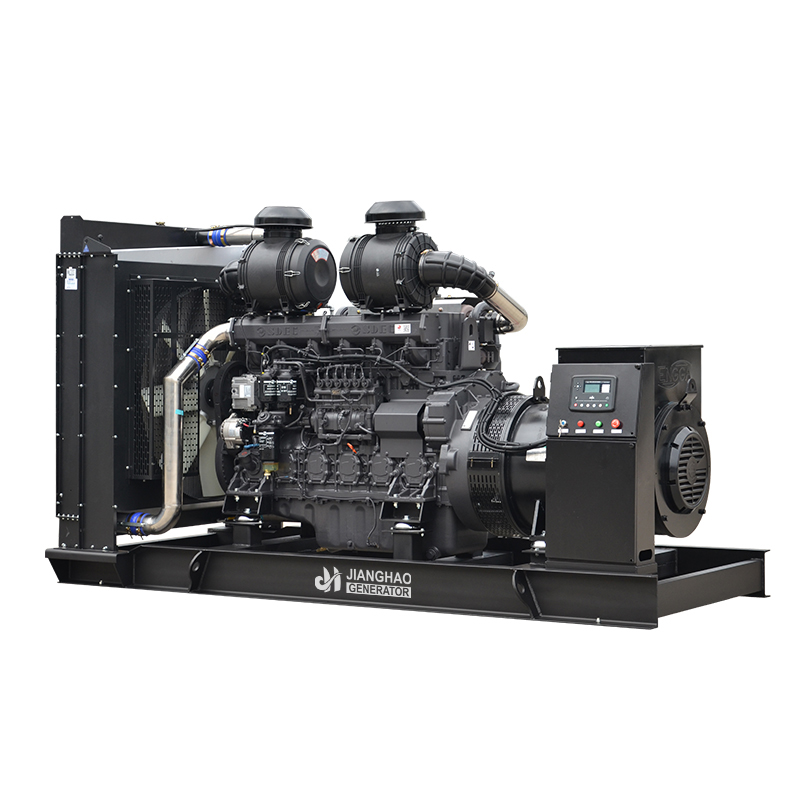
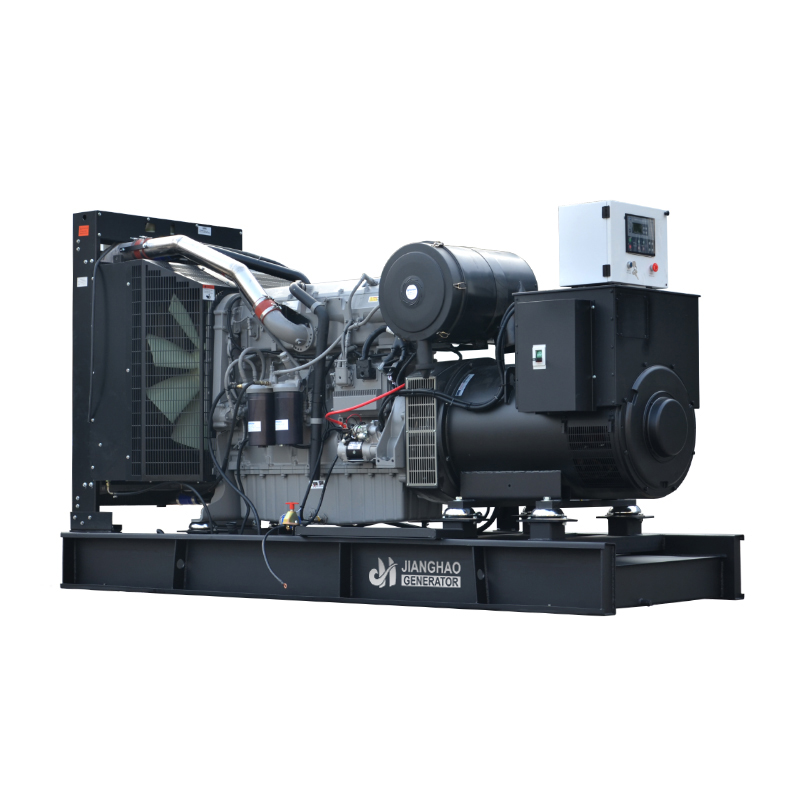
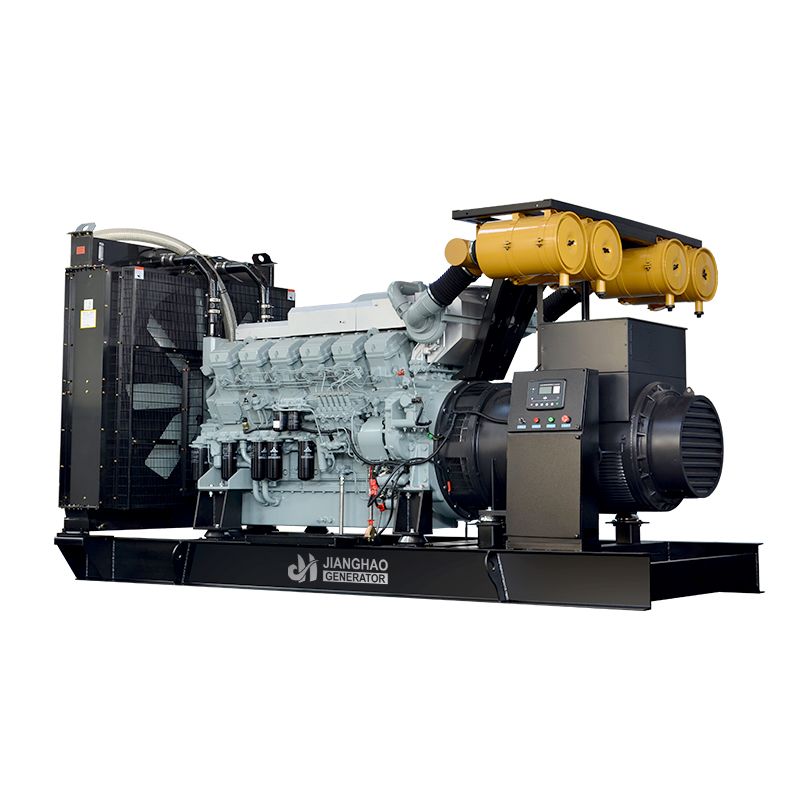
When you evaluate a specific equipment family, you should confirm that the generator can meet both your minimum and maximum load requirements. For example, a 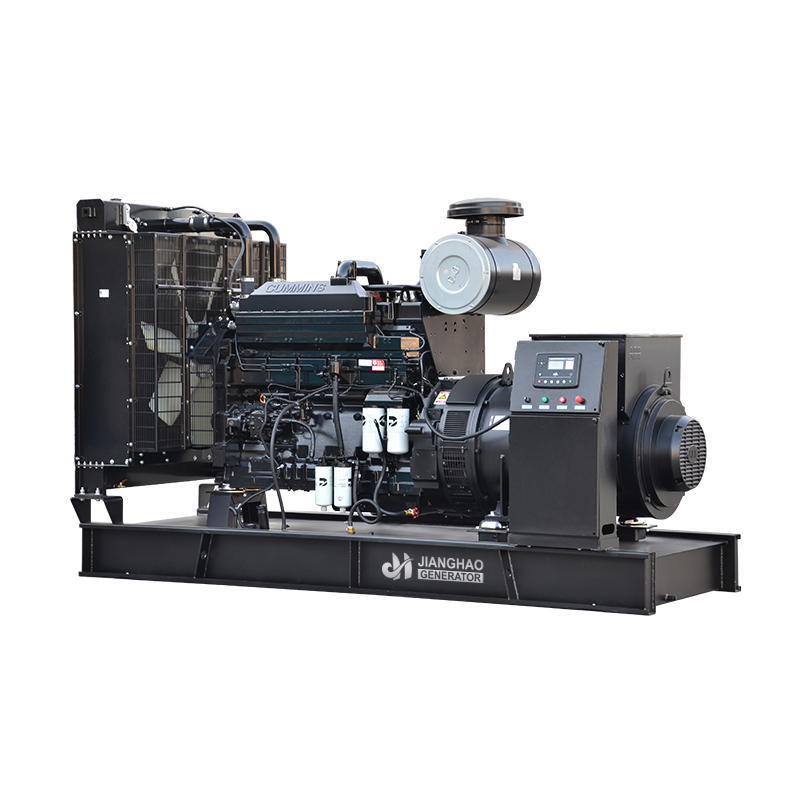 300-1000kVA Diesel Generator Sets for Steady LoadsThis generator range handles loads from 100-600 kW with peaking capability, and is ideal for facilities needing load sharing. It supports load bank exercises above 30% rating, helping prevent wet stacking as discussed later.View Product → offers a practical range for facilities that expect steady loads of 100-600 kW and periodic peak demand beyond that. A generator in this range can support a load bank exercise that achieves 30 percent or more of its rating, well above the wet-stacking threshold.
Practical Considerations for Facility Operators
Operating a diesel generator set is not just about starting it once a month. Good stewardship requires attention to the conditions that create wet stacking, including seasonal temperature changes, load growth, and maintenance schedules.
Seasonal Temperature Considerations
In winter, a generator running at low load runs even colder. The coolant thermostat may not open as fully, and the engine oil is thicker. This compounds the low-temperature problem and makes wet stacking more likely. A facility that tests its generator in summer with a load that is marginally above 30 percent may find that the same test in winter produces a lower exhaust gas temperature. Operators should verify the actual exhaust temperature at different times of the year.
Monitoring and Maintenance
Facilities are constantly adding equipment. A generator that was correctly sized five years ago may now be oversized because the load has not grown as anticipated. Conversely, some facilities see load growth beyond expectations. The maintenance manager should re-evaluate the generator's load profile annually.
A monthly test run should include a log of the exhaust gas temperature, the coolant temperature, the oil pressure, the generator output in kilowatts, and the load percentage. This log provides the data needed to detect a trend toward wet stacking before it becomes a problem. It also helps with the annual inspection and with regulatory compliance.
Installation and Enclosure
The location and structure of the generator affect its cooling and exhaust performance. A generator installed in an unventilated enclosure may run hot, and an open frame unit that is exposed to cold air will run cold and increase the risk of wet stacking.
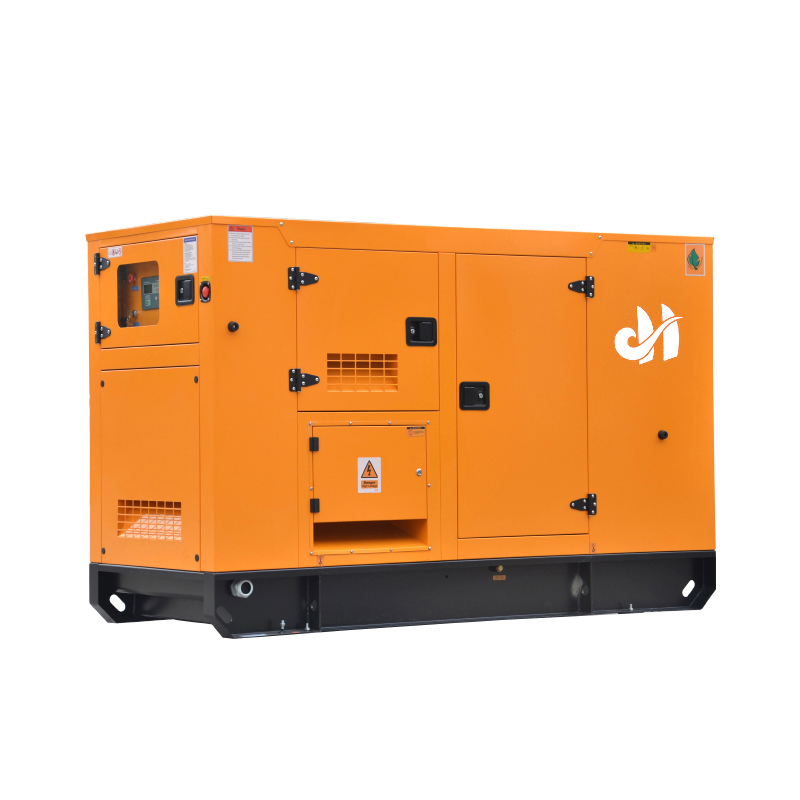
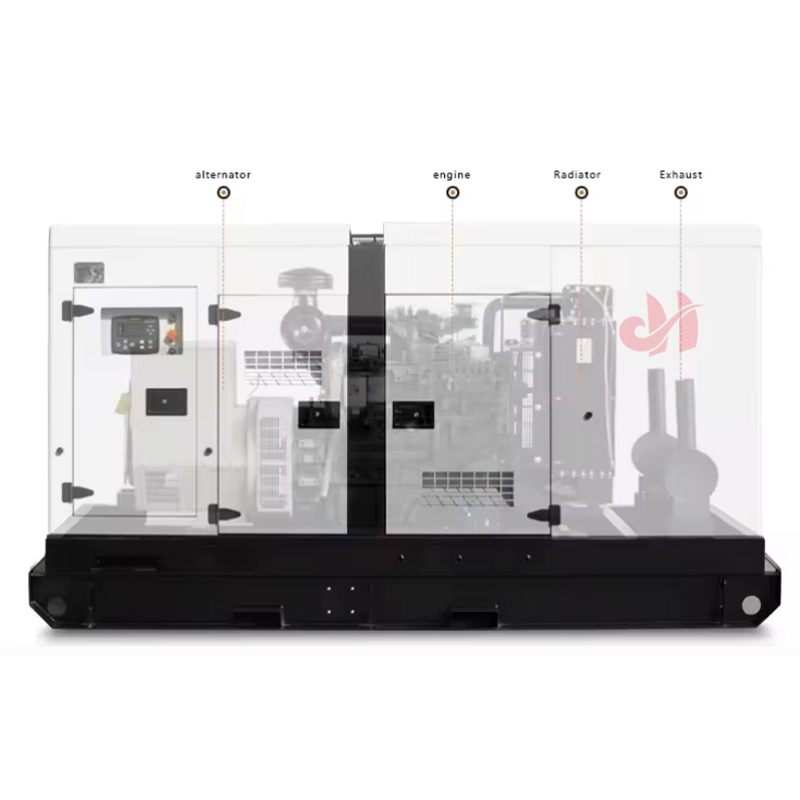 Silent Generator Sets with Soundproof EnclosuresThese enclosed units operate at 70-75 dB at 1 meter, reducing noise for sensitive sites. They are relevant here because the text highlights cooling and exhaust considerations, and silent sets require careful temperature monitoring during low-load testing.View Product →
Silent generator sets are often chosen for noise-sensitive installations such as hospitals, residential areas, and office complexes. These units have close-coupled enclosures and mufflers, and the operating temperature must be monitored carefully during low-load testing.
If the facility outsources generator maintenance, the contract should include load bank testing at the correct percentage, exhaust temperature logging, and oil analysis. The contract should also state the circumstances in which a de-glazing procedure would be performed. Some service providers offer load bank testing as part of a comprehensive maintenance agreement. The facility manager should confirm that the maintenance provider uses a load bank of adequate capacity and that the test is performed at a load that exceeds the wet-stacking threshold.
Final Recommendations
Wet stacking is not a mysterious engine failure. It is a predictable result of running a diesel generator set below about 30 percent of its rated load for extended periods. The physics are straightforward: a compression-ignition engine needs enough heat to burn the fuel completely, and at low load the heat is not generated. The results, unburned fuel, soot, and carbon deposits in the exhaust and cylinder, are visible and measurable.
The best defense is proactive management. A facility should size the generator based on the actual load profile, not only the theoretical peak; ensure that every monthly test run loads the generator to at least 30 percent of its rating for 30 minutes or more; use a load bank if the facility load is not sufficient; consider two or more generators in parallel when the load profile varies significantly; log the exhaust gas temperature and load percentage on every test run; and perform oil analysis at regular intervals, especially if the generator is used for extended low-load operation.
Taking these steps will keep the generator in good condition and give the facility the reliability it needs when the grid fails. If wet stacking is already present, a load bank test or a de-glazing procedure should be scheduled promptly. The cost of preventative action is small compared to the cost of an engine rebuild or the loss of emergency power during a critical outage.
The practical rule for anyone in a facility role is this: if your generator never runs above 30 percent load during normal operation, you have already identified the risk. The next question is whether you will act now or wait until the black liquid appears.