 English
 русский
 Español
 عربى
عربىCan You Fill a Diesel Generator While It's Running? No, and Here's Why
Can you fill a diesel generator while it's running? The direct answer is no. Whether you look after a standby set in a data center, a rental unit on a construction site, or backup power for a production line, refueling a diesel genset while the engine is turning is one of those things that safety standards, equipment manuals, and insurance investigators all treat the same way: it should never happen.
The rule is not about bureaucracy. It exists because a running generator combines hot surfaces, live electrical parts, and fuel in the same small space where a fuel nozzle has to be inserted. This article explains what is actually at risk, what the regulations require, and how to build a refueling routine that keeps both people and machinery safe.
Why Refueling a Running Diesel Generator Is Dangerous
The engine and exhaust system of a diesel genset run hot. Exhaust manifolds and turbocharger housings commonly sit at 300-600 degrees Celsius, far above the temperature at which diesel vapor can ignite. Diesel fuel has a flash point of roughly 52 degrees Celsius, which means vapor can flash whenever it gathers near a hot surface. On a running set, hot surfaces are everywhere: the turbocharger, the exhaust manifold, the silencer, even the radiator and coolant hoses.
There are other ignition sources too. Fuel moving through a nozzle and hose generates static electricity, and a spark between the nozzle and the filler neck can ignite vapor. The alternator, battery cables, and control wiring are all live. And because the engine vibrates, a small spill can trickle toward a hot pipe or an open terminal. A fire inside a generator enclosure grows quickly and usually destroys the set and the room around it.
| Hazard | Where it comes from | Why it matters during refueling |
|---|---|---|
| Hot exhaust surfaces | Turbocharger, manifold, silencer | Spilled fuel vaporizes and can ignite on contact |
| Static electricity | Fuel flowing through nozzle and hose | A spark between nozzle and filler neck can ignite vapor |
| Live electrical parts | Alternator, battery cables, control panel | Fuel or vapor touching live parts can cause arcing |
| Engine vibration | Fuel sloshing and creeping along surfaces | Small spills move toward hot or live components |
The Mechanical Risks That Are Easy to Overlook
Fire is the headline risk, but refueling a running set also damages the machine in quieter ways. The fuel system of a diesel generator set is designed as a sealed loop, a detail that becomes clear in any analysis of the working principle of diesel generator sets. The engine pulls fuel from the tank, through filters, to the injection pump, and returns unused fuel to the tank. Break that seal while the engine is running and air can enter the system. Air in the fuel rails causes hard starting, rough running, and in the worst cases, injector damage that means an unplanned overhaul.
There is also the problem of what sits at the bottom of a fuel tank. Water and sediment accumulate over months of operation. A refueling hose jetting fuel into the tank stirs that sludge up. If the engine is running, the lift pump feeds the freshly disturbed contamination straight into the filters and injectors. That is how a routine top-up turns into a clogged filter and a generator that will not start during the next outage.
Overfilling is more likely when the operator is rushing. Diesel expands in warm weather, and a completely full tank has no room for expansion. The result is fuel pushed out through the tank breather, creating a puddle and a constant vapor source wherever the set is installed.
What the Safety Standards Actually Require
This question is settled by codes and regulations, not just by common sense. OSHA's flammable and combustible liquids rules require engines to be stopped during fueling in industrial workplaces. NFPA 110, the standard for emergency and standby power systems, ties fueling and maintenance procedures to manufacturer instructions and site safety rules. Every major engine and generator manufacturer states the same in its operating manual: shut down, let the set cool, then refuel.
| Standard or document | Scope | Relevant requirement |
|---|---|---|
| OSHA 29 CFR 1910.106 | Workplace handling of flammable and combustible liquids | Engines and motors are shut down while fueling |
| NFPA 110 | Emergency and standby power systems | Fueling follows manufacturer instructions; no hot refueling |
| NFPA 37 | Stationary combustion engines | Installation and fire protection around engine installations |
| Manufacturer operation manual | Each generator model | Stop engine, allow cooldown, use approved nozzle and bonding |
The same principle applies at any scale. A containerized genset refueled from a fuel truck is still a running engine with a hot exhaust; the nozzle is simply longer. The shutdown rule does not change because the equipment is bigger.
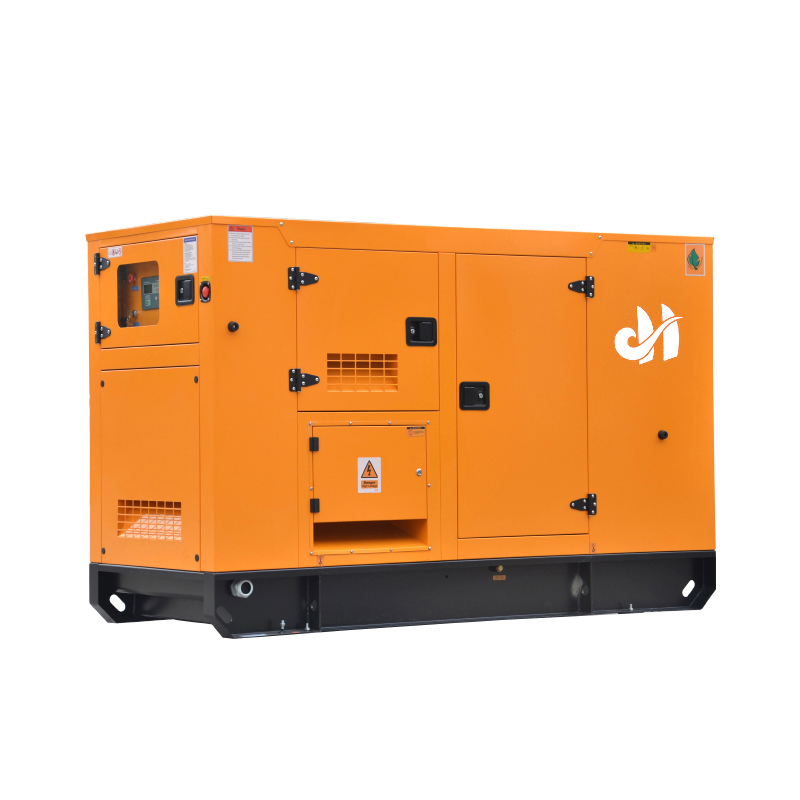
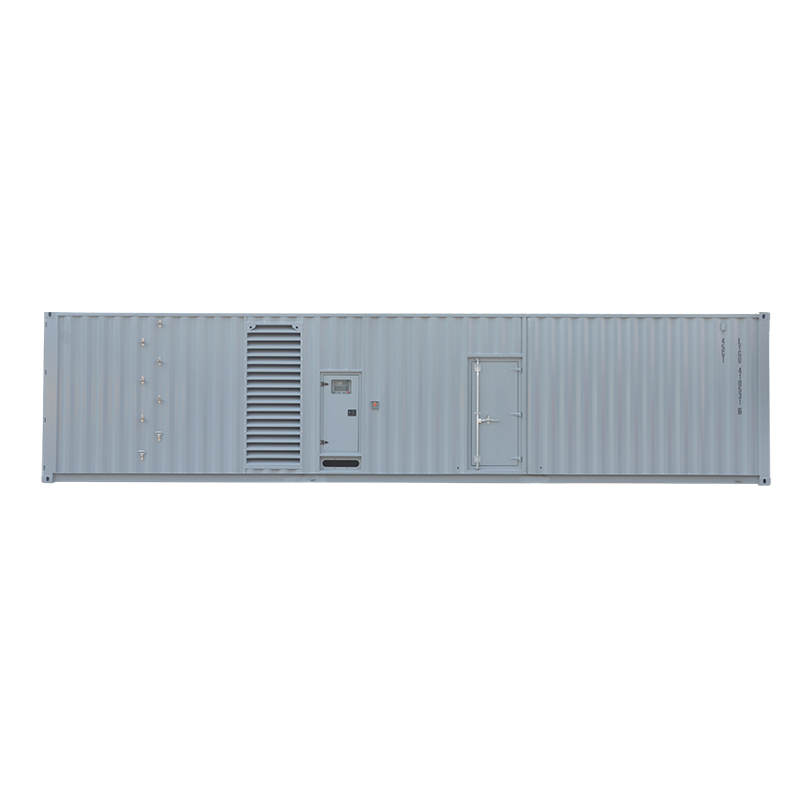 Containerized Genset Series for Mobile Power NeedsThis containerized genset line covers 1000–4000 kVA with standard container dimensions, suited for industrial, remote, and emergency backup sites. Its enclosed design makes refueling location and hot exhaust management important safety considerations.View Product →
How Long Should You Wait Before Refueling?
Most modern gensets have a cool-down timer that runs the engine unloaded for three to five minutes after a shutdown command. That cycle protects the turbocharger, but it is not the same as being safe to refuel. After the engine stops, exhaust surfaces stay hot for a long time; a turbocharger housing can remain above diesel's flash point for many minutes even with the engine off.
A practical rule is to shut down, let the cool-down cycle finish, and then wait until the exhaust side of the set no longer radiates obvious heat. For a genuinely conservative target, bring exhaust surface temperatures below 100 degrees Celsius before opening the cap, or simply follow the simpler, unforgettable habit: refuel before the run, not after it. For standby units, top the tank up when the set is cold and the site is calm, not during an outage while the load is connected.
A Field-Proven Refueling Procedure
Every site is different, but a safe refueling routine follows the same core steps. Post them where operators can see them, and follow them every time.
- Shut the generator down and let the cool-down cycle complete. Switch the control to OFF and apply lockout if your site requires it.
- Wait until hot surfaces have cooled significantly. Ten to fifteen minutes is a reasonable minimum after a loaded run.
- Wear suitable gloves and eye protection, and keep an absorbent spill kit within reach.
- Clean the area around the filler cap before opening it so nothing drops into the tank.
- Use a grounded nozzle and keep the nozzle tip in firm contact with the filler neck to prevent static discharge.
- Fill slowly and stop at about 90 to 95 percent of tank capacity, leaving room for fuel expansion.
- Replace the cap securely, wipe away any spill, and inspect the cap seal, tank breather, and fuel lines.
- Record the refueling in the maintenance log, and only then return the set to service or to automatic standby.
Never use open containers, never leave a nozzle unattended, and never rely on someone else's memory of what usually works. Diesel is not gasoline, but it burns; treat it with the same respect.
Fuel Management Around the Refueling Window
When you refuel matters almost as much as how you refuel. For standby sets, the best time is before a planned run or after the cooldown of a weekly exercise, not during an outage while the set is carrying load. During extended outages, well-run sites either transfer load to a second set for a few minutes or accept a short interruption so that refueling happens on a stopped engine. That policy belongs in the emergency operating procedure.
Keep storage tanks as full as practical to limit condensation, and treat the fuel periodically if the set sits for months. Water drops out of diesel overnight and collects at the bottom of the tank; it becomes the first thing the engine draws whenever a disturbance stirs the tank. Fuel testing, biocide treatment, and a realistic drain interval keep water and microbial growth away from the injection system.
How Generator Design Affects Safe Refueling
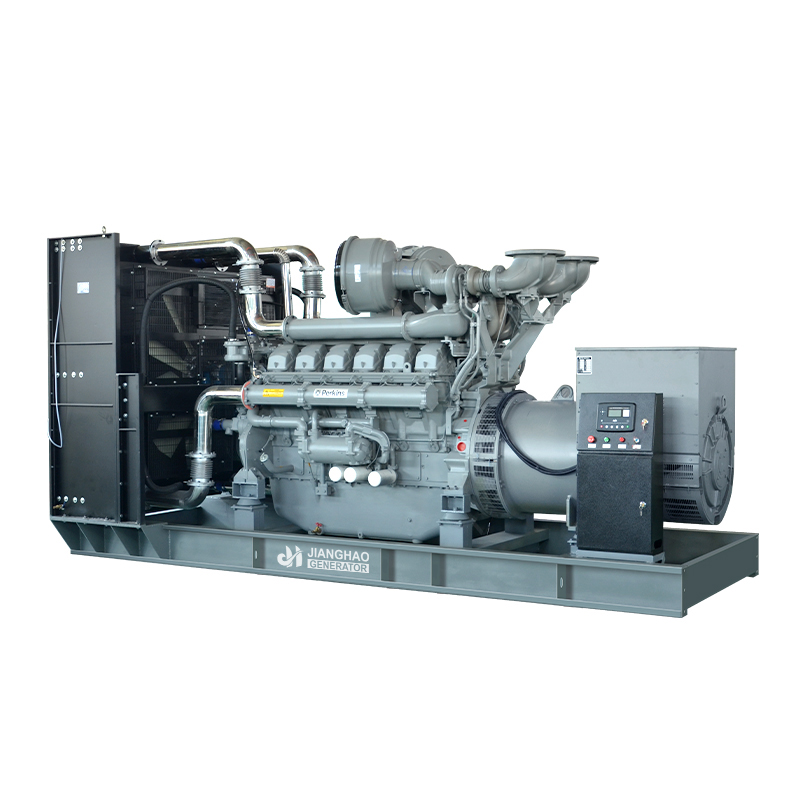
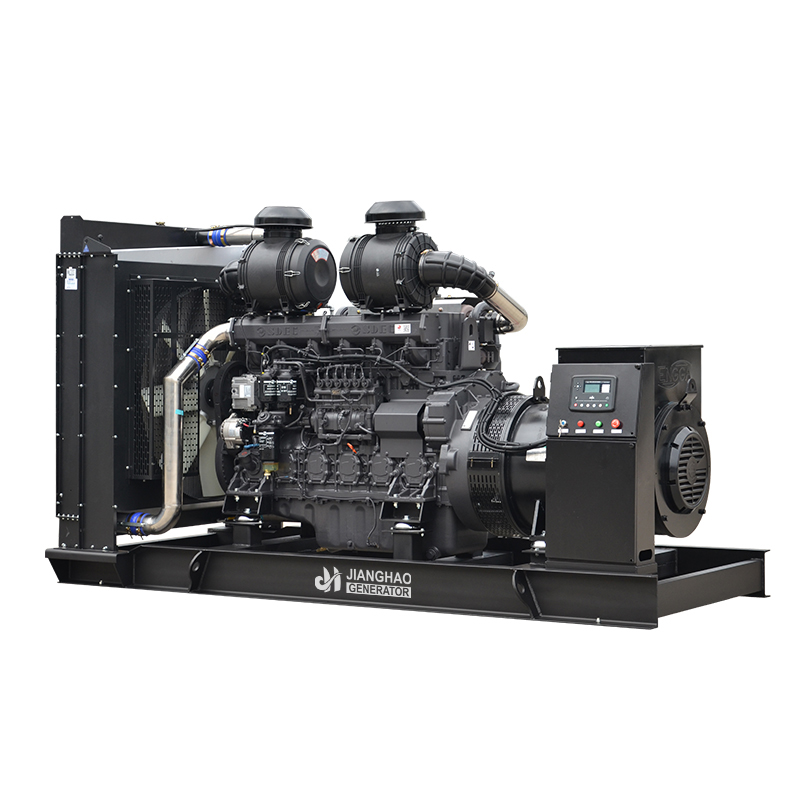
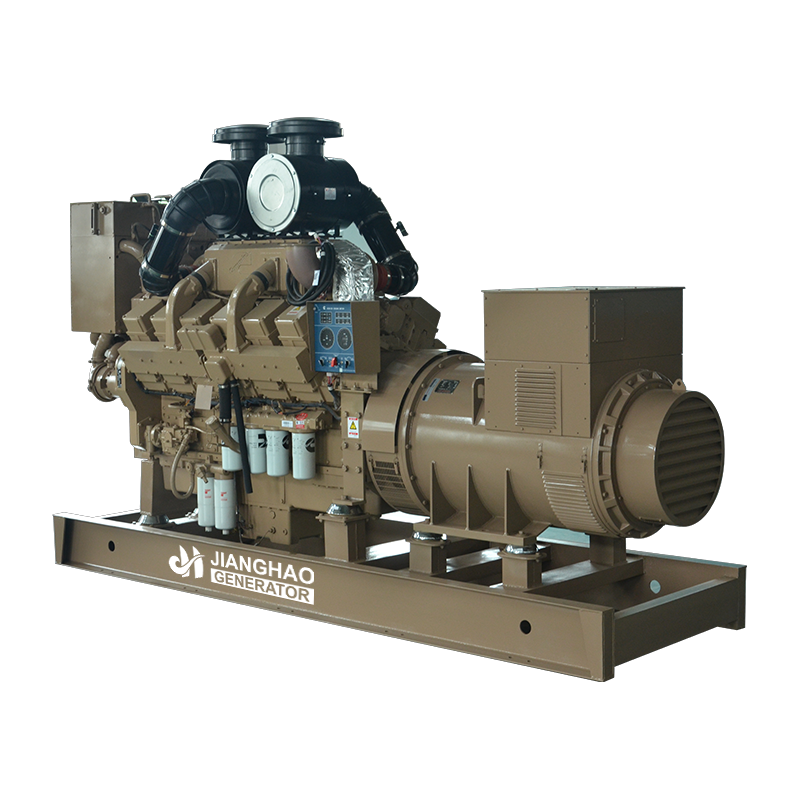
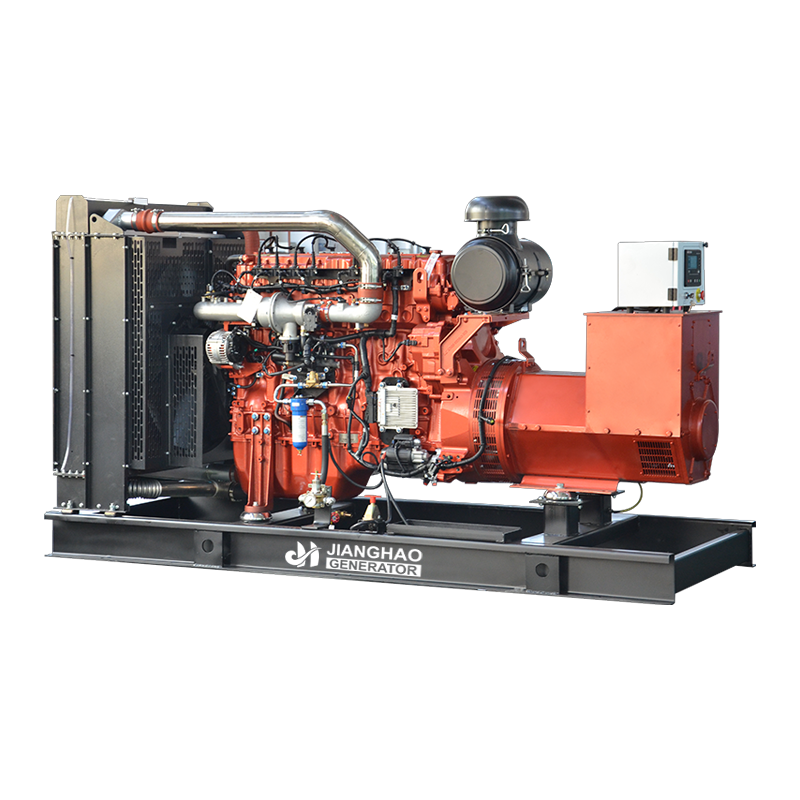
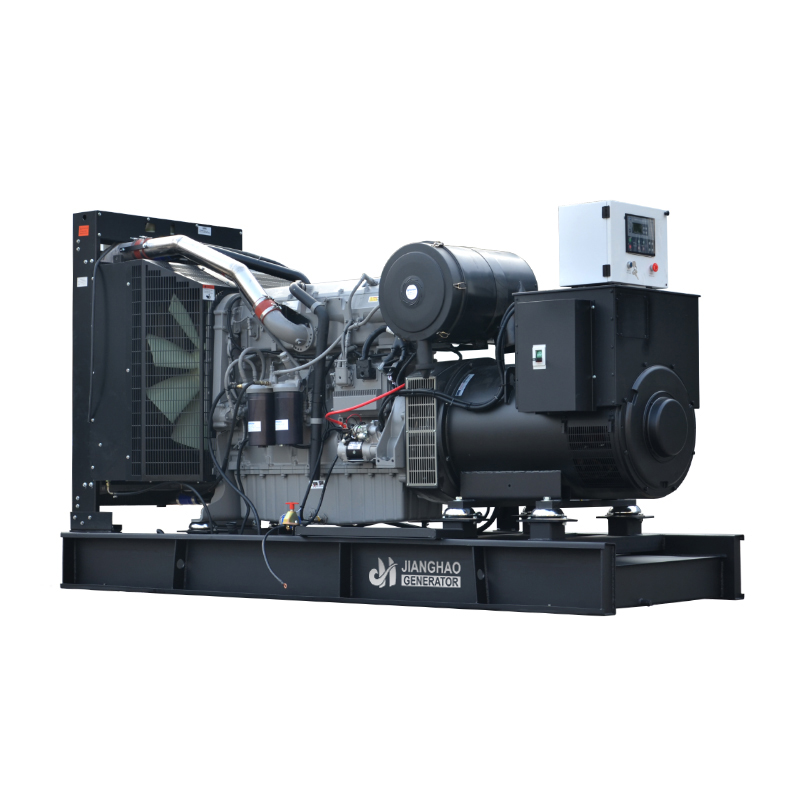
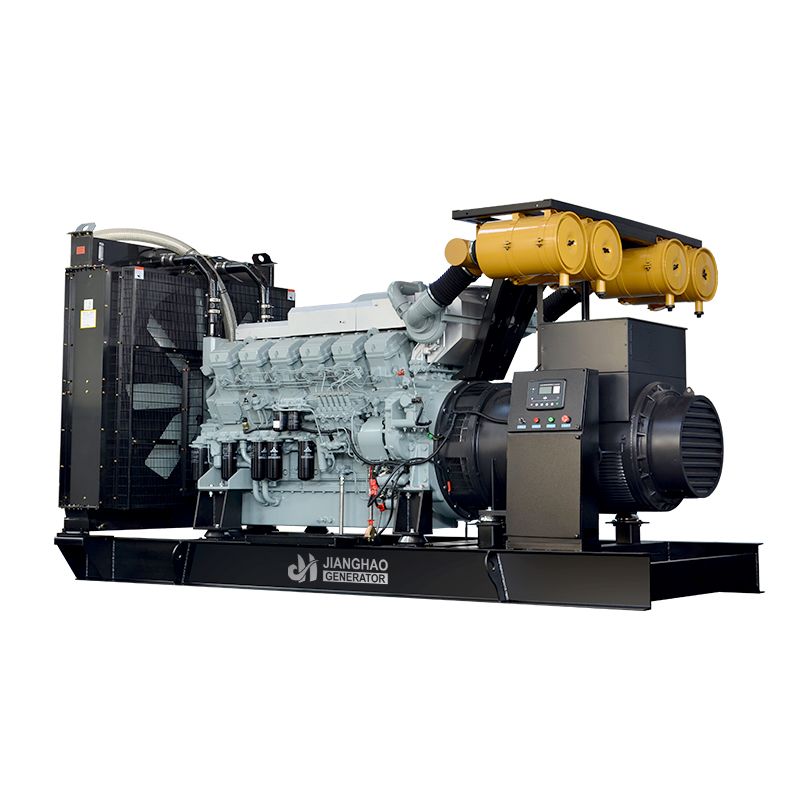
Open-frame sets give operators direct access to the fuel cap, but they also leave the exhaust system fully exposed. That combination is acceptable when the stop-engine rule is followed, and it makes inspection and cleaning easier. Enclosed and containerized sets place the filler in different positions; some fillers sit behind a service door inside the canopy, where spilled fuel lingers as vapor until the ventilation clears it. Containerized sets are usually refueled from a fuel truck, which shifts the risk from the nozzle to bonding and spill containment.
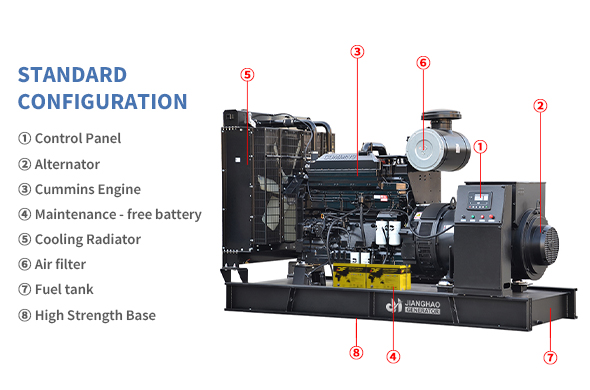 Open-Type Generator Sets from 8 to 4000 kVAOpen-type sets offer direct access to components and easy maintenance, with reinforced bases, anti-vibration pads, and intelligent sensors. Because the exhaust is fully exposed, safe fueling procedures remain essential in noise-tolerant environments like construction and industry.View Product →
For sites running larger fleets or refueling from bulk storage, the safer answer is often a custom fuel system: remote filler points placed away from hot components, day tanks with level monitoring, and leak detection. These are not exotic features. They are practical designs that a capable manufacturer can build into an order when the site demands them, which is one reason custom genset design pays for itself over the life of an installation.
Every refueling-related fire that gets investigated shares a common thread: someone was in a hurry. A written site rule, a sign at the fuel cap, and a supervisor who checks the procedure remove the pressure to cut corners. Stop engine before refueling is not a suggestion; it is the operating procedure.
Choose equipment that makes the safe routine easy to follow: an accessible filler, a sensible tank position, clear markings on the fuel system, and a manufacturer that provides the documentation to back up the procedure. Pay the same attention to the fueling routine as you do to the generator itself, and the set will be there when the grid is not.
 Jianghao Diesel Genset Manufacturer OverviewThis manufacturer provides diesel and gas generator sets from 3 kW to 3000 kW in silent, container, mobile, and automatic types, using well-known engines and generators. Their product range and export experience make them a relevant partner for reliable backup power systems.View Product →