 English
 русский
 Español
 عربى
عربىWorking Principle and Application Analysis of Diesel Generator Sets
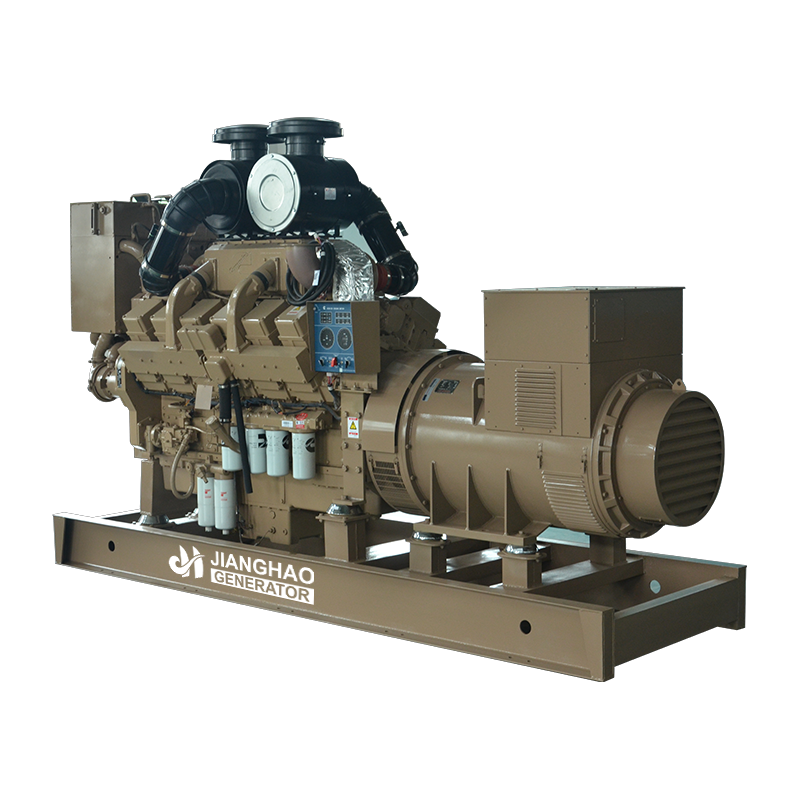
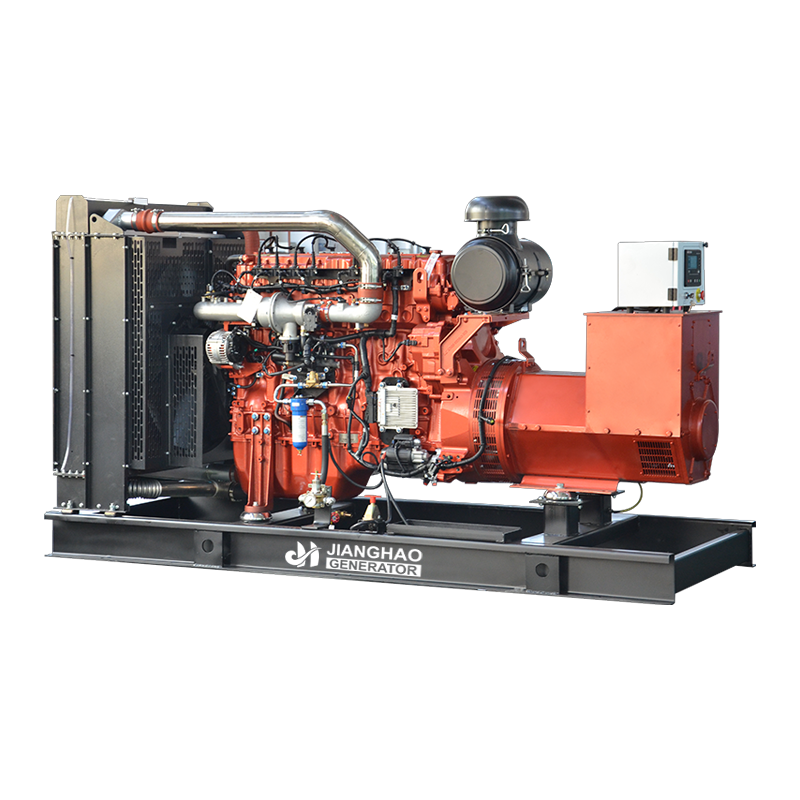
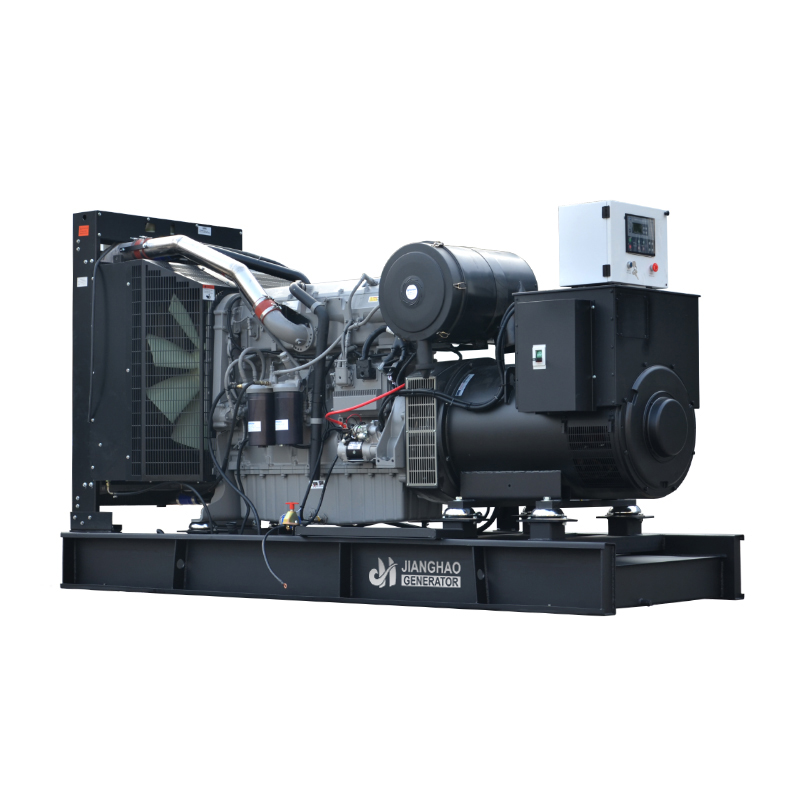
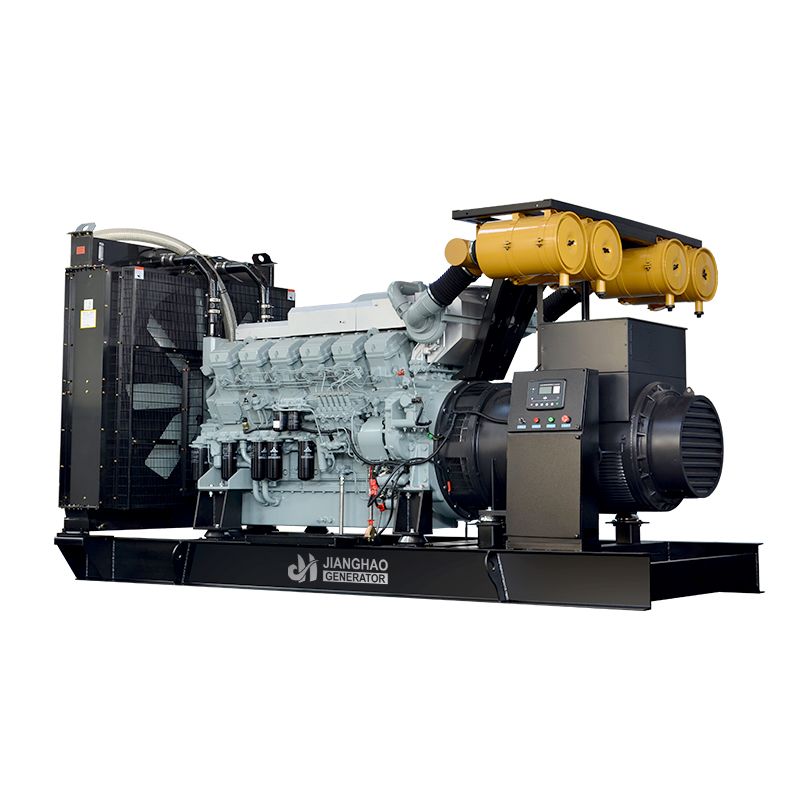
Diesel Generator Overview
Key Components of a Diesel Generator Set
Diesel Engine:
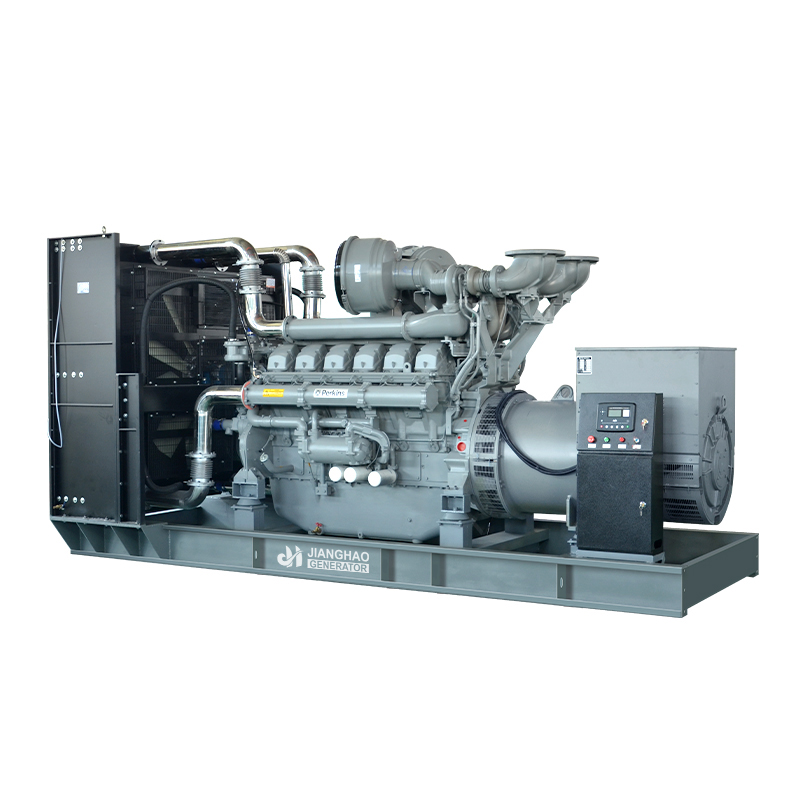
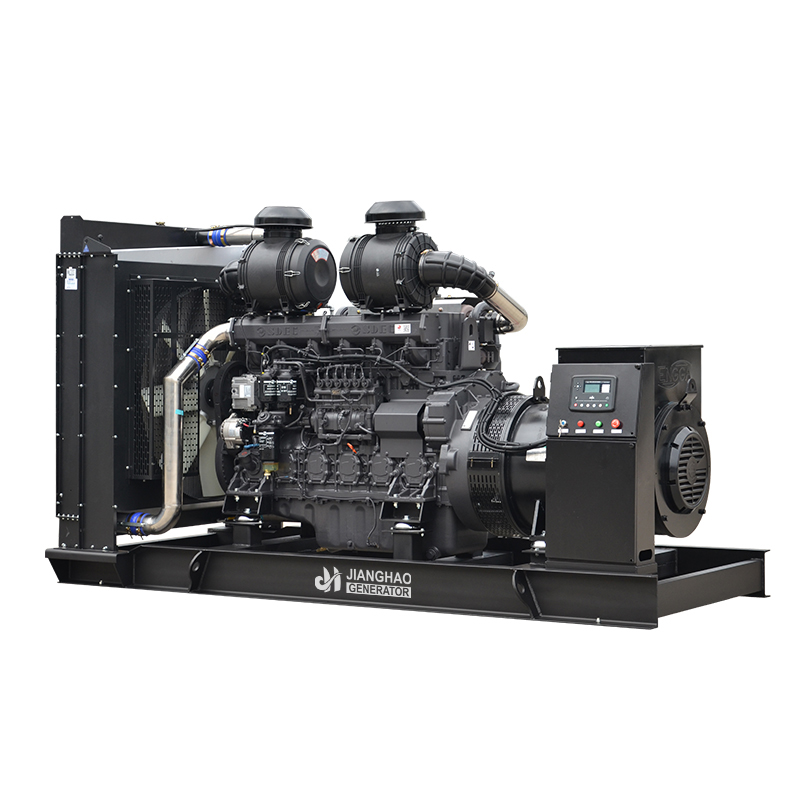
The diesel engine is the heart of the generator set, converting fuel (diesel) into mechanical energy. It operates through an internal combustion process, where air is compressed, fuel is injected, and the fuel ignites due to the high temperature, generating force to turn the engine’s crankshaft. The size and power of the engine determine the overall capacity of the generator set.
Cooling System: Diesel engines generate significant heat during operation, so an efficient cooling system (typically liquid-cooled or air-cooled) is essential to prevent engine overheating.
Lubrication System: Diesel engines require lubrication to reduce friction between moving parts, ensure smooth operation, and prolong engine life.
Alternator (Generator):
The alternator is responsible for converting mechanical energy from the diesel engine into electrical energy. As the engine turns the alternator's rotor, it creates a magnetic field that induces current in the stator. This electricity is then supplied to the load or external electrical system.
Excitation System: The alternator needs a source of excitation current to create the necessary magnetic field, typically powered by a small auxiliary generator or from the alternator itself.
Control Panel:
The control panel houses various monitoring and protection equipment, allowing operators to start, stop, and control the generator. It includes features like voltage regulation, frequency regulation, and overload protection.
Modern control panels may also include remote monitoring capabilities, providing operators with the ability to check parameters such as voltage, amperage, and engine temperature in real-time.
Fuel System:
Diesel generators rely on a well-maintained fuel system to deliver fuel to the engine for combustion. The system includes a fuel tank, fuel lines, fuel pump, and fuel filter, ensuring that clean, high-quality diesel fuel is delivered to the engine consistently. Some DG sets come with additional fuel filtration systems to extend the life of the engine and improve combustion efficiency.
Exhaust System:
The exhaust system carries away the gases produced during combustion. It also reduces noise, which can be a concern in residential areas or noise-sensitive environments. The system includes exhaust pipes, mufflers, and sometimes additional emission control devices to reduce pollutants.
Why Diesel Generator Sets Are Widely Used
Reliability and Durability:
Diesel engines are known for their long operational lifespans and ability to run for extended periods without failure. The robust design of diesel generator sets enables them to withstand tough working environments, including high temperatures, humidity, and heavy-duty use. This makes them ideal for critical applications such as hospitals, data centers, and telecommunications.
Fuel Efficiency:
Diesel generators offer better fuel efficiency than their gasoline counterparts, meaning they consume less fuel to generate the same amount of power. This is an important factor in both operational cost and environmental sustainability.
Versatility:
Diesel generators can be used in a wide variety of scenarios, from emergency backup power during grid failures, to remote site power generation where there is no access to electricity. This versatility is one of the key reasons for their widespread adoption in various industries.
Power Output Range:
Diesel generators come in various sizes and power capacities, from small portable models generating a few kilowatts (kW) to large, stationary industrial units capable of producing several megawatts (MW). This flexibility allows diesel generators to cater to a wide range of needs, whether for residential, commercial, or industrial applications.
Low Maintenance Requirements:
While diesel generators do require regular maintenance, the intervals between servicing are typically longer than for other types of generators. Routine maintenance tasks usually include changing the oil, checking the fuel system, and ensuring the cooling and exhaust systems are functioning properly. This contributes to lower overall maintenance costs over the generator's lifespan.
Instant Power Supply:
Diesel generators are known for their ability to provide instant power when needed. In emergency situations, where power outages are unexpected, these generators can start within seconds and begin supplying power, ensuring that critical operations continue without interruption.
Global Availability of Diesel:
Diesel fuel is readily available in most parts of the world, making diesel generators an accessible solution in virtually every country. The infrastructure for delivering and storing diesel fuel is widespread, ensuring that the generator set can operate continuously without the worry of fuel shortages.