 English
 русский
 Español
 عربى
عربىWhy is an Open Type Diesel Generator the Most Reliable Power Solution for Industrial and Commercial Infrastructure?
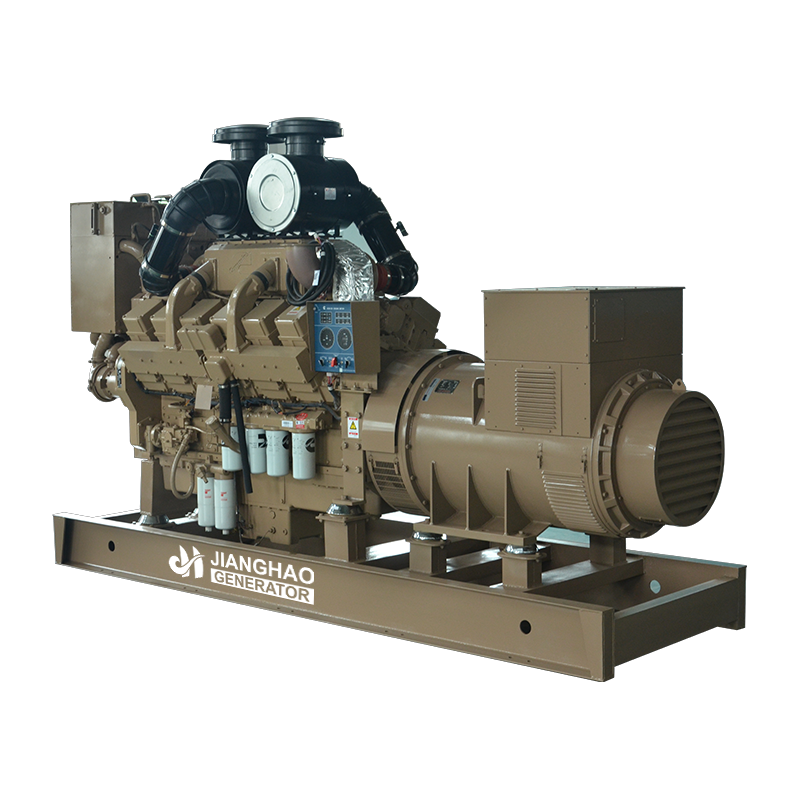
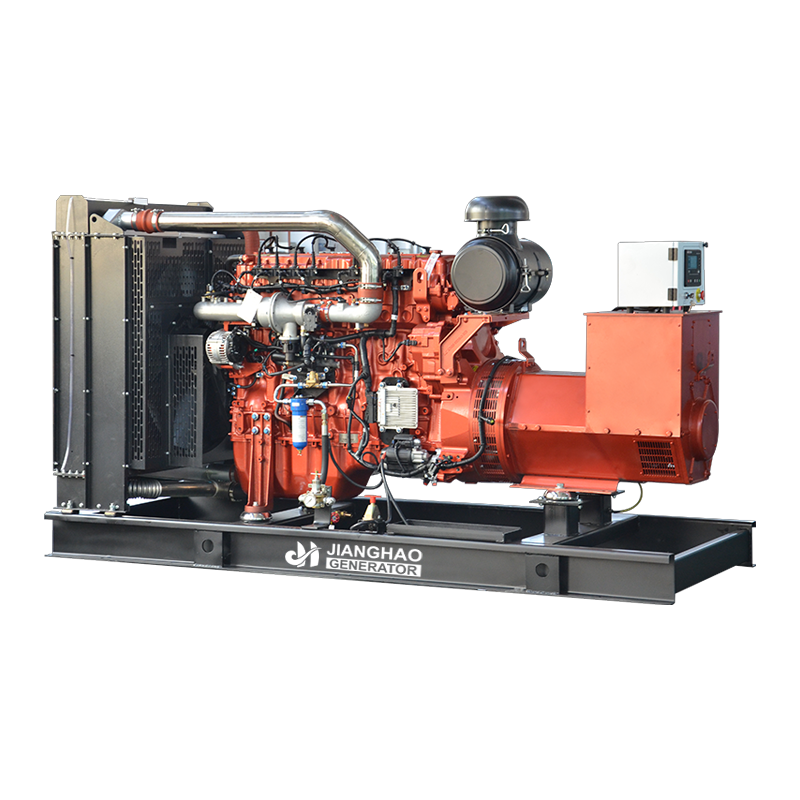
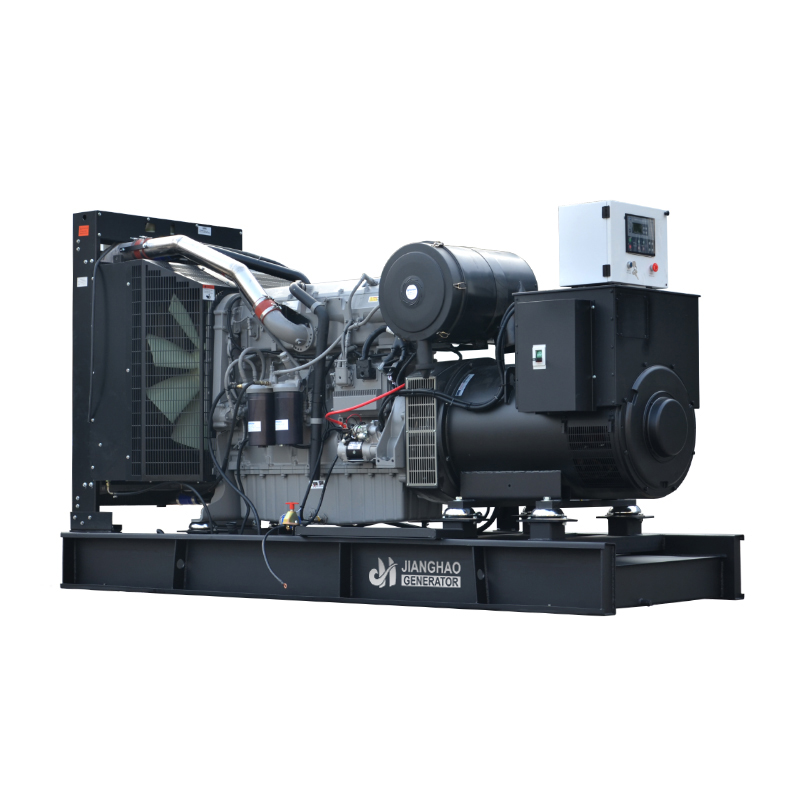
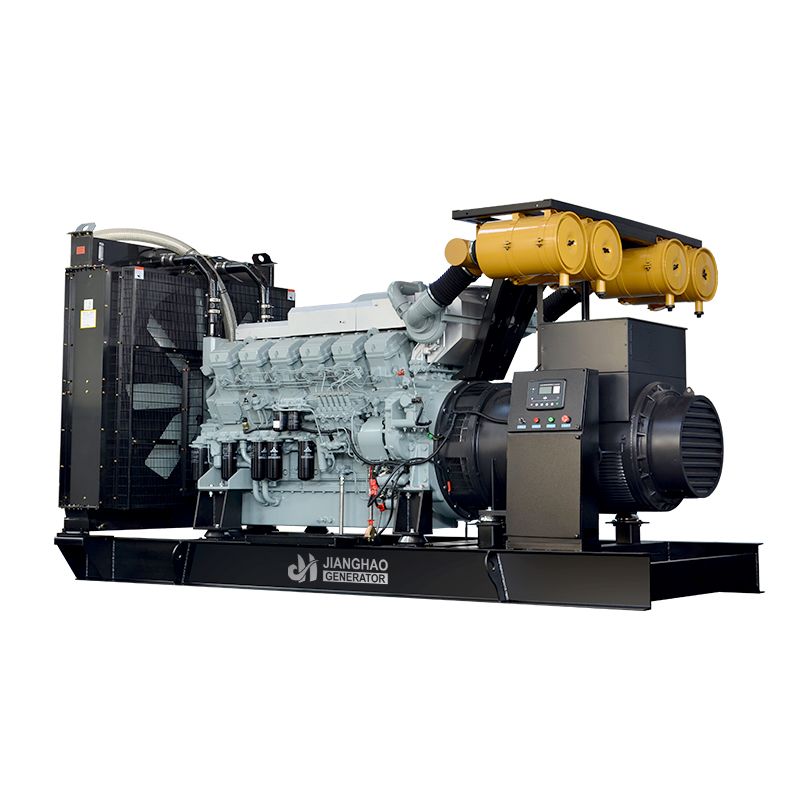
The selection of a primary or backup power system is a decision that impacts the operational continuity and safety of large scale facilities. Among the various configurations available in the energy sector, the open type diesel generator remains a preferred choice for stationary installations where high performance and ease of access are paramount. An open type diesel generator is essentially a power generation unit that is mounted on a rigid steel base frame without the addition of an acoustic enclosure or weather protective canopy. This design philosophy prioritizes mechanical transparency and thermal management over noise attenuation, making it an ideal solution for dedicated engine rooms, underground facilities, and industrial complexes where the environment is already managed for sound and safety. By removing the physical barriers of an enclosure, engineers and facility managers gain direct access to the core components, ensuring that the system can be monitored and maintained with precision.
The engineering logic behind utilizing an open type diesel generator centers on the efficiency of heat dissipation and the simplification of the installation process. In high demand environments such as hospitals, data centers, and manufacturing plants, the ability of a generator to run for extended periods without overheating is critical. The open configuration allows for unrestricted airflow around the engine block and alternator, facilitating a more natural exchange of thermal energy with the surrounding environment. This guide provides an in depth exploration of the structural components, thermal mechanics, and maintenance strategies that define the reliability of these units, offering a technical perspective on how they integrate into modern power grids.
Understanding the Structural Design and Core Components of the Open Type Diesel Generator
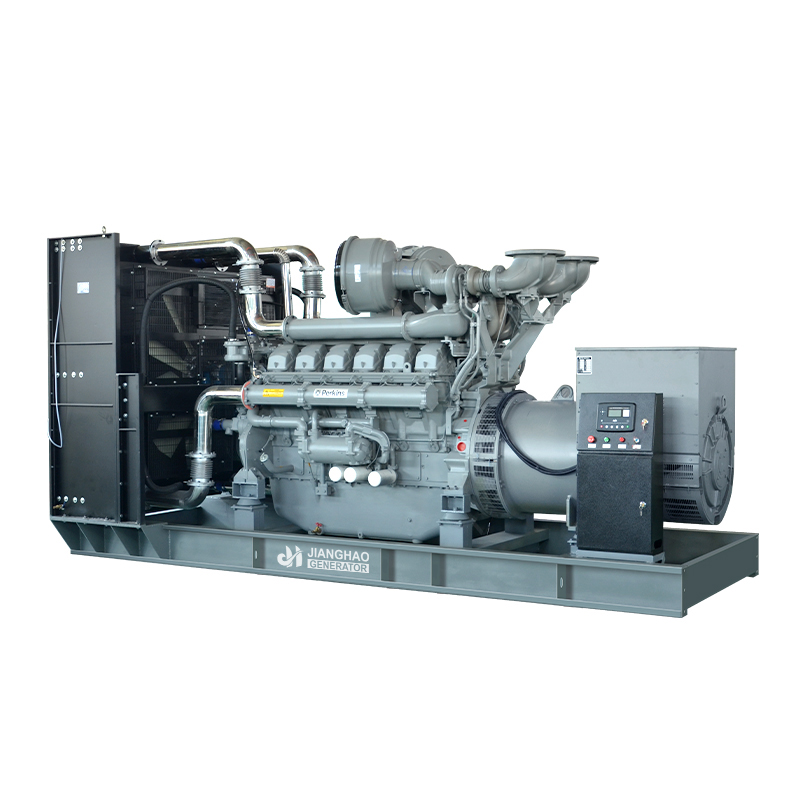
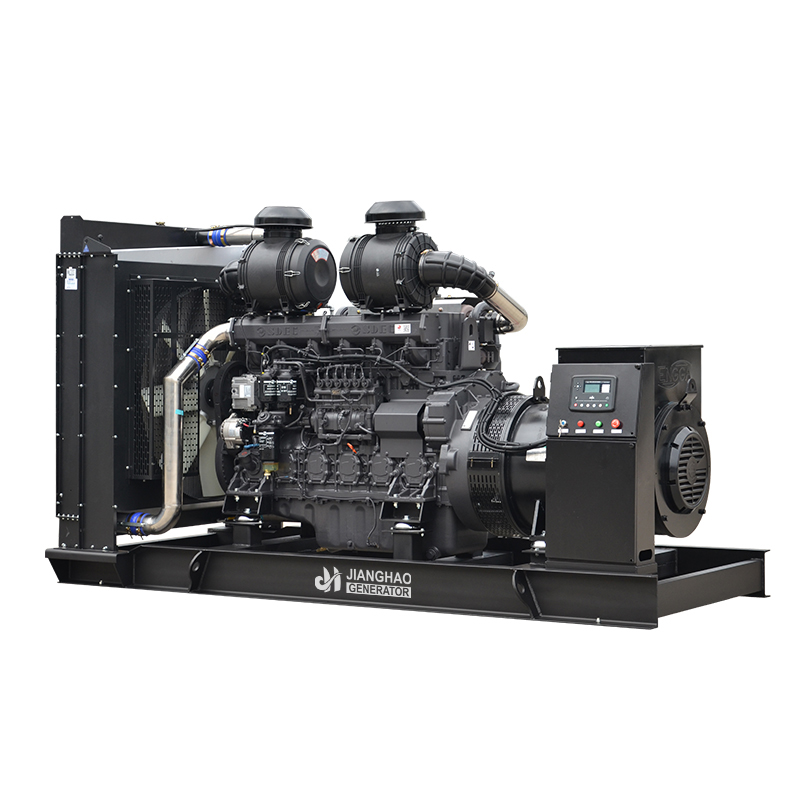
The foundational architecture of an open type diesel generator is designed to provide maximum stability and structural integrity under the intense mechanical stresses of power generation. Unlike portable or enclosed units that may prioritize aesthetics or noise reduction, the open unit is built for rugged durability. The core of the system consists of a high performance internal combustion engine coupled to a synchronous alternator, both of which are precision aligned on a heavy duty chassis. This arrangement ensures that the rotational energy of the engine is converted into electrical energy with minimal loss and vibration.
The Heavy Duty Steel Base Frame and Vibration Isolation
The base frame of an open type diesel generator serves as the primary structural backbone for the entire assembly. It is typically constructed from high strength carbon steel that has been welded and reinforced to prevent flexing or misalignment during operation. This frame must support the combined weight of the engine, the alternator, and the radiator, while also providing secure mounting points for the fuel tank and control system. Because the engine generates significant reciprocating forces, the base frame is equipped with high quality vibration isolation pads. These dampers are positioned between the engine mounts and the frame to absorb the kinetic energy and prevent vibrations from being transmitted to the building floor or the surrounding infrastructure.
In addition to structural support, the base frame of an open type diesel generator often incorporates an integrated fuel tank or a specialized basin to catch any potential fluid leaks. This environmental protection feature ensures that the facility remains clean and safe from slips or fire hazards. The frame is finished with a corrosion resistant powder coating or industrial grade paint, providing protection against the oils, coolants, and moisture that are common in industrial engine rooms. The open nature of the frame also allows for easy anchoring to a concrete plinth, ensuring that the generator remains stationary even during the high torque events associated with sudden load changes.
The Internal Combustion Engine and Power Generation Mechanics
At the heart of the open type diesel generator is the diesel engine, which is engineered to provide reliable torque across a wide range of operating conditions. These engines are typically multi cylinder, water cooled units that utilize direct injection and turbocharging to maximize fuel efficiency and power density. In an open configuration, every part of the engine is visible, from the fuel injection pumps to the turbocharger and exhaust manifold. This transparency allows operators to visually inspect the engine for signs of wear, such as oil seepage or loose belts, without the need to remove heavy access panels.
The engine is connected to the alternator through a flexible coupling or a direct flanged connection, depending on the size and design of the unit. The alternator is responsible for converting the mechanical energy into electricity through electromagnetic induction. In an open type diesel generator, the cooling fan of the alternator is clearly visible, allowing for easy verification of its operation. The open air environment ensures that the windings of the alternator stay within their thermal limits, even during continuous high load operation. This direct interaction between the engine and alternator, facilitated by a robust and accessible frame, is what makes the open type diesel generator a reliable workhorse for mission critical power applications.
Analyzing the Superior Cooling Efficiency and Thermal Management Advantages
One of the most significant technical advantages of an open type diesel generator is its superior ability to manage heat. All internal combustion engines produce a vast amount of thermal energy as a byproduct of the combustion process. In an enclosed generator, this heat can become trapped within the canopy, leading to elevated intake temperatures and reduced engine efficiency. An open unit avoids this issue entirely by allowing the heat to dissipate directly into the engine room, where it can be managed by the facility's overall ventilation system.
Unrestricted Airflow and Heat Dissipation Benefits
The cooling system of an open type diesel generator typically consists of a large radiator, a belt driven fan, and a coolant pump. Because there is no enclosure to restrict the movement of air, the fan can pull a massive volume of cool air through the radiator cores with minimal resistance. This high volume airflow is essential for maintaining the coolant temperature within the optimal range, particularly in hot climates or high altitude locations where the air is less dense. The unrestricted airflow also cools the exterior surfaces of the engine block and the exhaust system, reducing the radiant heat that could otherwise affect sensitive electronic components in the control panel.
Furthermore, the lack of an enclosure means that the intake air for the engine is not preheated by the engine's own operation. Cool intake air is denser, containing more oxygen per cubic centimeter, which allows for more efficient combustion and higher power output. This is a critical factor for the open type diesel generator when it is required to pick up a large load suddenly. By maintaining a lower ambient temperature around the engine, the thermal stress on the seals, gaskets, and hoses is significantly reduced, leading to a longer service life for these consumable components.
Managing Engine Temperature in High Load Environments
In industrial settings where the open type diesel generator may be running at near maximum capacity for several hours, thermal stability is the key to preventing a catastrophic shutdown. The open design allows for the installation of larger radiators or remote cooling systems that would be difficult to fit inside a standard canopy. This scalability ensures that the thermal management system can be tailored to the specific needs of the facility. For instance, if the generator room is located in a basement with limited airflow, the open configuration makes it easier to duct the hot air directly from the radiator to the outside world using high capacity fans.
Monitoring the temperature of an open type diesel generator is also more straightforward for the operator. Thermal sensors are easily accessible for calibration or replacement, and infrared thermography can be used to scan the entire unit for hot spots during operation. This level of thermal transparency ensures that any issues with the cooling system, such as a clogged radiator or a failing thermostat, are identified long before they cause the engine to overheat. The reliability of the thermal management in an open unit is a primary reason why it is chosen for applications where the cost of power failure is exceptionally high.
Exploring the Maintenance Accessibility and Long Term Operational Benefits
Maintenance is the most important factor in ensuring the longevity of any power generation system. The open type diesel generator is designed with the technician in mind, providing three hundred and sixty degree access to every nut, bolt, and filter. This accessibility reduces the time required for routine services and simplifies the process of making complex repairs, which in turn reduces the total cost of ownership over the life of the machine.
Simplified Routine Inspections and Component Replacement
Routine maintenance for an open type diesel generator involves changing the engine oil, replacing fuel and air filters, and inspecting the cooling system. In an enclosed unit, a technician must often squeeze through small access doors or remove entire panels to reach these service points. In contrast, the open type diesel generator allows the technician to stand directly next to the engine and work with full visibility and range of motion. This not only makes the work safer but also ensures that it is done more thoroughly, as there are no hidden areas where leaks or problems can go unnoticed.
The replacement of larger components, such as the starter motor, the water pump, or the charging alternator, is significantly easier on an open unit. There is no need to worry about clearance issues with a canopy, allowing for the use of standard tools and lifting equipment. This ease of access is especially beneficial during emergency repairs when every minute counts. Because the components are easy to reach, the risk of accidental damage to surrounding parts during a repair is minimized. For facilities that manage their own maintenance teams, the open type diesel generator is the most practical choice for ensuring that the equipment is always in top condition.
Reducing Downtime Through Direct Engine Access
Downtime is the enemy of any industrial operation. When an open type diesel generator requires service, the preparation time is nearly zero because there are no covers to remove. This means that troubleshooting can begin immediately. An experienced technician can often diagnose a problem simply by listening to the engine or observing the movement of the belts and pulleys while the unit is running. The open design facilitates the use of diagnostic tools, such as pressure gauges and electrical multimeters, which can be connected to various points on the engine and alternator without difficulty.
The long term operational benefits of this accessibility are substantial. Because the maintenance is easier to perform, it is more likely to be done on schedule. Regular maintenance prevents the small issues, such as a slightly worn belt or a minor oil leak, from turning into major failures that require extensive downtime. The open type diesel generator effectively removes the barriers to good maintenance, fostering a culture of proactive care that extends the operational life of the unit to twenty years or more in many cases.
Strategic Applications and Installation Requirements for Open Configuration Units
While the open type diesel generator offers many benefits, it must be installed correctly to ensure safety and efficiency. Because these units do not have built in sound insulation or weather protection, they are almost always installed indoors within a purpose built generator room. The design of this room is just as important as the design of the generator itself, as it must provide the necessary ventilation, exhaust management, and fire protection for the system to operate safely.
Designing the Ideal Generator Room Environment
The room for an open type diesel generator must be large enough to allow for easy movement around the unit for maintenance. It should be constructed with fire resistant materials and equipped with an automatic fire suppression system that is compatible with diesel engines. The floor must be designed to handle the weight of the generator and should be perfectly level to ensure the correct alignment of the engine and alternator. In many cases, the generator is mounted on a raised concrete pad to prevent damage from potential floor flooding and to provide a more ergonomic working height for technicians.
Noise management is a critical consideration for the installation of an open type diesel generator. Since the unit itself does not have an acoustic canopy, the room must be treated with sound absorbing materials on the walls and ceiling. Attenuators are typically installed at the air intake and discharge points to prevent noise from escaping the building. By containing the noise within the room, the facility can enjoy the technical benefits of an open generator without disturbing the surrounding environment. This approach is common in hotels and high rise office buildings where the generator is located in a basement or a mechanical penthouse.
Managing Exhaust Systems and Ventilation Logistics
Ventilation is the most complex part of installing an open type diesel generator. The room must have a constant supply of fresh air to support engine combustion and to carry away the radiant heat from the engine surfaces. This is usually achieved through large louvers and high velocity fans. The radiator discharge air, which can reach temperatures of sixty degrees Celsius or more, must be ducted directly out of the building. If this hot air is allowed to recirculate within the room, the generator will quickly overheat and shut down.
The exhaust system of an open type diesel generator must also be carefully engineered. The exhaust gases are extremely hot and contain harmful pollutants. A heavy duty silencer is installed in the exhaust line to reduce the noise of the combustion pulses, and the entire exhaust run should be insulated to prevent it from heating up the generator room. The exhaust pipe must be routed to a safe location outside, typically above the roof line of the building, to ensure that the fumes are dispersed safely. Proper installation ensures that the open type diesel generator can perform at its peak while maintaining a safe and comfortable environment for the rest of the facility.
Comparative Performance Analysis of Open and Enclosed Power Systems
To better understand the position of the open type diesel generator in the market, it is helpful to compare its performance across several key metrics with its enclosed counterparts. This comparison highlights the trade offs between accessibility and environmental protection.
|
Performance Metric |
Open Type Diesel Generator |
Enclosed/Silent Diesel Generator |
|---|---|---|
|
Cooling Efficiency |
Excellent; unrestricted natural airflow |
Moderate; relies on forced air within canopy |
|
Maintenance Access |
360-degree direct access to all parts |
Restricted; depends on door placement |
|
Installation Cost |
Lower; no expensive canopy required |
Higher; cost of acoustic materials and doors |
|
Noise Level |
High; requires soundproofed room |
Low; built-in sound attenuation |
|
Weather Protection |
None; must be installed indoors |
High; designed for outdoor use |
|
Heat Management |
Direct dissipation into the room |
Trapped heat within the enclosure |
|
Weight and Footprint |
Lighter and more compact |
Heavier and requires more ground space |
As shown in the analysis, the open type diesel generator is the clear winner in terms of cooling and maintenance. However, it requires a more significant investment in building infrastructure to manage noise and weather. For permanent installations where a mechanical room is available, the open unit provides a more robust and cost effective long term solution.
Safety Protocols and Operational Reliability in Industrial Power Systems
Safety is a non-negotiable aspect of operating an open type diesel generator. Because the moving parts and hot surfaces are exposed, operators must follow strict protocols when working near the unit. Modern open generators are equipped with advanced control systems that monitor every aspect of the machine's health, providing an extra layer of safety through automated protection features.
Control Systems and Automated Protection Features
The control system of an open type diesel generator is the brain of the unit. It is usually housed in a vibration resistant metal cabinet mounted on the base frame. This system monitors engine speed, oil pressure, coolant temperature, and electrical parameters like voltage and frequency. If any of these values move outside of the safe operating range, the control system will trigger an alarm or initiate an emergency shutdown to prevent damage. In an open unit, the wiring and sensors are easily accessible, making it simple to verify that the safety systems are functioning correctly.
Emergency stop buttons are strategically placed around the open type diesel generator so that it can be shut down instantly in the event of an accident. Furthermore, guard rails or safety cages can be installed around the rotating parts, such as the fan and the coupling, to prevent accidental contact. The transparency of the open design also makes it easier to spot potential safety hazards, such as a frayed wire or a leaking fuel line, before they lead to an incident. This combination of automated monitoring and physical visibility ensures a high level of operational safety.
Fuel Management and Storage Integrity
Reliable power generation depends on a clean and consistent supply of fuel. An open type diesel generator often features an integrated daily fuel tank in its base, but for long term operation, it is usually connected to a larger external bulk storage tank. The fuel lines and filters are clearly visible on an open unit, allowing for easy inspection of the fuel quality and the integrity of the connections. Because diesel fuel can degrade over time, the accessibility of the fuel system is essential for performing tasks like draining water from the primary filter or taking fuel samples for testing.
The fuel system must also be designed to prevent leaks and spills. Many open type diesel generator frames include a bunded area or a leak detection sensor that alerts the operator if fuel is escaping from the system. Maintaining the integrity of the fuel supply is critical for the reliability of the generator, as contaminated fuel is one of the leading causes of engine failure. By keeping the entire fuel path accessible and easy to inspect, the open type diesel generator ensures that the engine is always fed with the high quality fuel it needs to perform in an emergency.
The technical and operational advantages of the open type diesel generator make it a staple of the heavy power industry. By prioritizing mechanical simplicity and thermal efficiency, these units provide a level of reliability that is difficult to match in more complex, enclosed systems. For the engineer or facility manager tasked with protecting critical infrastructure, the transparency and performance of the open configuration offer the peace of mind that comes from knowing every component is accessible and every thermal limit is managed. As long as the installation environment is properly designed for noise and ventilation, the open type diesel generator remains one of the most effective tools for ensuring uninterrupted power in an increasingly demanding world.