 English
 русский
 Español
 عربى
عربىWhat is the life of a diesel generator set?
Determining the operational lifespan of a heavy duty power generation system requires evaluating mechanical engineering parameters, operating environments, fuel quality, and scheduled maintenance rigor. For facility managers, electrical engineers, and industrial plant managers, understanding how long a stationary or mobile power asset will perform reliably is vital for long term capital planning and risk mitigation. On average, a well maintained industrial power generation unit delivers an operational life between fifteen thousand and fifty thousand running hours, which translates to anywhere from fifteen to thirty years of calendar service depending on annual usage rates and application ratings.
The service life of power equipment is not governed merely by chronological age, but rather by accumulated running hours, thermal cycles, load profiles, and internal mechanical friction wear. Standby emergency units that run only during utility grid failures and monthly test runs accumulate hours slowly, whereas prime power units running continuously in off grid locations accumulate thousands of operating hours annually. Analyzing structural engine design, load application dynamics, fluid health, and manufacturer engineering protocols allows asset managers to accurately project useful service life and optimize equipment overhaul schedules.
Baseline Operational Lifespan and Service Rating Classifications
The structural longevity of an emergency or continuous power system depends significantly on its certified operational rating class. Manufacturers design internal combustion engines and alternators around specific duty cycles, thermal limits, and mechanical stress tolerances.
Operating Hours versus Calendar Years in Longevity Estimates
When assessing equipment longevity, operating hours provide a far more precise metric than calendar years. A stationary standby unit located at an office facility might log only fifty to one hundred operating hours per year during power outages and routine weekly tests. At this low accumulation rate, the mechanical components of the engine block, crankshaft, and pistons could remain structurally viable for thirty years or longer.
Conversely, a prime power unit operating on an isolated industrial site might run twelve to twenty hours daily, accumulating four thousand to seven thousand operating hours each year. For such continuous applications, major engine overhauls become necessary within three to six years of initial installation. While metal components inside low hour units resist friction wear over decades, rubber seals, synthetic hoses, cooling fluids, and electrical insulation slowly degrade over calendar time regardless of operating hours. Balance between physical mechanical wear and chemical component aging defines overall equipment longevity.
Standby Emergency Power versus Prime Continuous Operating Ratings
Power generation assets are classified into standard operating categories that establish baseline expectation thresholds for longevity and duty cycles. Emergency standby units are engineered to supply emergency power during main utility outages, with typical annual operating limits specified between two hundred and five hundred hours. Standby engines operate with varying load factors, utilizing structural safety margins to deliver maximum power output during utility emergencies.
Prime power units operate as the primary electrical source where public grid power is unavailable or unreliable. These systems are engineered to handle continuous variable loads with unlimited annual operating hours. Continuous baseload units operate at constant full rated loads for indefinite periods. Because prime and continuous engines are constructed with heavier internal components, reinforced cylinder liners, and enhanced cooling capacities, they achieve significantly higher total hour thresholds before requiring major structural rebuilds compared to standard emergency standby engines.
The Impact of Running Hours and Thermal Cycles on Engine Wear
Every time an engine starts from a cold ambient condition, accelerates to full operating speed, and accepts high electrical load, internal components experience rapid thermal expansion. Thermal cycling causes cylinder heads, engine blocks, exhaust manifolds, and valve guides to expand and contract unevenly. This mechanical expansion creates internal stress across head gaskets, cylinder seals, and structural metal joints.
Continuous long duration operation at steady thermal equilibrium actually generates less structural fatigue per running hour than frequent brief starts. Cold starts present heightened friction risks because engine lubricating oil has drained back into the sump pan, leaving metal bearing surfaces, cylinder walls, and valve trains temporarily dry during initial cranking seconds. Installing jacket water coolant heaters maintains uniform engine block temperatures, reducing startup thermal shock and extending internal mechanical component life.
Expected Lifespan Profiles of Industry Leading Generator Sets
Engine architecture, metallurgical composition, and manufacturing quality create distinct service life profiles across top tier global engine manufacturers.
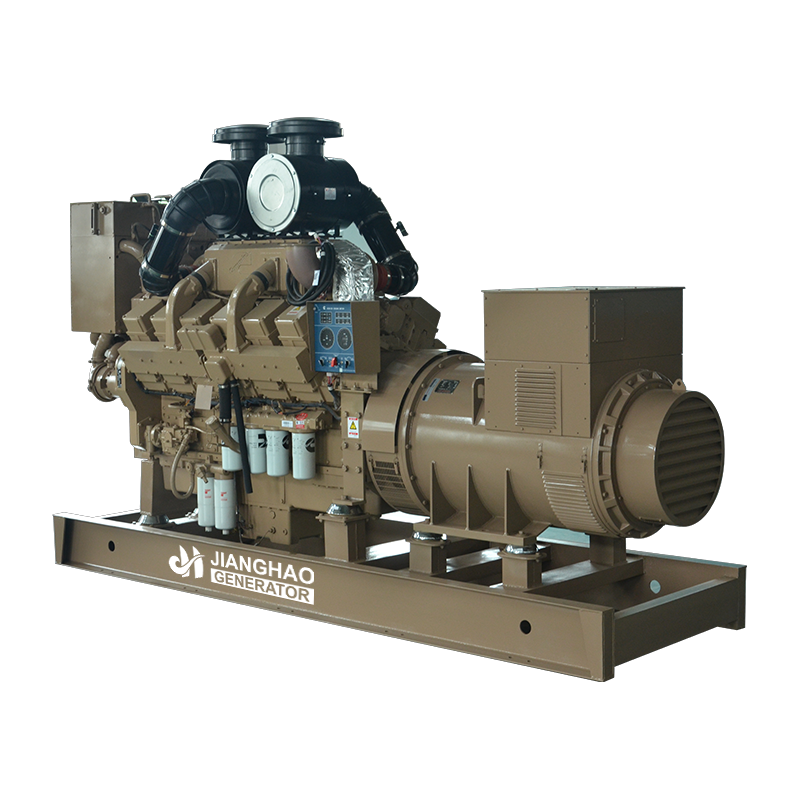
Cummins diesel generator sets Engineering Design and Durability Profile
Among global power infrastructure installations, Cummins diesel generator sets are widely recognized for robust mechanical construction, high power density, and extensive field service longevity. Cummins engines feature heavy duty cast iron cylinder blocks, forged steel crankshafts, and advanced fuel injection systems designed to withstand heavy continuous operational demands.
Under standard standby operating conditions with regular maintenance, Cummins diesel generator sets routinely achieve twenty thousand to thirty thousand operating hours prior to requiring a major engine overhaul. In prime power and continuous industrial applications, these units frequently surpass twenty five thousand hours of reliable operation. Structural features such as wet replaceable cylinder liners, premium main bearing alloys, and integrated gear driven oil pumps allow technical teams to perform in frame engine overhauls, effectively resetting operational hour clocks and extending total chassis service life well beyond thirty years.
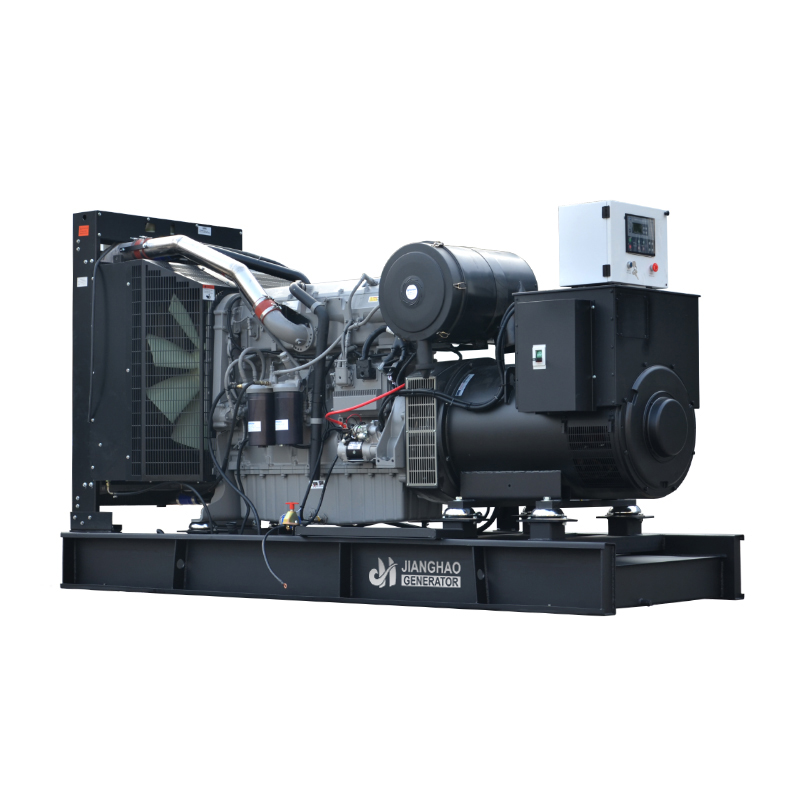
Perkins diesel generator sets Reliability Characteristics and Operational Hours
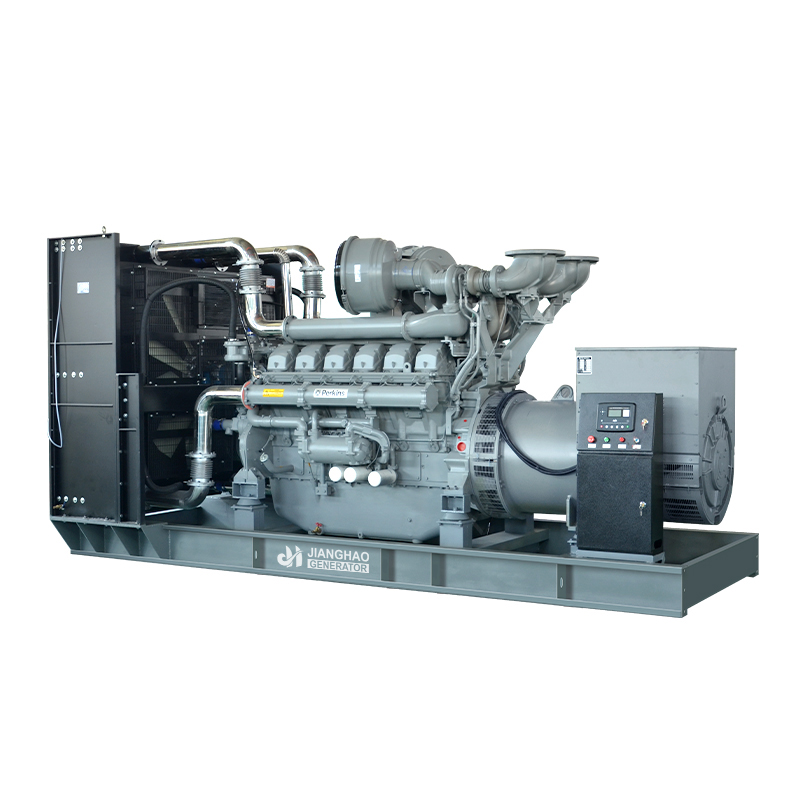
Originating from heavy industrial engineering traditions, Perkins diesel generator sets deliver exceptional operational durability across agricultural, commercial, and industrial power applications. Perkins power units are engineered with high tolerance internal clearances, efficient combustion chambers, and robust mechanical or electronic fuel metering assemblies.
A typical standby installation utilizing Perkins diesel generator sets can be expected to deliver fifteen thousand to twenty five thousand operational hours under diligent maintenance schedules. In continuous prime power scenarios, mid range and large displacement Perkins engines consistently maintain stable compression, low oil consumption, and high thermal efficiency through twenty thousand hours of severe service. Their mechanical simplicity, paired with high resistance to thermal stress, minimizes unexpected component failure and ensures long term power stability.
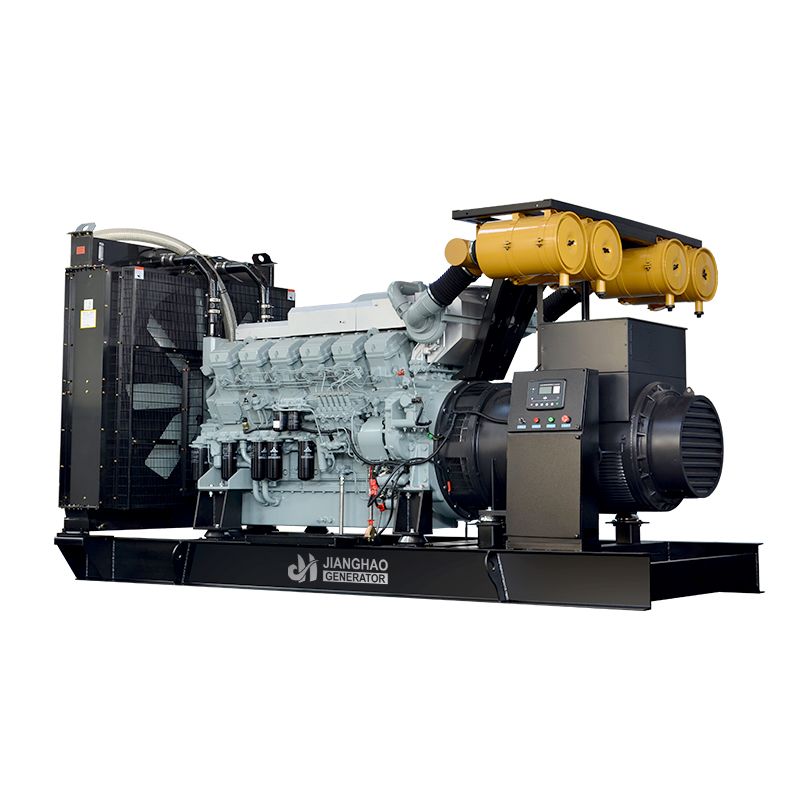
MTU Diesel Generator Sets Industrial Longevity and Heavy Duty Performance
Representing high capacity industrial power engineering, MTU Diesel Generator Sets are built for mission critical applications such as large hospital complexes, major data centers, financial hubs, and heavy manufacturing facilities. MTU power units feature sophisticated common rail fuel injection, individual cylinder heads, sequential turbocharging, and advanced electronic engine management control.
Engineered to rigorous industrial standards, MTU Diesel Generator Sets often set upper limits for operational hour longevity. Under prime and continuous operating profiles, these heavy duty engines frequently operate between thirty thousand and forty thousand hours before requiring comprehensive major overhauls. Their heavy cast frame structures, advanced bearing metallurgy, and efficient cooling distribution networks provide high resistance to mechanical wear and structural thermal deformation across long operational cycles.
Core Mechanical Factors Influencing Generator Set Service Life
Beyond engine manufacturer design, several key operational variables directly dictate how rapidly internal mechanical wear accumulates within a power generation system.
Engine Load Profiles and the Dangers of Light Load Running
Operating a power generation unit under light electrical load represents one of the most common causes of premature engine degradation. Internal combustion engines are designed to operate most efficiently between sixty percent and eighty five percent of their total rated capacity. When a unit runs consistently below thirty percent load, internal combustion temperatures drop below optimal thresholds required for complete fuel burn.
Low combustion temperatures prevent piston rings from expanding fully against cylinder walls, allowing unburned fuel and lubricating oil to leak past piston rings into the exhaust manifold. This condition, known as wet stacking, leads to heavy carbon buildup on valve stems, injector nozzles, and turbocharger turbines. Over time, wet stacking causes cylinder wall glazing, severe oil dilution, loss of compression, and premature internal mechanical failure. Maintaining proper load profiles through routine load bank testing prevents wet stacking and preserves cylinder wall cross hatch hone patterns.
Lubrication System Integrity and Oil Degradation Physics
Engine oil is the primary defense against internal friction wear, bearing destruction, and localized overheating. Lubricating oil forms a microscopic hydro-dynamic film between rotating journals, connecting rod bearings, camshaft lobes, and valve lifters.
During engine operation, lubricating oil is subjected to severe mechanical shear forces, elevated temperatures, soot contamination, and chemical oxidation. As oil additives deplete, viscosity breaks down, reducing the protective oil film thickness between moving metal parts. Soot particles held in suspension can agglomerate into abrasive sludge, causing accelerated wear on crankshaft main bearings, wrist pins, and timing gears. Routine oil replacement and bypass filtration preserve film strength, keeping metal wear rates within microscopic thresholds.
Fuel Quality Contamination and Combustion Chamber Health
The quality of fuel introduced into high pressure injection systems directly impacts combustion efficiency and component longevity. Modern electronic fuel systems utilize extremely high injection pressures through microscopic nozzle orifices to achieve clean, efficient fuel atomization.
Fuel contaminated with water, particulate dirt, microbial growth, or high sulfur levels causes severe damage to fuel delivery infrastructure. Water presence induces rapid rust formation inside precision fuel pumps and triggers localized cavitation erosion on fuel injector tips. Particulate matter acts as an abrasive lap, wearing down internal pump plungers and enlarging injector orifice holes. Uneven fuel spray patterns cause hot spots on piston crowns, leading to thermal cracking, ring sticking, and catastrophic piston burn through. High efficiency fuel filtration and water separation systems are imperative to protect combustion integrity.
Thermal Management and Cooling System Heat Dissipation Efficiency
Continuous power generation produces immense thermal energy that must be dissipated rapidly through the engine cooling system. Overheating accelerates oil breakdown, distorts cylinder head mating surfaces, degrades rubber hose compounds, and causes metal thermal expansion that can result in piston seizure.
Cooling systems rely on an effective mix of high purity water and glycol coolant, supplemental coolant additives to prevent liner pitting, a mechanically driven water pump, and a clean radiator core. Scale formation inside internal cooling jackets creates insulating barriers that trap heat inside cylinder head castings. Cavitation erosion caused by microscopic vapor bubble implosions can pit outer cylinder liner walls, allowing coolant to mix with crankcase oil. Maintaining proper coolant chemistry and airflow through radiator cooling fins prevents thermal destruction.
Environmental Operating Conditions and Site Placement Impacts
The physical environment where a standby or prime generator set is installed exerts constant operational stress on surrounding enclosures, electrical windings, and structural engine components.
Ambient Temperature Extremes and Altitude Power Derating
Operating in ambient environments featuring high temperatures or elevated altitudes creates operational challenges that affect power output and service life. High ambient air temperatures lower intake air density, reducing combustion efficiency and raising internal exhaust gas temperatures.
Elevated altitude similarly decreases atmospheric air density, limiting oxygen availability required to burn fuel cleanly. Operating equipment at high altitudes or extreme ambient heat without proper power derating forces turbochargers to overspeed and increases engine thermal loading. High ambient heat also accelerates insulation degradation within alternator stator windings, shortening electrical generator operational life. Proper site sizing ensures the unit operates within safe thermal and mechanical design boundaries.
Dust Ingress Particulate Contamination and Filtration Barriers
Facilities located near arid deserts, mining operations, agricultural fields, or heavy industrial zones contend with high volumes of airborne dust, sand, and particulate debris. If abrasive silica dust passes through intake air filters, it enters combustion chambers and mixes with cylinder wall oil films.
Silica particles act as an intense grinding compound against piston rings, cylinder liners, and valve seats, causing rapid loss of compression and severe crankcase blowby within a fraction of its normal operating lifespan. Heavy dust accumulation on radiator fins restricts cooling airflow, leading to high engine operating temperatures. Installing multi stage heavy duty air filtration assemblies and secondary pre cleaners is essential in high dust operating environments.
Moisture Accumulation Humidity Control and Substation Corrosion
High environmental humidity and coastal salt spray environments introduce severe corrosion hazards to both mechanical frames and electrical systems. Unheated idle standby generators experience internal condensation as ambient temperatures fluctuate, causing moisture to collect inside engine crankcases, fuel storage tanks, and alternator enclosures.
Moisture inside fuel storage tanks encourages anaerobic bacterial growth that clogs fuel filters and produces corrosive acids. Inside alternators, high humidity lowers winding insulation resistance, leading to electrical shorts and stator winding failures when the unit energizes. Installing internal anti condensation space heaters within generator control panels and alternator housings keeps internal temperatures above dew points, preventing corrosive moisture buildup during extended idle periods.
Preventive Maintenance Protocols to Extend Engine Working Life
Implementing a structured preventive maintenance program represents the single most effective operational strategy to reach maximum service life capability.
Fluid Analysis Programs and Oil Sampling Schedule Protocols
Scheduled fluid analysis provides a non invasive diagnostic window into internal engine health without disassembling major mechanical structures. Taking regular oil samples every two hundred fifty operating hours or every six months allows laboratory technicians to measure wear metal concentrations in parts per million.
Tracking elevated levels of copper, iron, lead, chrome, or aluminum identifies accelerated wear across main bearings, piston rings, rocker arms, and valve guides before catastrophic mechanical failures occur. Fluid analysis also detects fuel dilution, coolant leaks, and soot accumulation levels. Early detection of chemical contamination allows maintenance teams to fix minor seal leaks or injector defects before severe structural engine damage develops.
Periodic Load Bank Testing and Wet Stacking Elimination
For emergency standby power systems that operate for short duration testing cycles under negligible load, annual load bank testing is vital. A resistive load bank applies a controlled artificial electrical load to the power system, raising internal engine combustion temperatures to full design levels.
Running a standby generator set at seventy five percent to one hundred percent of its rated capacity for two to four continuous hours burns off accumulated carbon deposits from valves, piston ring grooves, and turbocharger vanes. This thermal cleanup process eliminates wet stacking residue, restores smooth cylinder wall cross hatching, verifies cooling system heat rejection capability, and ensures the engine is fully prepared to handle true emergency power loss events.
Cooling System Flushing and Radiator Core Maintenance
Cooling systems require periodic chemical flushing and fluid replacement to maintain high heat transfer rates across internal engine jackets and radiator heat exchangers. Coolant corrosion inhibitors deplete over time, leaving metal surfaces vulnerable to rust, scale, and cavitation pitting.
Flushing the cooling system every two to three years removes loose scale and sediment from internal fluid passages. Simultaneously, external radiator fins must be cleaned using low pressure air or chemical washing solutions to remove dirt, insects, and oil film buildup. Maintaining clean internal and external cooling paths ensures heat is transferred efficiently into ambient air, preserving stable engine operating temperatures.
Valve Lash Adjustments and Fuel Injector Calibration
Engine valve trains and mechanical fuel injection systems undergo subtle dimensional changes as valve seats, pushrods, rocker arms, and follower rollers experience micro wear. Incorrect valve lash clearances alter intake and exhaust valve timing, reducing volumetric efficiency and increasing thermal stress on valve heads.
Checking and adjusting valve lash settings every one thousand to two thousand operating hours restores precise valve opening and closing timing. Concurrently, fuel injectors should be tested and recalibrated periodically to verify correct opening pressures and spray patterns. Well calibrated injectors ensure complete fuel atomization, low exhaust emissions, stable combustion, and reduced thermal loading on pistons.
Major Overhaul Indicators versus Equipment Replacement Decisions
Despite rigorous preventive maintenance, every internal combustion engine eventually reaches a mechanical state where major structural restoration becomes necessary.
Top End Overhaul versus Complete Engine Remanufacturing
Restoring an aging power generation system involves two primary levels of mechanical intervention, including top end overhauls and complete engine remanufacturing overhauls. A top end overhaul focuses on structural components located above the engine block frame.
During a top end overhaul, technicians remove cylinder heads to reface valve seats, replace valve guides, install fresh head gaskets, inspect turbochargers, and service fuel injectors. This intermediate service is typically performed at approximately half of the engine expected major overhaul life. A complete engine remanufacturing overhaul requires fully disassembling the engine block to replace main bearings, rod bearings, cylinder liners, pistons, wrist pins, and front end gear trains, effectively restoring the engine to zero hour mechanical standards.
Diagnostic Indicators Signalling Structural Mechanical Fatigue
Determining whether an engine requires immediate major overhaul involves evaluating key mechanical operational metrics rather than relying solely on operating hour counters. Clear diagnostic indicators of advanced engine fatigue include:
-
Persistent high crankcase pressure or excessive blowby smoke escaping from the breather tube, signaling worn piston rings or scored cylinder liners.
-
Unexplained increase in lubricating oil consumption accompanied by continuous blue exhaust smoke during normal load operation.
-
Gradual loss of baseline lubricating oil pressure under normal operating temperatures, indicating worn main and connecting rod journal bearings.
-
Presence of high wear metal particles, such as copper, lead, or tin, confirmed through consecutive laboratory oil analysis reports.
-
Reduced compression pressure across individual engine cylinders, causing rough idle stability and loss of load acceptance performance.
Economic Valuation and Calculating Capital Replacement Metrics
When a heavy duty power generation set reaches its designated hour threshold or exhibits major wear symptoms, asset managers must choose between funding a major engine rebuild or purchasing a completely new replacement power system.
This capital decision requires analyzing total rebuild costs against new equipment acquisition, physical removal, crane fees, structural site modifications, and updated electrical system integration. Rebuilding an existing high quality engine frame typically costs thirty percent to fifty percent of purchasing a new unit. However, if the existing alternator windings exhibit low insulation resistance, the main control cabinet is obsolete, or local environmental regulations require compliance with stricter exhaust emission standards, investing in a new generator set presents a superior long term financial value.
Operational Lifespan Matrix Across Industrial Scenarios
Evaluating service life expectations across varied operational scenarios provides structural clarity for capital budgeting and maintenance planning.
Step by Step Long Term Life Extension Operational Protocol
Following a systematic operational workflow throughout the lifespan of a power asset maximizes reliability, prevents unexpected downtime, and achieves upper design hour limits.
Initial Commissioning Verification and Break In Procedures
The path toward achieving maximum service life begins during initial installation and commissioning. Installing team personnel must verify that structural foundations are level, vibration isolators are unblocked, and exhaust piping is supported independently without placing mechanical weight on the engine turbocharger flange.
During initial startup, running the engine through controlled incremental load steps establishes proper seating for new piston rings against cylinder liners. Avoiding prolonged idling during initial break in hours prevents early cylinder wall glazing. Verifying correct electrical phase alignment, jacket heater operation, and automatic transfer switch signaling sets the baseline foundation for long term operational success.
Routine Daily and Weekly Visual System Audits
Operational teams should establish simple visual inspection protocols conducted weekly or prior to any scheduled engine run. These routine checks identify emerging physical defects before they escalate into serious mechanical failures.
-
Inspect liquid levels, including engine crankcase oil level, cooling fluid level, and day tank fuel reserves.
-
Examine all flexible coolant hoses, fuel supply lines, and oil lines for signs of weeping, surface cracking, or loose hose clamps.
-
Verify that battery charger systems maintain proper float voltage and battery terminals are free from white lead sulfate corrosion.
-
Inspect generator air intake louvers and surrounding spaces to ensure unobstructed airflow into radiator cores.
-
Check control panel display screens for active diagnostic trouble codes or historical fault alerts.
Scheduled Major Service Interventions and Component Overhauls
As accumulated operating hours build over years of active service, major maintenance interventions must be scheduled in advance according to engine manufacturer guidelines.
At two hundred fifty to five hundred hours, perform complete engine oil and filter replacements, fuel filter changes, and coolant filter swaps. At one thousand to two thousand hours, conduct valve lash inspections, drive belt tension adjustments, and air filter element replacements. Upon reaching five thousand to ten thousand hours, inspect turbocharger bearing clearances, replace water pumps, service starter motors, and test alternator winding insulation resistance using megohmmeter testing. Following this disciplined maintenance schedule ensures that high capacity assets deliver continuous, predictable emergency and prime power across decades of service.