 English
 русский
 Español
 عربى
عربىWhat Defines the High-Performance Configuration of an Open Type Diesel Generator?
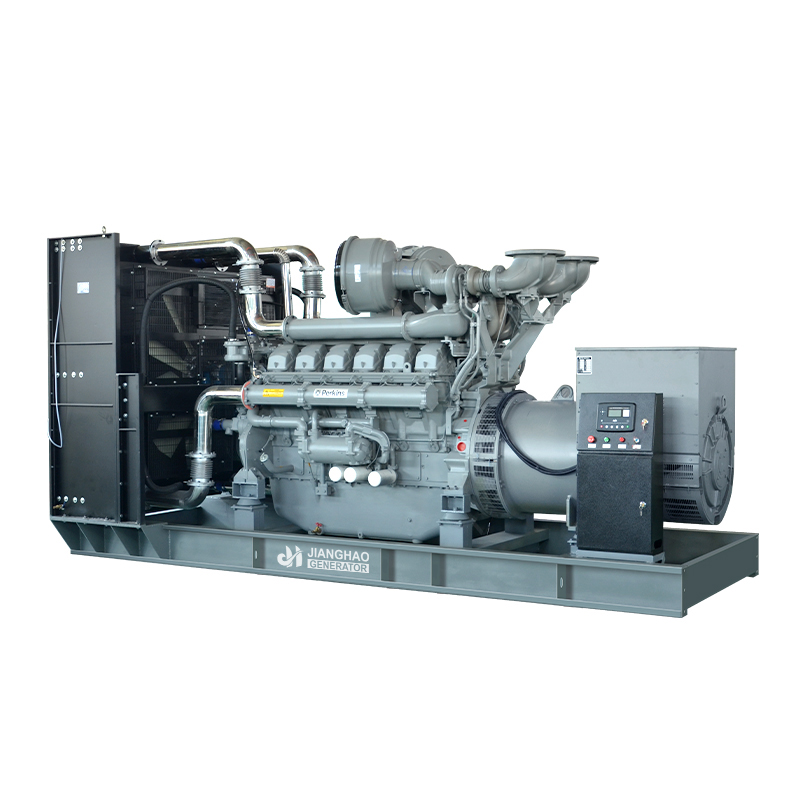
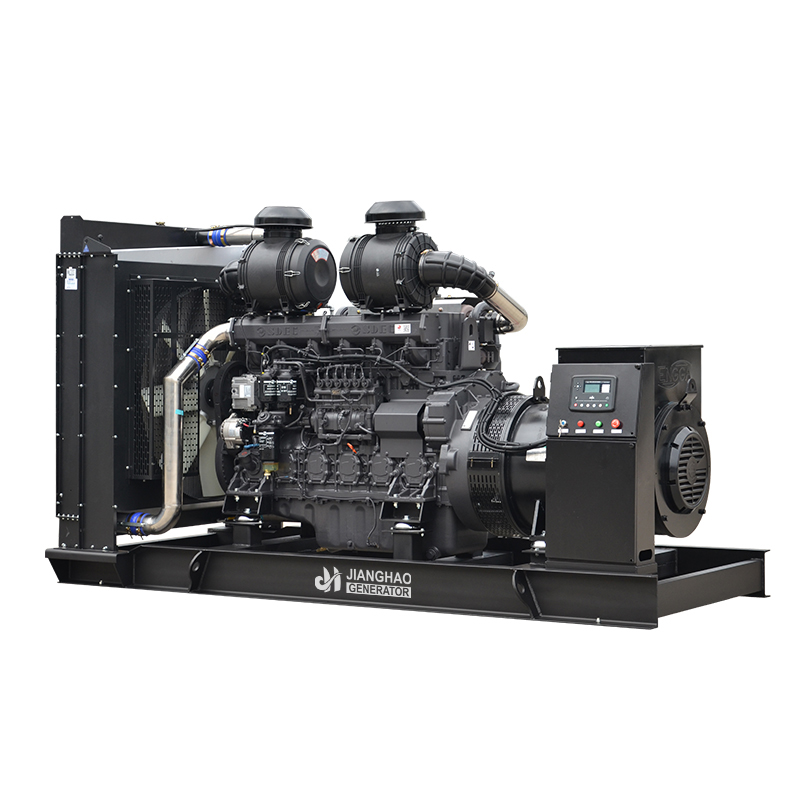
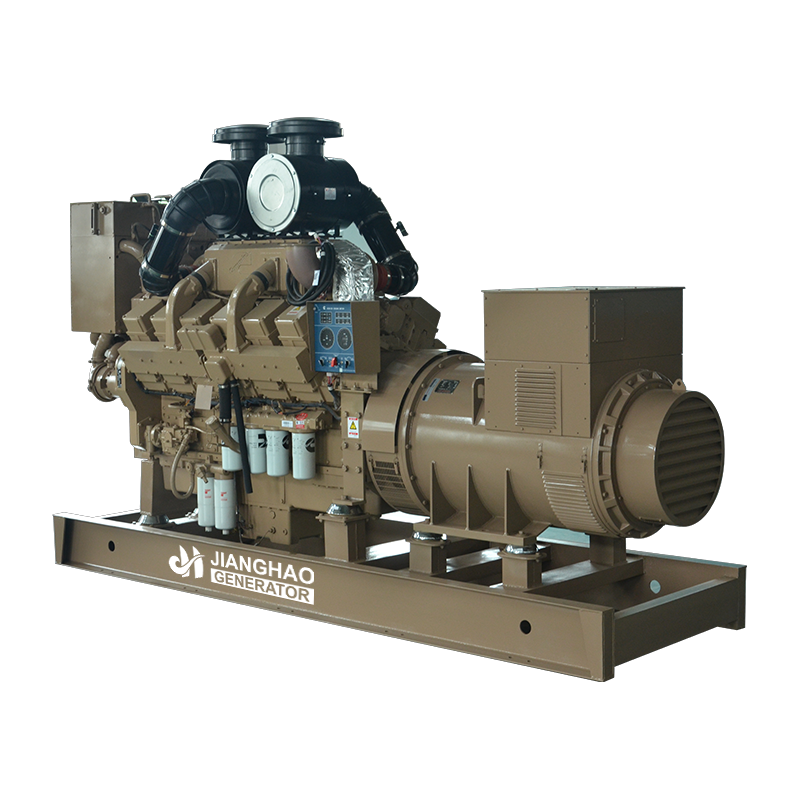
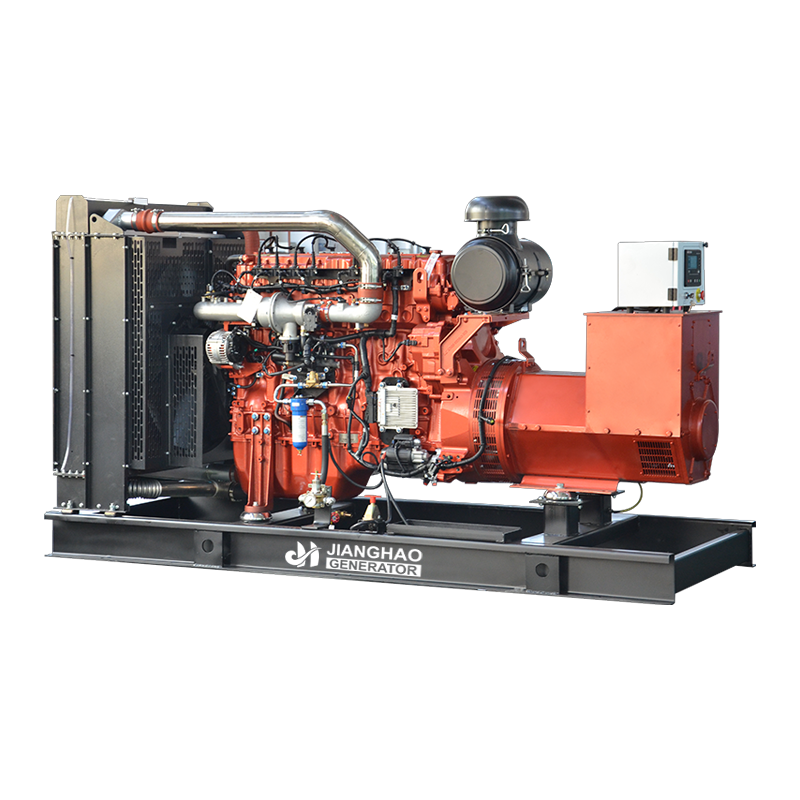
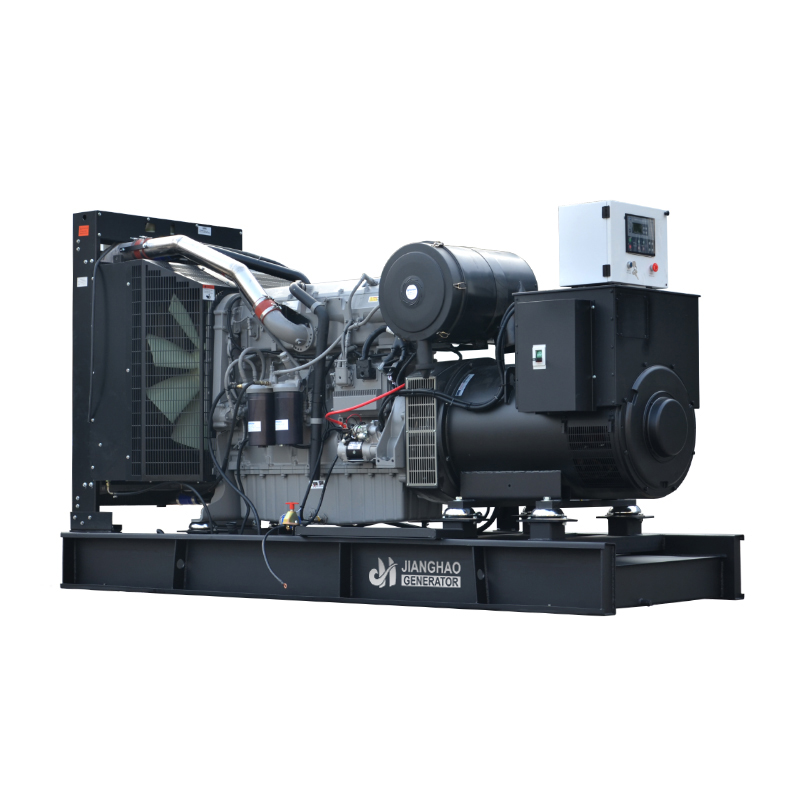
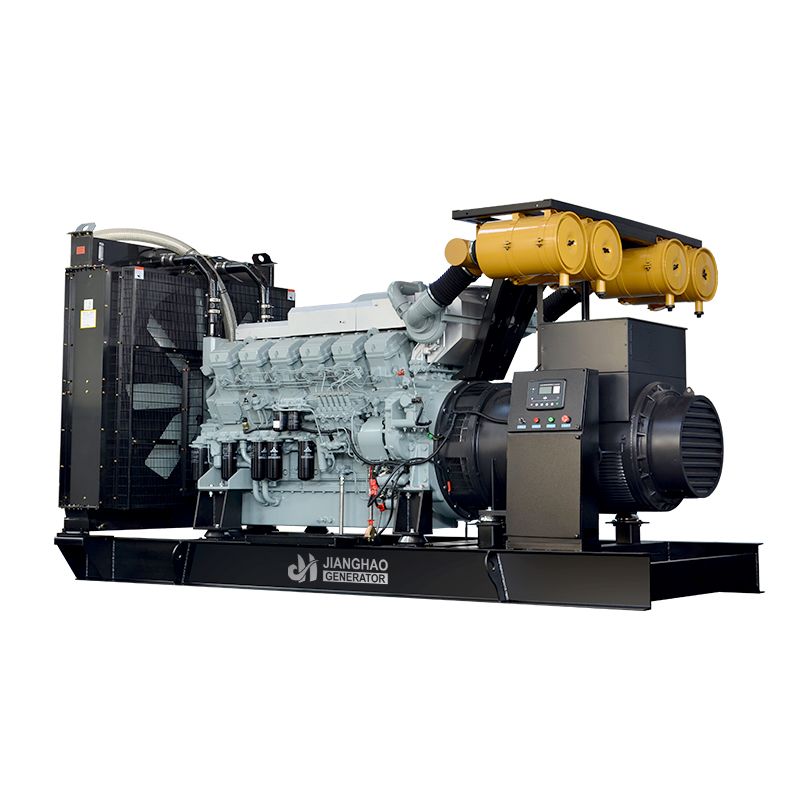
The Open Type Diesel Generator serves as a critical power solution for industrial environments, construction sites, and remote facilities where a dedicated engine room is available. Unlike its silent counterparts, the Open Type Diesel Generator is characterized by its exposed framework, which facilitates maximum airflow and unhindered access to the engine and alternator for maintenance. This design is engineered for heavy-duty cycles, focusing on structural rigidity, heat dissipation efficiency, and ease of integration into existing power grids. A robust Open Type Diesel Generator typically consists of a high-torque diesel engine coupled to a brushless synchronous alternator, all mounted on a heavy-duty steel base frame equipped with integrated fuel tanks and vibration dampers. The transparency of its design allows operators to monitor fluid levels and mechanical movements in real-time, making it the preferred choice for technical teams who prioritize performance and serviceability over acoustic dampening.
What Are the Core Mechanical Components and Engineering Foundations of an Open Type Diesel Generator?
The structural integrity of an Open Type Diesel Generator depends on the precision engineering of its three main pillars: the internal combustion engine, the electrical alternator, and the rigid base frame. Each component must be synchronized to handle the massive mechanical stresses of rapid load changes.
-
The Prime Mover and Combustion Efficiency: The heart of any Open Type Diesel Generator is its multi-cylinder diesel engine. These engines are designed for "Prime Power" or "Standby Power" ratings, often featuring turbocharging and after-cooling systems to optimize the air-to-fuel ratio. In an "Open Type Diesel Generator," the absence of a canopy means the engine can utilize a larger, high-efficiency radiator. This allows the cooling fan to move massive volumes of air across the engine block without the static pressure resistance found in enclosed units. Modern fuel injection systems, such as Common Rail technology, are integrated to ensure that the Open Type Diesel Generator maintains low fuel consumption while providing instantaneous response to transient loads. The engine's governor—whether mechanical or electronic—plays a vital role in maintaining a constant frequency (50Hz or 60Hz), ensuring the stability of the electrical output.
-
Synchronous Alternator and Voltage Regulation: Connected to the engine via a flexible disc coupling, the alternator of an Open Type Diesel Generator converts mechanical rotation into electrical energy. Most high-spec models utilize brushless, self-excited alternators with Class H insulation. The "Automatic Voltage Regulator" (AVR) is a critical sub-component that monitors the output voltage and adjusts the exciter field current to maintain a steady voltage level, typically within ±1% of the rated output. Because an Open Type Diesel Generator is often used in dusty industrial environments, the alternator windings are typically treated with anti-corrosive and anti-humidity resins. The open design facilitates superior cooling of the windings, preventing heat buildup that could lead to insulation failure during prolonged high-load operations.
-
The Heavy-Duty Base Frame and Vibration Isolation: A defining characteristic of the Open Type Diesel Generator is its structural steel base. This frame is not merely a carrier; it is an engineered foundation designed to minimize harmonic vibrations. "Anti-vibration mountings" (AVMs) are strategically placed between the engine/alternator feet and the base frame. These high-grade rubber or spring-type isolators absorb up to 95% of the mechanical vibration, preventing structural fatigue and ensuring the longevity of connected pipes and electrical cables. Furthermore, the base frame of an Open Type Diesel Generator often incorporates an integrated "daily fuel tank" capable of supporting 8 to 12 hours of continuous operation at 75% load, featuring a reinforced design to prevent leaks and structural deformation.
To understand the typical technical configuration of these units, refer to the following specification table:
|
Technical Parameter |
Standard Specification |
Industrial Heavy Duty |
High-Output Variant |
|---|---|---|---|
|
Cooling Method |
Water-Cooled Radiator |
Water-Cooled w/ Tropical Radiator |
Remote Radiator Config |
|
Starting System |
12V DC Electric Start |
24V DC Electric Start |
Dual Electric/Pneumatic |
|
Aspiration Type |
Natural / Turbocharged |
Turbocharged After-cooled |
Two-Stage Turbocharged |
|
Base Tank Capacity |
8 Hours Operation |
12 Hours Operation |
External Bulk Tank Link |
|
Governor Type |
Mechanical |
Electronic / ECU |
Digital Isochronous |
|
Insulation Class |
Class H |
Class H (IP23) |
Class H (IP44 Optimized) |
How Does the Open Architecture Enhance Cooling Efficiency and Electrical Integration Options?
The Open Type Diesel Generator is specifically engineered for environments where thermal management is the primary challenge. Its architecture provides distinct advantages in terms of heat rejection and electrical customization.
-
Unrestricted Airflow and Thermal Management: In an "Open Type Diesel Generator," every component is exposed to ambient air. This is crucial for the "Radiator Cooling System," as there are no walls to recirculate hot exhaust air back into the intake. For installations in high-temperature regions, this open design allows for the fitting of "tropical radiators" which have a larger surface area and higher fin density. The engine's exhaust manifold and turbocharger are usually wrapped in heat-insulating blankets to protect nearby components, but the ambient cooling of the engine block itself is significantly more effective than in silent models. This reduced thermal stress directly correlates to a lower "derating factor," meaning the Open Type Diesel Generator can maintain its maximum rated kVA even in challenging climates without overheating.
-
Control System and ATS Compatibility: The electrical interface of an Open Type Diesel Generator is typically housed in a vibration-isolated control panel mounted on the base frame. This panel features a "Digital Controller" that monitors parameters such as oil pressure, coolant temperature, battery voltage, and engine hours. For automated backup, the unit is easily integrated with an "Automatic Transfer Switch" (ATS). Because the Open Type Diesel Generator is often part of a larger facility's infrastructure, the control system usually supports "RS485/Modbus" or "Ethernet" communication protocols, allowing for remote monitoring and synchronization with other power sources. This modularity makes it simple for engineers to add external sensors or parallel multiple units to create a "Parallel Power Plant" without the constraints of an enclosure.
-
Exhaust and Fluid Drainage Flexibility: Installation of an Open Type Diesel Generator inside a building requires flexible exhaust piping to lead gases out. The open design provides 360-degree access to the exhaust outlet, allowing for the installation of heavy-duty industrial or residential silencers at any orientation. Similarly, fluid maintenance is streamlined. Oil and coolant drain valves are positioned at the lowest points of the frame, often equipped with manual pumps or quick-connect fittings. This ease of drainage reduces the "Mean Time To Repair" (MTTR) and ensures that fluid changes do not result in site contamination, a common issue in cramped, enclosed generator designs.
What Are the Crucial Maintenance Procedures and Safety Protocols for Operating an Open Type Diesel Generator?
Operating an Open Type Diesel Generator requires a specialized approach to safety and maintenance due to the exposed moving parts and high-temperature surfaces.
-
Daily Pre-Operational Audits and Fluid Monitoring: Because all components are visible, the operator of an Open Type Diesel Generator must perform a thorough visual inspection before every start-up. This includes checking the "V-belt tension" of the cooling fan and alternator, looking for leaks in the fuel lines, and ensuring the battery terminals are free of corrosion. The "Lube Oil Level" and "Coolant Level" must be verified using the dipstick and sight glass. In an open configuration, it is easier to spot "weeping" from gaskets or loose clamps before they become critical failures. Operators must also ensure that the area surrounding the Open Type Diesel Generator is clear of debris or flammable materials, as the exposed exhaust manifold can reach temperatures exceeding 500 degrees Celsius during full-load operation.
-
Scheduled Mechanical Overhauls and Filter Changes: Maintenance for an Open Type Diesel Generator follows strict hourly intervals, typically every 250 to 500 hours. The "Fuel Filters" and "Oil Filters" are primary consumables that must be replaced to prevent engine wear. Because the Open Type Diesel Generator is often used in dusty environments, the "Air Intake Filter" requires frequent cleaning or replacement to maintain the correct air-to-fuel ratio. The open access allows for the "Valve Clearance" (tappet adjustment) and "Injector Testing" to be performed without dismantling half the machine. Every 1,000 hours, it is recommended to inspect the "Alternator Bearings" and check the "Insulation Resistance" of the windings to ensure no moisture or dust has compromised the electrical integrity of the system.
-
Safety Guards and Personnel Protection: Since the Open Type Diesel Generator has exposed rotating parts like the radiator fan, drive belts, and coupling, it is mandatory to have "Protective Mesh Guards" installed over all moving elements. Safety protocols dictate that only authorized personnel should enter the generator room while the unit is running. Emergency Stop buttons must be clearly marked and accessible from multiple points around the "Open Type Diesel Generator." Additionally, because this type of generator produces higher noise levels than soundproof models, operators must use "Hearing Protection" (earmuffs or plugs) rated for at least 30dB of attenuation. Proper earthing (grounding) of the base frame is also critical to prevent electrical shock in the event of an insulation fault within the alternator.