 English
 русский
 Español
 عربى
عربىPerkins vs Other Diesel Generator Sets: Which Power Solution Offers the Best Reliability?
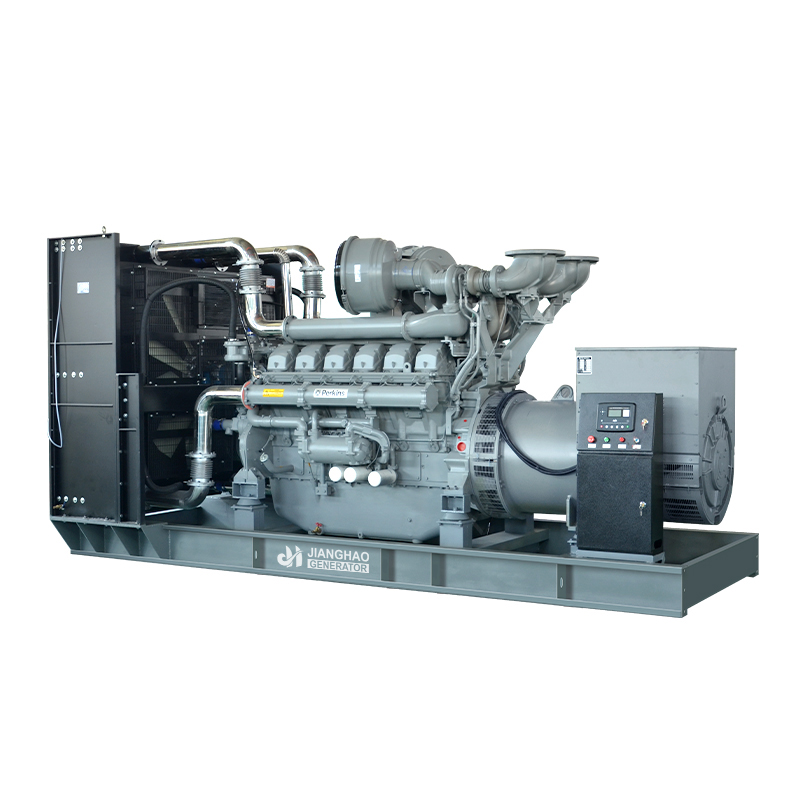
When selecting an industrial or standby power source, the choice often narrows down to Perkins Diesel Generator Sets versus other global Tier-1 engine brands. The generator set, or "genset," is the heartbeat of critical infrastructure, providing emergency power to hospitals, data centers, and manufacturing plants. Perkins powered generators have earned a reputation for exceptional power density and a robust design that excels in the most demanding environments. However, understanding why a Perkins diesel engine might be superior to its competitors requires a technical deep dive into fuel efficiency, load acceptance, and global serviceability. Choosing the right high-performance diesel generator involves more than comparing initial price tags; it requires an evaluation of total cost of ownership (TCO) and the mechanical synergy between the engine and the alternator. This guide provides a detailed technical comparison to help you determine if Perkins generator sets are the optimal choice for your specific operational requirements.
How Does the Mechanical Engineering of Perkins Diesel Generator Sets Compare to Other Leading Brands?
The engineering philosophy behind Perkins Diesel Generator Sets focuses on modularity and high torque at low speeds, which distinguishes them from many high-speed alternative engines. When comparing these systems to other heavy-duty brands, several technical differentiators emerge.
-
Advanced Combustion Technology and Load Acceptance: The core advantage of a Perkins diesel engine lies in its ability to handle "step loads"—sudden increases in electrical demand. While some competitors might experience a significant frequency drop when a large motor starts, Perkins generator sets are engineered with optimized turbocharging and fuel injection systems that provide rapid response times. This is particularly critical in industrial power generation where precision is mandatory. Many Perkins models utilize the ACERT™ technology (Advanced Combustion Emission Reduction Technology), which manages the combustion process through electronic control to maximize power output while minimizing noise and vibration. In contrast, many budget-friendly generator brands utilize older mechanical fuel systems that lack this level of granular control, resulting in higher fuel consumption and slower recovery times.
-
Power Density and Compact Footprint: A defining characteristic of the Perkins 400, 1100, and 2000 series engines is their high power-to-weight ratio. Designers of Perkins Diesel Generator Sets have succeeded in extracting more horsepower from a smaller physical block than many of their rivals. This "compact power" allows for smaller acoustic enclosures and reduced shipping costs. For facilities with limited floor space, a Perkins 500kVA generator often occupies a significantly smaller footprint than a similarly rated unit from a standard Chinese or Indian engine manufacturer. This space efficiency does not come at the cost of durability; the use of high-strength alloys in the cylinder heads and crankshafts ensures that these heavy-duty diesel engines can operate for thousands of hours between major overhauls.
-
Cooling System Efficiency and Ambient Temperature Performance: In regions with extreme heat, the cooling package of a diesel generator set becomes the limiting factor. Perkins engines are famous for their "tropical" radiator designs, which are specifically calibrated to maintain optimal operating temperatures even when ambient air exceeds 50°C. Many other engine brands require significant de-rating (reducing the power output) in hot climates to prevent overheating. A Perkins powered genset maintains its rated prime power for longer durations in harsh environments, making it the preferred choice for mining operations, desert construction sites, and tropical telecommunications hubs.
To assist in your initial evaluation, the following table compares the typical technical attributes of Perkins Diesel Generator Sets against standard industry competitors:
|
Feature Category |
Perkins Generator Sets |
Standard Alternative Brands |
|---|---|---|
|
Engine Control |
Full Electronic (ECM/ADEM) |
Mechanical or Basic Electronic |
|
Load Acceptance |
G3 Grade (ISO 8528-5) |
G1 or G2 Grade |
|
Maintenance Interval |
500 Hours (Standard) |
250 - 350 Hours |
|
Global Support |
3,500+ Service Outlets |
Limited Regional Support |
|
Cold Start Ability |
Excellent (with Glow Plugs) |
Average (Requires Block Heaters) |
|
Emissions Level |
Tier 3 / Stage V Compliant |
Variable / Often Lower Tier |
Why Is the Global Support Network of Perkins Generators a Critical Factor for Industrial Users?
One of the most overlooked aspects of purchasing a diesel generator set is the availability of spare parts and qualified technicians. In this arena, Perkins Diesel Generator Sets offer a level of security that many localized brands cannot match.
-
Universal Parts Availability and Interchangeability: The "Perkins Global" strategy ensures that regardless of where your standby generator is installed, the components are identical. A water pump for a Perkins 1106 series engine in London is exactly the same as one in Singapore or Dubai. This universality prevents the "orphaned equipment" syndrome often seen with smaller engine brands that frequently change their component suppliers. For multinational corporations managing a fleet of emergency power systems, standardizing on Perkins diesel generators simplifies inventory management and reduces the risk of prolonged downtime due to backordered parts. Furthermore, the prevalence of Perkins engines in construction and agricultural machinery means that even non-specialized mechanics are often familiar with the basic architecture of these units.
-
Comprehensive Digital Diagnostics and Telematics: Modern Perkins Diesel Generator Sets are integrated with sophisticated digital monitoring tools. The Perkins® My Engine App and various cloud-based telematics allow users to track fuel levels, battery voltage, and oil pressure remotely. While some other premium brands offer similar features, Perkins provides a highly intuitive interface that integrates directly with the engine's Electronic Control Module (ECM). This allows for "predictive maintenance," where the system alerts the operator to a potential failure before it occurs. In contrast, many "value" generator sets rely on basic analog gauges that require physical inspection, increasing the likelihood that a small issue (like a leaking hose) turns into a catastrophic engine failure during a power outage.
-
Standardized Training and Technician Expertise: Perkins invests heavily in its "Distributor Excellence" program, ensuring that technicians worldwide undergo the same rigorous training. When you call a service center for a Perkins diesel generator repair, you are likely dealing with a specialist who has access to the proprietary EST (Electronic Service Tool). This tool allows for deep-level ECU flashing and fault-code history analysis. Many competing brands, especially those from emerging markets, lack a centralized training structure, meaning the quality of service can vary wildly from one region to another. For mission-critical applications like data center backup power, the peace of mind provided by a certified Perkins technician is an invaluable asset.
How Does the Total Cost of Ownership (TCO) of Perkins Generators Compare to Lower-Cost Alternatives?
While the initial purchase price of Perkins Diesel Generator Sets may be higher than some alternative brands, the long-term financial analysis often favors the Perkins solution. TCO includes fuel, maintenance, repairs, and residual value.
-
Fuel Economy and Long-Term Efficiency: Fuel represents approximately 60-80% of the lifetime cost of a prime power diesel generator. Perkins engines are designed with high-pressure common rail (HPCR) systems that atomize fuel with extreme precision. This results in a more complete "burn," extracting more kilowatt-hours per liter of diesel than many older-style mechanical engines. Over a five-year operating period, a Perkins fuel-efficient generator can save a facility tens of thousands of dollars in fuel costs compared to a cheaper, less efficient unit. When calculating the ROI of a Perkins diesel genset, it is essential to look at the "fuel consumption per kVA" at 75% load, which is where Perkins typically outperforms the competition.
-
Extended Maintenance Intervals and Reduced Labor Costs: The mechanical robustness of Perkins Diesel Generator Sets allows for extended service intervals. Many models now support a 500-hour oil change interval, provided that high-quality synthetic oils and genuine Perkins filters are used. Many standard diesel engines still require servicing every 250 hours. By doubling the interval, a facility reduces its labor costs and the quantity of waste oil generated by 50%. Additionally, the "Easy-Access" design of the Perkins engine block ensures that routine tasks like belt replacements and filter swaps can be completed quickly, reducing the hourly labor charge for onsite service visits.
-
High Resale Value and Asset Liquidity: Because of their global reputation and the durability of the Perkins brand, these generator sets retain their value far better than generic alternatives. In the secondary market, a used Perkins generator is highly sought after because buyers know they can easily find parts and service support. A low-cost, off-brand generator often has near-zero resale value after five years because parts become unavailable or the brand exits the market. For businesses that treat their power generation equipment as a liquid asset, the "brand premium" of Perkins provides a significant financial safety net at the end of the equipment's primary service life.