 English
 русский
 Español
 عربى
عربىThe Ultimate Guide to Diesel Generators: Engineering Excellence and Energy Resilience Strategy
The Foundation of Power: Categorizing Diesel Generators by Electrical Phase
The primary architectural decision when selecting Diesel generators involves the electrical phase configuration. This choice is dictated by the total load requirement and the type of equipment that the generator will support.
Single Phase Diesel Generators for Residential and Small Scale Use
For environments with lower power requirements, such as private estates or small retail outlets, Single phase diesel generators are often the most efficient choice. These units typically provide power at 120 or 240 volts, which is the standard for most household appliances and office electronics. While they lack the massive output capacity of their industrial counterparts, they are prized for their simplicity and cost effectiveness in low demand scenarios. Many homeowners seeking the Best diesel generator for residential use will find that a single phase unit offers sufficient capacity to maintain lighting, refrigeration, and security systems during a local grid failure.
Three Phase Industrial Diesel Generator Systems for Heavy Loads
In contrast, the Three phase industrial diesel generator is the workhorse of the manufacturing and commercial sectors. These systems are designed to power high torque motors, heavy machinery, and large scale HVAC systems. By utilizing three separate electrical currents that are offset in time, a three phase system provides a much more stable and consistent power flow. This is critical for industrial applications where a momentary drop in voltage could lead to equipment damage or data corruption. For facilities requiring High capacity industrial power generators, the three phase configuration is the industry standard due to its ability to handle immense loads with superior efficiency.
Physical Design and Environmental Integration: Enclosure Types
The physical environment where a generator is installed significantly influences its design, particularly regarding noise attenuation and protection from the elements.
The Utility of the Open Type Diesel Generator
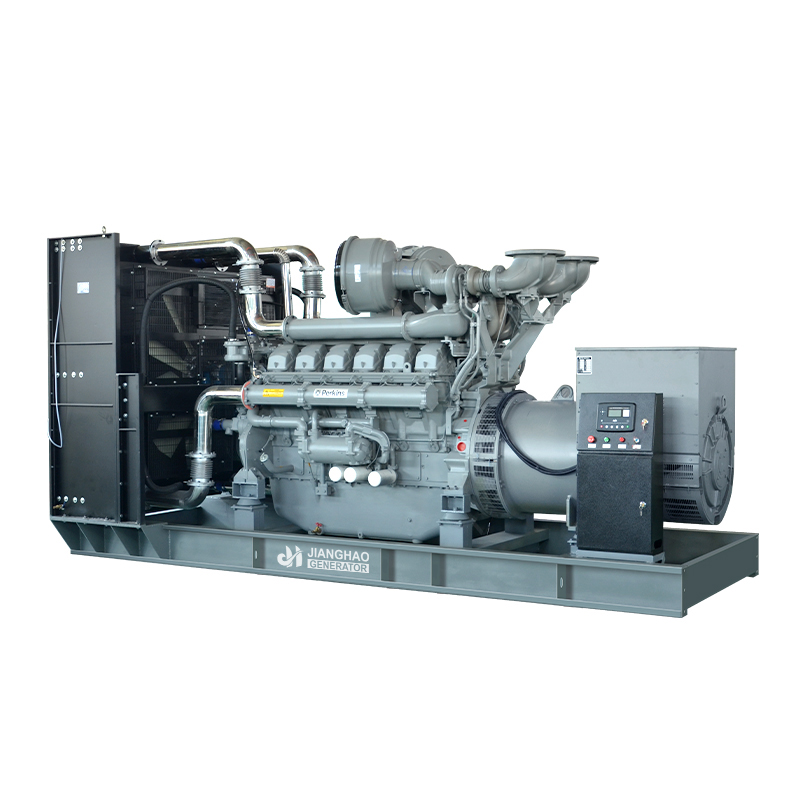
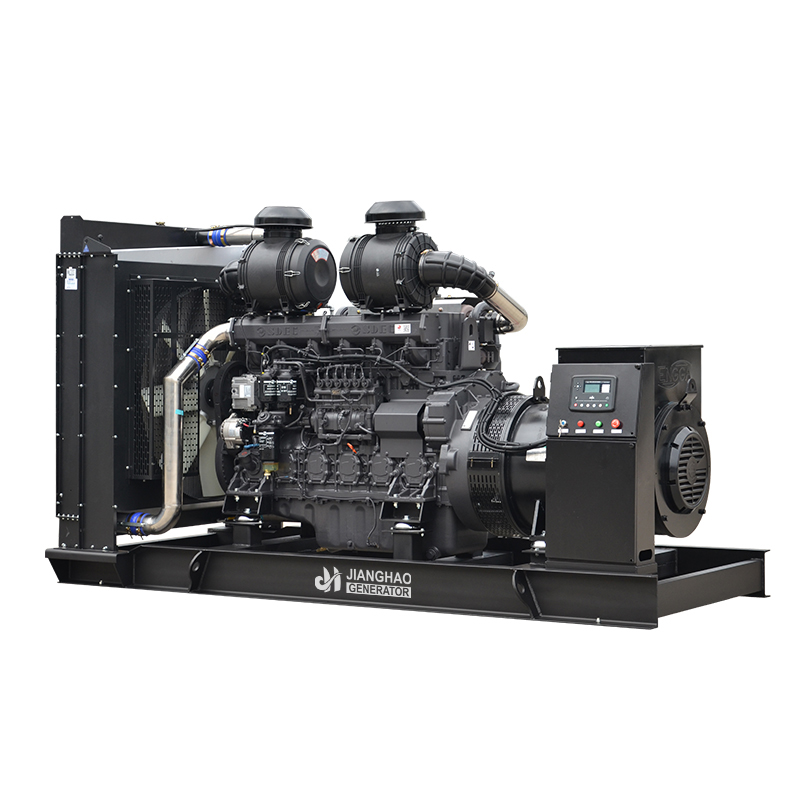
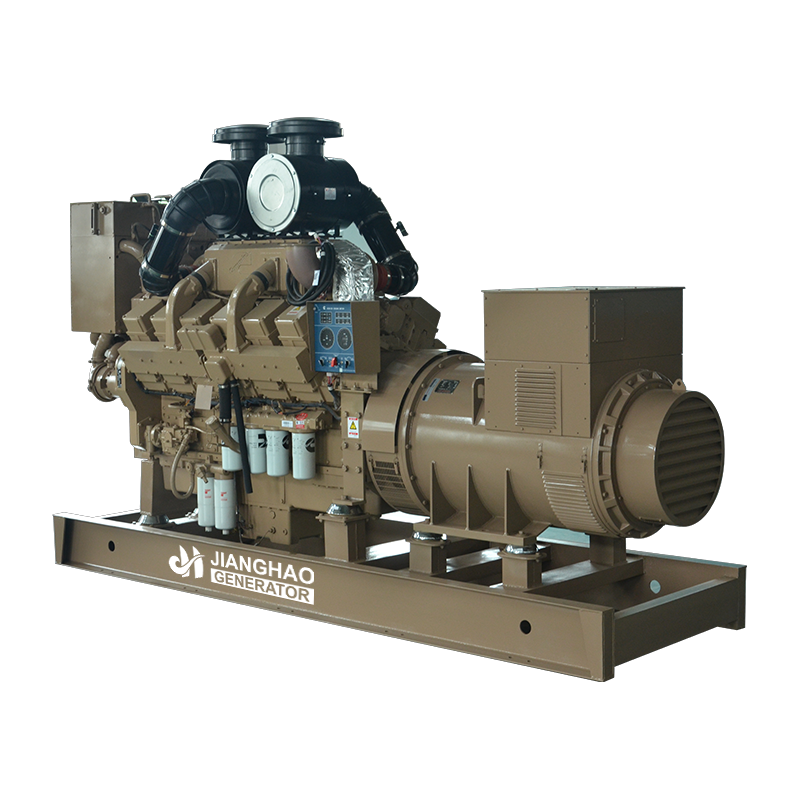
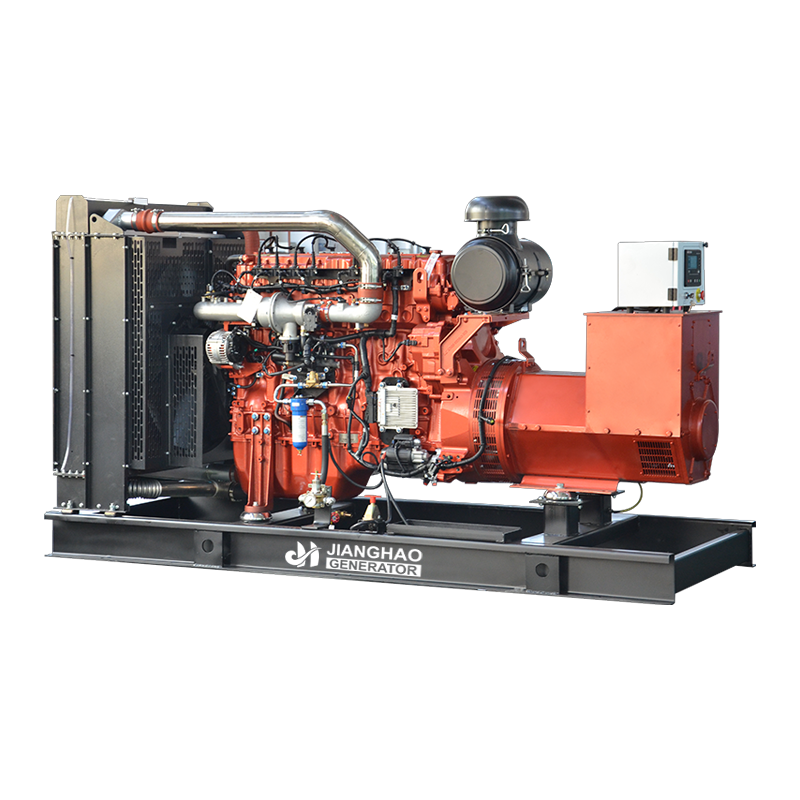
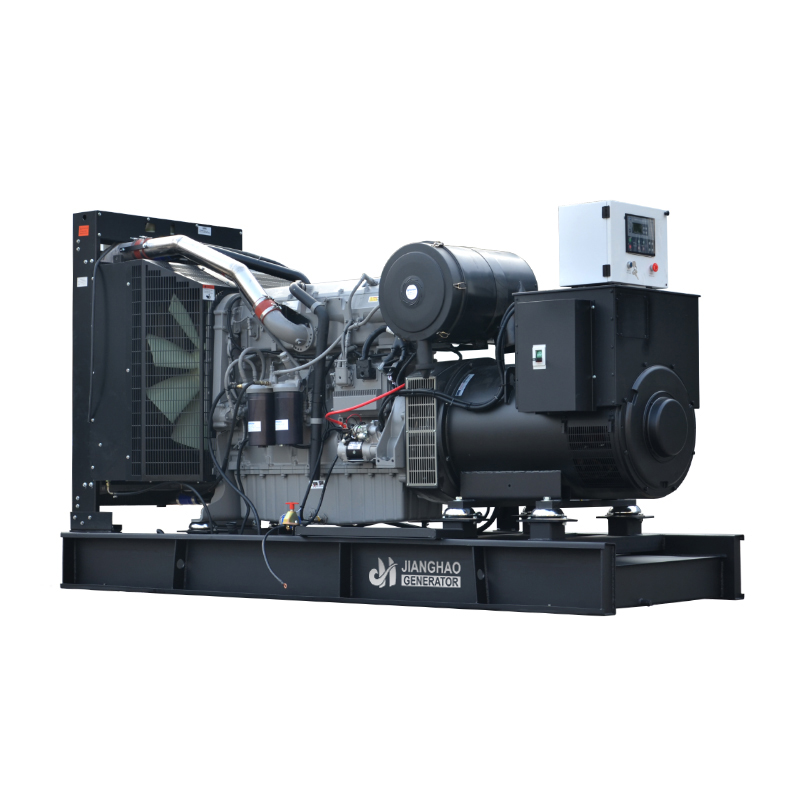
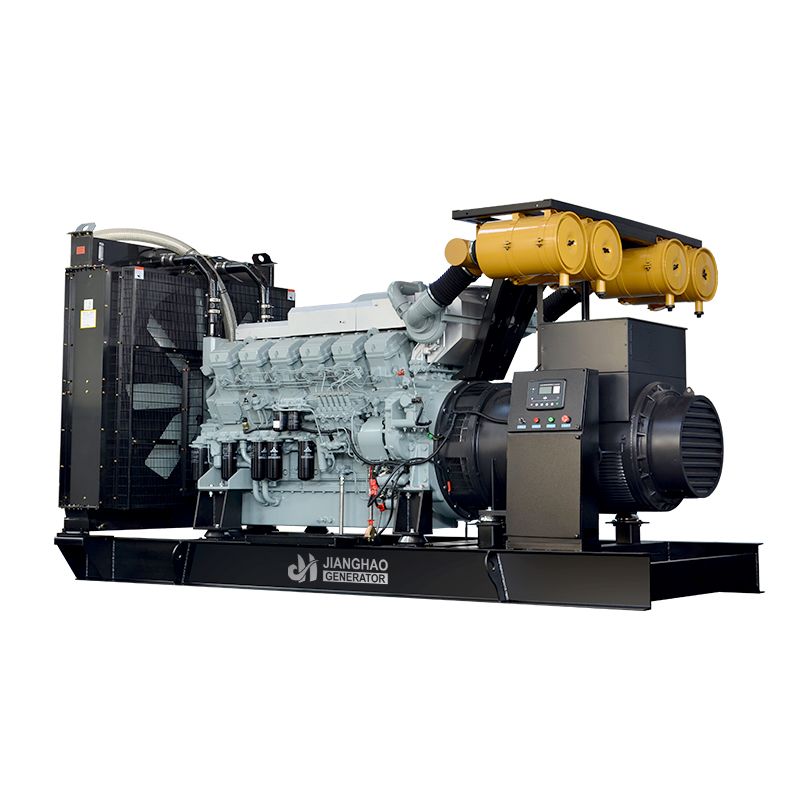
An open type diesel generator consists of the engine and alternator mounted on a rigid steel base frame without a protective canopy. This design is primarily intended for indoor installations where the generator is placed within a dedicated, soundproofed machinery room. The lack of an enclosure allows for easier access during maintenance and provides maximum airflow for cooling. In many industrial grade power sets, the open design is preferred because it reduces the initial capital expenditure while allowing the facility manager to control the environment, including ventilation and exhaust routing, through the building infrastructure.
The Rise of Silent and Soundproof Diesel Generators
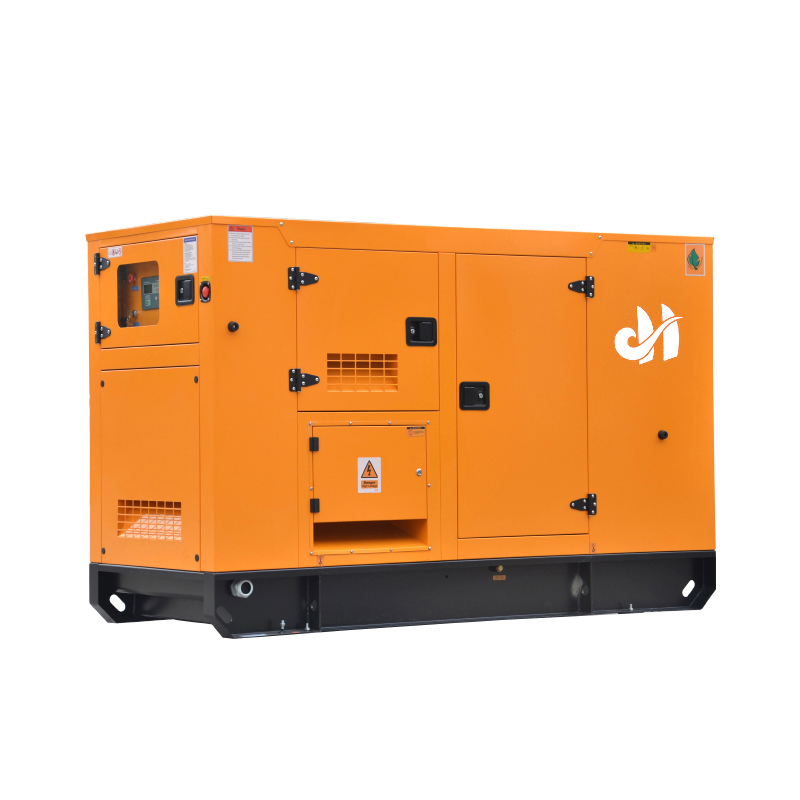
In urban environments or areas with strict noise regulations, the use of Soundproof diesel generators is mandatory. These units are housed within a specialized enclosure, often referred to as a canopy, which is lined with sound absorbing materials. The Silent canopy diesel generator benefits are numerous, including the ability to operate in close proximity to office buildings or residential zones without causing significant auditory disruption.
A high quality Canopy generators system does more than just reduce noise; it also provides a weather resistant shield that protects the internal components from rain, dust, and extreme temperatures. For companies operating in sensitive locations, investing in a Soundproof enclosure for diesel generators ensures compliance with local ordinances while maintaining a professional environment.
Mobility and Deployment: Fixed vs Portable Solutions
The application of the generator determines whether it should be a permanent fixture or a mobile asset.
Portable Diesel Generator for Construction Sites and Temporary Projects
For industries that move from one site to another, such as construction or event management, a Portable diesel generator for construction sites is an indispensable tool. These units are often mounted on trailers or equipped with heavy duty wheels, allowing them to be transported easily to remote locations. Despite their smaller size, modern Portable generators are capable of providing substantial power, often featuring ruggedized frames and simplified control interfaces designed for use in harsh environments.
Stationary Industrial Generators for Critical Infrastructure
Conversely, Stationary generators are permanently installed on a concrete pad and integrated directly into the electrical system of a building. These Heavy duty diesel generators are designed for long term reliability and are usually connected to a large external fuel tank to ensure extended run times. Stationary units are common in hospitals, data centers, and telecommunication hubs where power must be restored within seconds of a grid failure.
Understanding Duty Cycles: Standby, Prime, and Continuous Power
One of the most critical aspects of choosing a diesel generator is understanding the intended duty cycle. This determines the lifespan of the engine and the reliability of the power supply.
Prime Power vs Standby Power Generators: The Operational Gap
The distinction between Prime power vs standby power generators is often misunderstood but vital for fleet management. Standby generators are designed to operate for short durations during emergency situations. They are rated to provide maximum output but are not intended for prolonged, daily use.
Prime power generators, on the other hand, are designed to be the primary source of power in locations where there is no utility grid. These units can operate for long periods at varying loads and are built with more robust components to handle the increased wear. For industries like mining or remote telecommunications, a Prime power generators unit is the only viable solution for maintaining operations.
Continuous Power Supply for Constant Loads
For applications that require a steady, unchanging load for an indefinite period, a Continuous power supply rating is required. These generators are engineered to run at 100 percent load for 24 hours a day, 365 days a year. This level of durability is typically found in utility power plants or large scale industrial processes that cannot afford even a millisecond of downtime.
Leading Engine Technologies: Cummins and Perkins Diesel Generators
The heart of any high performance generator is the engine. Two brands dominate the global market due to their engineering excellence and reliability.
The Robustness of a Cummins Diesel Generator
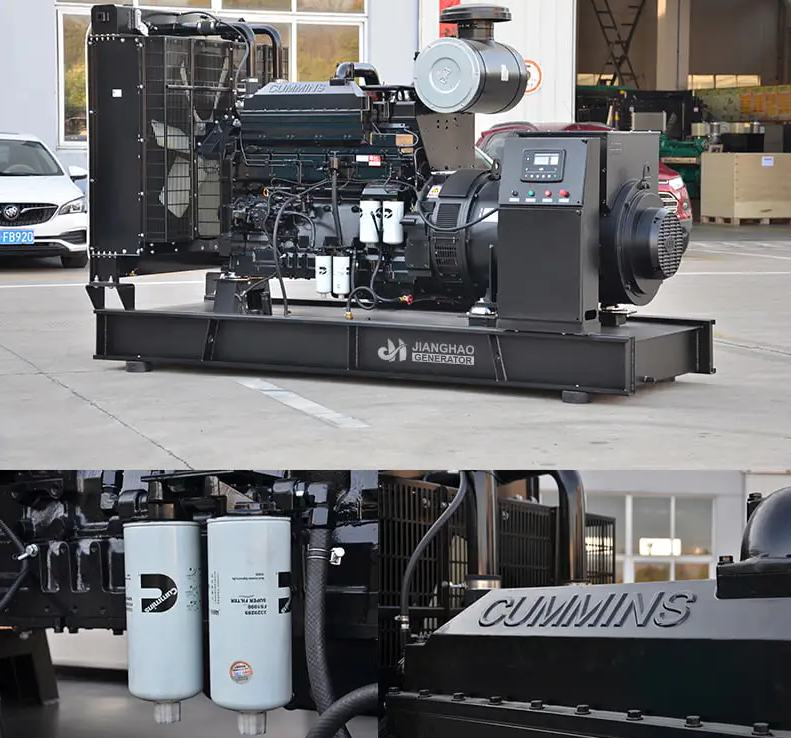
A Cummins diesel generator is synonymous with durability. Known for their high torque and advanced electronic control systems, Cummins engines are favored for their ability to handle sudden load changes without a significant drop in frequency. Their global support network makes them an ideal choice for international projects where spare parts and technical expertise must be readily available.
The Efficiency of a Perkins Diesel Generator
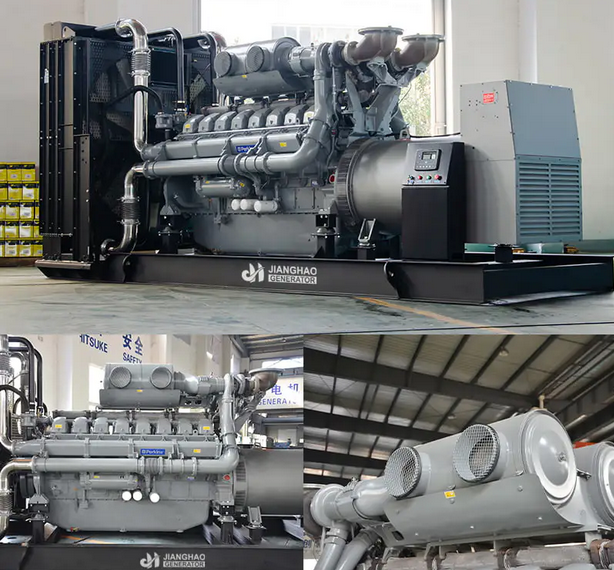
Similarly, a Perkins diesel generator is highly regarded for its fuel efficiency and compact design. Perkins engines are often the preferred choice for smaller to mid sized industrial grade power sets because they provide an excellent power to weight ratio. Their focus on reducing the Diesel generator fuel consumption rate makes them a cost effective option for businesses looking to minimize long term operational expenses.
Technical Maintenance and Fleet Management Strategies
To ensure that Emergency power systems function correctly when needed, a rigorous maintenance schedule must be implemented.
Maintenance Tips for Large Scale Diesel Generators
-
Regular Fluid Analysis: Periodically checking the oil and coolant for contaminants can provide early warning signs of engine wear.
-
Load Bank Testing: This process involves running the generator under an artificial load to ensure it can reach its rated capacity without overheating.
-
Fuel Polishing: Diesel fuel can degrade over time; fuel polishing removes moisture and sediment to prevent injector clogs.
-
Battery Inspection: The most common reason for a generator failing to start is a dead or weak battery. Regular testing and replacement are essential.
By following these Maintenance tips for large scale diesel generators, facility managers can ensure that their Backup power solutions remain in peak condition for years.
Telematics and Remote Monitoring Systems
Modern industrial units are increasingly equipped with Remote start diesel generator systems and advanced telematics. These systems allow operators to monitor engine health, fuel levels, and load distribution from a central dashboard or even a mobile device. For a Diesel generator for telecommunication towers located in remote areas, remote monitoring is essential for coordinating maintenance visits before a critical failure occurs.
Industry Specific Applications of Diesel Power
Different sectors have unique requirements that dictate the configuration of their power systems.
Reliable Standby Power for Hospitals
In the medical sector, power is a matter of life and death. Reliable standby power for hospitals must be integrated with an Automatic transfer switch for diesel generators to ensure that life support systems, operating theaters, and diagnostic equipment remain active during a blackout. These systems are often redundant, with multiple units configured to start automatically if the primary generator fails.
Cost Effective Power Backup for Data Centers
For the digital economy, data integrity is paramount. Cost effective power backup for data centers involves a combination of Uninterruptible Power Supplies and high speed start diesel generators. These units must be Emission compliant diesel generator sets to meet the environmental standards of the urban areas where many data centers are located.
Choosing Diesel Generator for Mining Operations
The mining industry operates in some of the most challenging environments on earth. Choosing diesel generator for mining operations requires a focus on dust filtration, high altitude performance, and heavy duty cooling systems. A Water cooled diesel generators for industry configuration is typically used to manage the extreme heat generated during continuous deep earth operations.
Long Run Time Diesel Generators for Agriculture
In the agricultural sector, power is needed for irrigation, climate control in livestock facilities, and processing plants. Long run time diesel generators for agriculture often feature oversized fuel tanks and simplified mechanical designs that can be serviced by local technicians. These units ensure that crops and livestock are protected even during extended rural power outages.
Technical Comparison of Generator Configurations
|
Technical Metric |
Open Type System |
Silent Canopy System |
Portable Mobile Unit |
|---|---|---|---|
|
Installation Location |
Indoor Plant Room |
Outdoor or Public Areas |
Remote Work Sites |
|
Noise Attenuation |
Low (Relies on Room) |
High (Integrated Foam) |
Moderate |
|
Maintenance Access |
Maximum |
Moderate (Through Panels) |
Moderate |
|
Weather Protection |
None |
Full Weatherproofing |
Ruggedized Frame |
|
Cooling Efficiency |
Highest |
Controlled Airflow |
High |
Economic Analysis: Fuel Consumption and Operational Costs
The total cost of ownership for an Industrial grade power sets unit is heavily influenced by the Diesel generator fuel consumption rate. As fuel prices fluctuate, the efficiency of the engine becomes a primary competitive advantage.
Optimizing Fuel Efficiency in Modern Engines
Manufacturers are constantly innovating to create Fuel efficient generators that meet modern Tier 4 or Stage V emission standards. This involves the use of high pressure common rail fuel injection and advanced turbocharging. By optimizing the combustion process, these engines produce more power per gallon of fuel while significantly reducing the output of nitrogen oxides and particulate matter.
The Role of the Automatic Transfer Switch
An Automatic transfer switch for diesel generators is a critical component for both safety and efficiency. This device senses when the utility power fails and automatically signals the generator to start. Once the generator has reached the correct voltage and frequency, the switch disconnects the building from the grid and connects it to the generator. This seamless transition prevents the damage that can occur from manual switching and ensures that the Emergency power systems are utilized only when absolutely necessary.
Conclusion and Strategic Outlook
The diesel generator remains the cornerstone of global energy security. Whether it is a Cummins diesel generator providing primary power to a remote village or a Perkins diesel generator acting as a silent sentinel for a metropolitan hospital, these machines provide the reliability that the modern world demands.
As we look toward the future, the integration of diesel technology with renewable energy sources is becoming more common. Hybrid systems that combine Diesel generators with solar arrays or wind turbines allow for even greater fuel savings and lower environmental impact. However, the fundamental need for a high torque, reliable, and rapidly deployable power source means that the diesel engine will remain an essential component of the global power grid for the foreseeable future. By understanding the nuances of Axle configuration in portable units, the specific load capacity of semi-trailer frames for mobile power, and the complex chemistry of modern emission controls, businesses can make informed decisions that protect their assets and ensure their continued success in an increasingly unpredictable energy market.