 English
 русский
 Español
 عربى
How long does diesel last in a generator: Practical Applications, Selection, Performance
A plant manager at a coastal industrial site checks a 250 kVA standby diesel generator that has not run under load for 14 months. The tank is about 60% full, the fuel looks darker than he remembers, and the site is preparing for storm season. He asks a practical question: how long does diesel last in a generator? The answer depends on which clock he means. Stored diesel has a shelf life inside the tank, and a generator has a runtime on a given volume of fuel. Those are two different numbers, and confusing them is one of the most common reasons standby power systems fail when they are needed.
In most standby generator tanks, diesel remains usable for roughly 6 to 12 months under normal conditions. With stabilizers, water control, and good tank hygiene, 12 to 24 months is possible, but fuel quality begins to decline well before the fuel becomes completely unusable. Runtime is a separate calculation. A 100 kW generator might run 20 to 30 hours on 500 L at full load, while the same unit at 50% load could run for two days or more. A larger tank changes the runtime, not the storage life.
This article explains both clocks, the conditions that shorten or extend diesel life, the signs of bad fuel, and the practical steps that protect a generator between outages. It also covers how tank size, load profile, and site conditions affect the answer, because a data center, a mine, and a marine vessel do not face the same fuel risks.
The Short Answer: Two Different Clocks
When someone asks how long diesel lasts in a generator, they usually mean one of two things. The first is storage life: how long the fuel can sit in the tank before it degrades, clogs filters, or causes starting problems. The second is runtime: how many hours the generator can operate on a full tank before refueling. Both matter, but they are managed differently.
For storage life, the practical range is 6 to 12 months for conventional diesel in a typical vented generator tank. Fuel in a sealed, clean, dry tank may remain serviceable for 12 months or longer. With a diesel stabilizer, regular water removal, and a fuel polishing program, some sites stretch that to 18 or 24 months. Biodiesel blends are less forgiving. B5 and B20 can begin to oxidize and attract moisture faster, so a 3 to 6 month rotation window is safer in many standby applications. These are planning ranges, not guarantees. Heat, humidity, tank condition, and contamination can shorten them significantly.
For runtime, the calculation is straightforward in principle: usable tank volume divided by fuel consumption at the expected load. A 500 L tank feeding a generator that burns 20 L/h at the site load gives about 25 hours of operation, minus a safety reserve. A 1,000 L tank feeding a 50 L/h load gives about 20 hours. The same generator at half load may burn roughly 55% to 65% of the full-load rate, so the runtime can increase by 50% or more. The exact figures depend on the engine, the load, the fuel temperature, and the generator's efficiency.
The important conclusion is that a generator can be mechanically healthy and still fail because its fuel is old. A tank can be full and still deliver less runtime than expected because the usable volume is lower than the nameplate capacity. Maintenance plans should track both fuel age and fuel consumption, not just engine hours.
What Diesel Degradation Actually Looks Like
Diesel is not a single compound. It is a mixture of hydrocarbons that changes with the crude source, the refinery process, and the additive package. When it sits in a tank, several processes run at once: oxidation, water absorption, microbial growth, sediment formation, and additive depletion. The fuel does not usually become “bad” on a single day. It crosses a threshold where filters, injectors, and combustion become affected.
Oxidation and Gum Formation
Oxygen reacts with diesel hydrocarbons, especially at higher temperatures and in the presence of metals that act as catalysts. The result is soluble gums and insoluble particles. Early oxidation may not be visible, but it can increase fuel acidity, darken the color, and form deposits on injectors and fuel-system components. A generator that sits idle with a partially filled tank is more vulnerable because the fuel surface is exposed to air and the tank breathes with temperature swings.
Water and Microbial Growth
Water enters a generator tank through condensation, vent breathing, loose fittings, or contaminated fuel deliveries. Because water is denser than diesel, it collects at the bottom. A small amount is normal in many tanks, but a persistent water layer creates a habitat for bacteria and fungi. Microbial growth forms a biofilm at the fuel-water interface, producing acids, slime, and hydrogen sulfide. The fuel may smell like rotten eggs, and filters may clog with a dark, sticky residue. Once a tank has an established microbial problem, simple draining is rarely enough; the tank needs cleaning and the fuel may need treatment or disposal.
Sediment, Asphaltenes, and Tank Corrosion
Asphaltenes are heavy, complex molecules that can precipitate when fuel is stored or when incompatible fuels are mixed. Sediment can also come from rust, dirt, and worn tank coatings. In steel tanks, water at the bottom promotes corrosion, which adds iron oxide particles to the fuel. These particles are abrasive and can wear injectors and fuel pumps. A tank that looks clean from the top may have a layer of sludge at the bottom that becomes suspended when the generator draws fuel during an outage.
Degradation is not only a fuel-quality issue. It is a system issue. The tank, vent, fill point, filters, and fuel lines all influence how long diesel remains serviceable. A generator with a clean tank and a tight vent will usually outperform one with a rusty tank and a loose cap, even if both use the same fuel supplier.
Typical Storage Life by Condition
The following table gives planning ranges for conventional diesel in generator applications. The ranges assume the fuel meets the site's specification and the tank is not already contaminated. They are not a substitute for fuel testing, especially at sites where compliance or uptime is critical.
| Storage condition | Typical usable life | Main risk |
|---|---|---|
| Sealed indoor day tank, clean and dry, moderate temperature | 12 to 24 months | Additive depletion and slow oxidation |
| Outdoor vented tank, temperate climate, regular water removal | 6 to 12 months | Condensation and microbial growth |
| Outdoor tank, hot and humid climate, partial fill | 3 to 6 months | Water ingress, oxidation, and tank corrosion |
| Biodiesel blend B5 to B20, typical standby tank | 3 to 6 months | Oxidation, moisture absorption, and filter plugging |
| Treated with stabilizer and biocide, regular testing | 12 to 24 months | Overdosing, incomplete mixing, and missed water removal |
| Poorly maintained steel tank with visible rust or sludge | Less than 3 months | Sediment, corrosion particles, and injector wear |
Two points are easy to miss. First, “usable” is not the same as “optimal.” Fuel may start and run a generator after 12 months, but it may already be causing filter loading and injector deposits. Second, the range is a planning tool, not a warranty. A fuel test is the only reliable way to know whether a specific tank is ready for another outage season.
How Long a Generator Runs on a Full Tank
Runtime is governed by tank size, usable volume, and fuel consumption. The common mistake is to divide the tank's nominal capacity by the engine's full-load consumption and call that the runtime. In practice, a generator should not be run to the last liter, and the load is rarely exactly at the nameplate rating. A safety reserve of 10% to 20% is normal, and the load profile may vary through the day.
A practical formula is:
Runtime (hours) = usable fuel volume (L) ÷ fuel consumption at actual load (L/h)
For a first estimate, diesel generators typically consume about 0.2 to 0.3 L per kWh delivered, with smaller and older units often at the higher end. A 100 kW generator at full load may burn roughly 20 to 25 L/h. At 50% load, the same unit may burn 12 to 16 L/h. These are approximate figures; the engine datasheet and site load test are more reliable.
| Generator size | Approximate consumption at 75% load | Runtime on 500 L usable fuel | Runtime on 1,000 L usable fuel |
|---|---|---|---|
| 20 kW | 4 to 6 L/h | 80 to 125 hours | 165 to 250 hours |
| 50 kW | 10 to 14 L/h | 35 to 50 hours | 70 to 100 hours |
| 100 kW | 18 to 24 L/h | 20 to 28 hours | 40 to 55 hours |
| 200 kW | 35 to 48 L/h | 10 to 14 hours | 20 to 28 hours |
| 500 kW | 90 to 120 L/h | 4 to 5.5 hours | 8 to 11 hours |
| 1,000 kW | 180 to 240 L/h | 2 to 2.8 hours | 4 to 5.5 hours |
The table makes a key point: a “full tank” can mean very different things at different power levels. A 20 kW set with a 500 L tank can run for several days at moderate load. A 1,000 kW set with the same tank may run for only a few hours. That is why fuel storage planning must start with the load profile and the required outage duration, not with the tank that happens to be on site.
 Diesel and Gas Generator Sets by Power RangeCompare generator sets from 3 kW to 3000 kW and review fuel-storage planning by load profile and required outage duration.View Product →
For standby applications, the required runtime is usually driven by the probability and duration of grid outages, the refueling plan, and the criticality of the load. A data center may need 24 to 72 hours of on-site fuel plus a refueling contract. A remote mine may need several days because fuel delivery is slow. A small factory may need only enough fuel to ride through short interruptions and shut down safely.
Factors That Shorten Diesel Life in a Generator
Diesel life is not a fixed number. The same fuel can last a year in one tank and three months in another. The following factors have the largest practical effect.
- Heat. High ambient temperatures accelerate oxidation and increase tank breathing, which pulls in moist air. A tank in direct sun or near a hot process line will age fuel faster than a shaded or indoor tank.
- Water. Condensation is the most common water source in generator tanks. A tank that is partially full has a larger air space and more breathing, so it can accumulate water faster than a full tank. Persistent water also promotes microbial growth and corrosion.
- Air and venting. A vent is necessary, but a poorly designed or damaged vent can admit dust, rain, and humid air. A tight, well-positioned vent with a desiccant breather can reduce contamination in humid climates.
- Tank material and condition. Steel tanks can rust when water collects at the bottom. Rust particles contaminate fuel and accelerate filter clogging. Tanks with damaged linings or poor welds are also more likely to develop sludge and leaks.
- Partial fills. A partially filled tank has more ullage, more condensation cycles, and more opportunity for fuel to oxidize. Keeping the tank full reduces air exposure, but it also increases the cost of fuel rotation if the fuel is not used.
- Biodiesel content. Biodiesel is more hygroscopic and more prone to oxidation than petroleum diesel. B5 and B20 are common, but they need shorter rotation intervals and more attention to water and microbial control.
- Contamination during delivery. A fuel delivery can introduce water, sediment, or incompatible fuel. Sites should use a reputable supplier, check delivery documents, and filter fuel as it enters the tank where practical.
- Mixing incompatible fuels. Mixing different diesel grades or adding untested additives can cause asphaltenes to precipitate and form sludge. Keep fuel records and avoid unnecessary mixing.
- Long idle periods. A generator that never runs under load does not circulate and polish its fuel. Water settles, microbes grow, and deposits form. Monthly exercise runs help, but they do not replace fuel testing and tank maintenance.
The combined effect is often greater than any single factor. A hot, humid site with a partially filled outdoor tank and a biodiesel blend is a very different fuel-storage environment from a cool, dry indoor tank with conventional diesel and a sealed fill point. Maintenance intervals should reflect the actual site, not a generic annual schedule.
Signs That Diesel Has Gone Bad
Fuel problems rarely announce themselves with a single obvious symptom. The following signs should trigger a fuel test and a tank inspection.
- Dark or cloudy fuel. Fresh diesel can range from clear to amber, but a sudden darkening or cloudiness can indicate oxidation, water emulsification, or microbial contamination.
- Sediment or sludge. A dark layer at the bottom of a sample jar, or a sticky film on the tank walls, is a strong sign of contamination. Sediment that shakes into suspension can clog filters quickly.
- Rotten-egg odor. Hydrogen sulfide is a byproduct of microbial activity. A fuel sample that smells like rotten eggs should be treated as contaminated until testing proves otherwise.
- Frequent filter clogging. If the generator plugs filters after only a few hours, the fuel may be carrying sediment, gums, or microbial slime. Replacing filters without cleaning the tank usually provides only temporary relief.
- Hard starting or rough running. Poor fuel quality can cause low cetane performance, injector deposits, and unstable combustion. These symptoms can also come from other causes, so fuel testing should be part of the diagnosis.
- Excessive smoke or power loss. Contaminated fuel can produce incomplete combustion, smoky exhaust, and reduced power. A load test and fuel analysis can separate fuel problems from mechanical faults.
- Corrosion in the fuel system. Water and microbial acids can corrode injectors, fuel racks, and tank fittings. Corrosion particles then add another layer of contamination.
A visual check is useful, but it is not enough. A sample from the tank bottom, taken after the fuel has settled, is more informative than a sample from the top. For critical sites, a laboratory analysis of water content, microbial activity, cetane, and sediment is a better basis for a keep-or-replace decision.
Testing, Polishing, and Treatment
When fuel is suspect, the first step is to test it. A basic field test can check for water and sediment, while a laboratory test can measure microbial contamination, oxidation stability, and other properties. The results determine whether the fuel can be polished and returned to service or should be removed.
Fuel Polishing
Fuel polishing circulates the fuel through filters and a water separator to remove suspended particles and free water. It is useful for cleaning up a tank that has a moderate contamination problem, but it is not a substitute for tank cleaning when there is a thick sludge layer or an established microbial biofilm. Polishing should be followed by a tank inspection and, if necessary, manual cleaning.
Additives
Stabilizers slow oxidation and can extend storage life, but they do not reverse existing degradation. Biocides can control microbial growth, but dead biomass still has to be removed by filtration or tank cleaning. Additives should be dosed according to the manufacturer's instructions and mixed thoroughly. Overdosing can create its own problems, including increased cost and unexpected interactions with fuel-system materials.
When to Discard Fuel
Fuel should be removed when testing shows severe microbial contamination, high water content that cannot be separated, excessive sediment, or properties outside the engine manufacturer's limits. In some cases, the fuel can be blended with fresh fuel under controlled conditions, but this should be based on test results and a clear specification. For critical standby systems, the safest decision is often to replace the fuel and clean the tank rather than rely on treatment alone.
The cost of disposal and replacement is usually small compared with the cost of a failed outage. A generator that cannot carry the load during a grid failure can disrupt operations, damage equipment, or create safety risks. Fuel quality should be treated as part of the generator's reliability system, not as a consumable that is only considered when the engine stops.
Storage and Rotation Best Practices
A practical fuel-management program does not need to be complex, but it does need to be consistent. The following practices are widely used in standby and prime-power applications.
- Keep the tank as full as practical. A full tank has less air space and less condensation. If fuel rotation is a concern, use a smaller tank or a duty/standby tank arrangement rather than leaving a large tank half empty for long periods.
- Exercise the generator under load monthly. A monthly run with a real load helps circulate fuel, confirm starting reliability, and expose problems before an outage. A no-load run is better than nothing, but it does not verify the generator's ability to carry the site load.
- Remove water from the tank bottom on a schedule. Many tanks have a drain point for water and sediment. The frequency depends on the site, but monthly checks are common in humid climates. Always dispose of drained fuel and water according to local regulations.
- Change fuel filters on condition and schedule. Filters protect the engine, but a filter that clogs quickly is a symptom of tank contamination. Record filter pressure differentials and change intervals so trends are visible.
- Inspect the tank internally every few years. A tank can look fine from the outside and have a sludge layer or corrosion on the inside. Internal inspection and cleaning should be part of the long-term maintenance plan.
- Rotate fuel based on test results. A simple annual fuel test can show whether the fuel is still within specification. If the fuel is aging but still serviceable, a planned consumption or polishing cycle is better than waiting for a failure.
- Record fuel deliveries and treatments. Keep track of delivery dates, volumes, additive doses, and test results. This record helps explain problems and supports warranty discussions with the fuel supplier and equipment manufacturer.
- Protect the fill point and vent. A tight cap, a well-positioned vent, and a clean fill area reduce the chance of water and dirt entering the tank. In dusty or rainy environments, a raised fill point and a desiccant breather can help.
For sites with multiple generators, fuel management should be coordinated across the fleet. A shared bulk tank may serve several units, so contamination in one tank can affect all of them. A single fuel test can therefore have a wide impact, and a single bad delivery can create a fleet-wide problem.
Site-Specific Considerations
The same diesel storage rules apply everywhere, but the risk profile changes with the site. The following examples show how the answer to “how long does diesel last in a generator” shifts with operating conditions.
Data Centers and Critical Facilities
Data centers usually have large fuel tanks, strict runtime requirements, and a high cost of failure. Fuel is often tested more frequently, and fuel polishing may be part of the maintenance contract. A common approach is to maintain 24 to 72 hours of on-site fuel, test it at least annually, and have a refueling agreement that can deliver within the required response time. A data center cannot rely on a generic 12-month rotation rule without confirming that its specific fuel, tank, and climate support that interval.
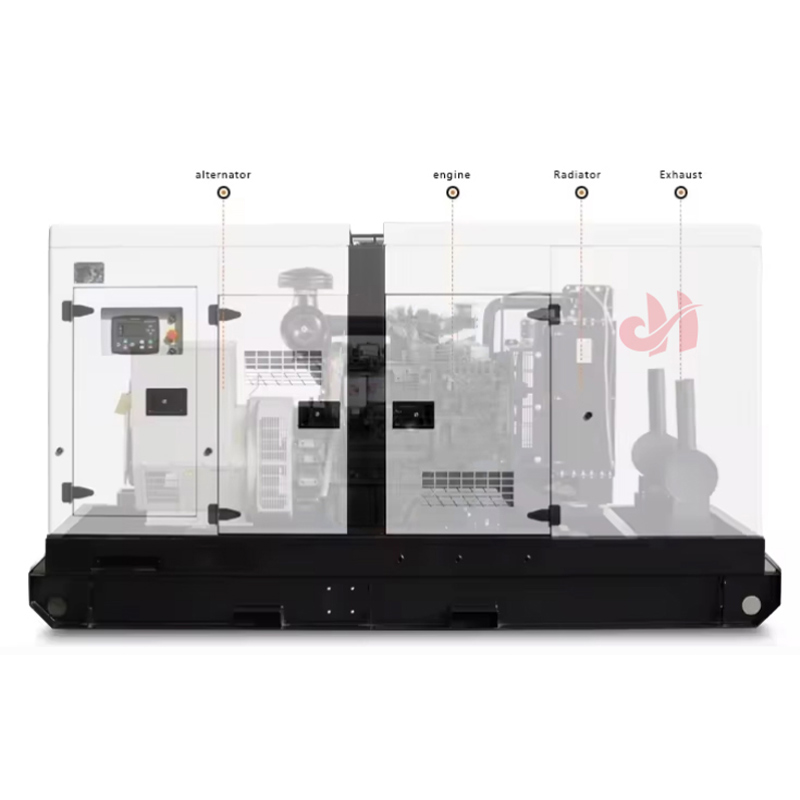 Silent Diesel Generator Sets for Noise-Sensitive SitesReview 8–4000kVA silent sets with enclosed canopies and low noise levels for hospitals, commercial spaces, events, and communication sites needing quieter power.View Product →
Mines, Remote Sites, and Construction
Remote sites often have limited fuel delivery options and may run generators as prime power rather than standby. In prime-power applications, fuel is consumed continuously, so storage life is less of an issue than fuel quality and supply logistics. However, remote sites may still keep a buffer tank that sits for long periods. Dust, temperature extremes, and inconsistent fuel quality are common risks. Fuel filtration and water separation should be sized for the worst expected condition, not the average.
Marine Applications
Marine diesel systems face motion, salt air, and confined tank spaces. Water ingress and microbial growth are persistent risks. Fuel polishing and regular tank draining are important, and the engine manufacturer's fuel specification should be followed closely. A marine generator that sits in port for months may have the same storage-life problem as a land-based standby unit, with the added complication of limited access for tank cleaning.
Cold Climates
Cold weather introduces cloud point and pour point concerns. Diesel can form wax crystals at low temperatures, which may clog filters and stop the engine. Fuel suppliers adjust the winter blend for the region, but sites should confirm that the delivered fuel matches the expected ambient temperature. Storage life may be longer in cold conditions because oxidation is slower, but water and microbial problems do not disappear. In fact, condensation can be significant when tank temperatures swing between day and night.
Hot and Humid Climates
High temperatures accelerate oxidation, and high humidity increases water ingress. Tanks should be shaded, vents should be protected, and water removal should be more frequent. A fuel test at 6 months may be more appropriate than a 12-month interval. Biodiesel blends deserve particular attention in these conditions because they are more sensitive to moisture and oxidation.
Procurement and Specification
Fuel life is influenced long before the first delivery arrives. Tank sizing, material selection, and accessory choices determine how well the fuel will keep. A generator package that is specified only by power rating can leave the site with a tank that is difficult to drain, poorly vented, or too large for the actual fuel rotation rate.
When specifying a diesel generator, consider the following:
- Tank size versus runtime requirement. Size the tank for the required outage duration plus a safety reserve, but do not oversize it so much that fuel sits for years. A smaller tank with a reliable refueling plan can be better than a large tank with stale fuel.
- Tank material and coating. Steel tanks should be internally protected and designed for water drainage. Stainless steel or lined tanks may be appropriate for corrosive environments, but they still need water management.
- Drain and inspection access. A tank bottom drain, a manway, and a sampling point make maintenance practical. A tank that cannot be inspected or cleaned will eventually become a liability.
- Vent and fill protection. A protected vent, a tight fill cap, and a raised fill point reduce water and dirt ingress. In humid climates, a desiccant breather may be worth considering.
- Fuel monitoring. Level sensors, water sensors, and fuel-quality monitoring can provide early warning. These devices do not replace testing, but they help operators spot trends.
- Maintenance access. Filters, water separators, and drain points should be accessible without dismantling the enclosure. A service-friendly layout reduces the chance that maintenance is deferred.
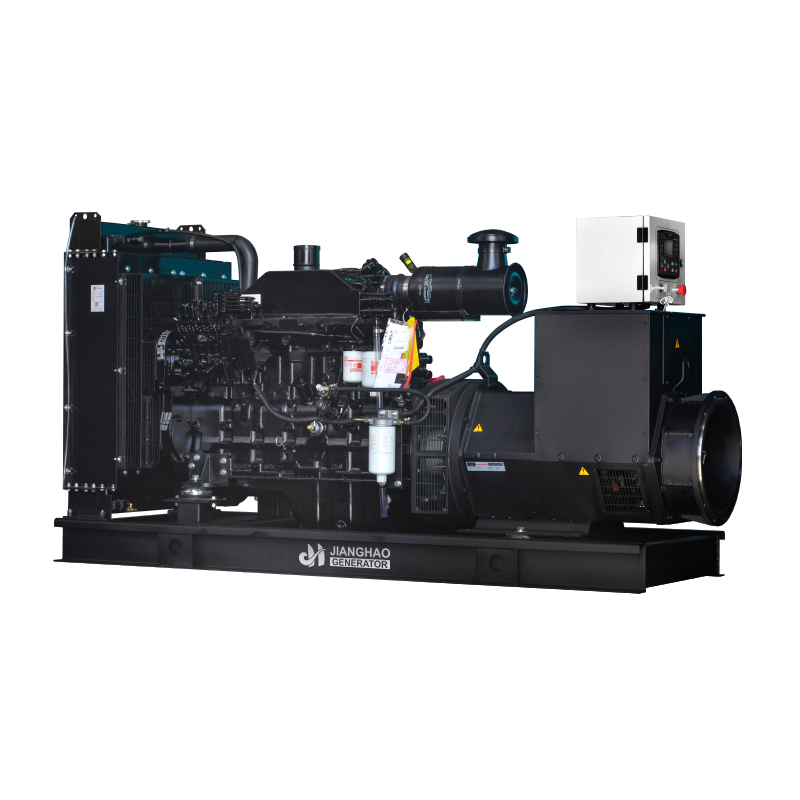 100–300kVA Diesel Generator Sets by Engine BrandCompare 100–300kVA models from Cummins, Perkins, Yuchai, Weichai, Volvo, and Jianghao, with open, silent, trailer, and mobile options for industrial, commercial, and institutional sites.View Product →
For custom projects, the generator manufacturer can help match tank capacity, enclosure type, and fuel-system accessories to the site's load profile and refueling plan. The goal is not simply to store more fuel. The goal is to store the right amount of fuel, keep it clean, and be able to consume or rotate it before it degrades.
When to Bring in a Generator Specialist
Some fuel problems can be handled by site maintenance teams with standard procedures. Others require a specialist. Call for support when fuel testing shows severe contamination, when a tank cannot be cleaned safely with on-site resources, when the generator fails a load test after fuel treatment, or when the site is planning a new installation and needs to match tank capacity to runtime requirements.
A specialist can review the fuel system as a whole: tank condition, venting, filtration, fuel consumption, load profile, and maintenance access. For projects that need non-standard tank arrangements or custom generator configurations, a manufacturer with design and integration experience can be a useful partner. The custom generator design process can address fuel-system layout, enclosure type, and control requirements together rather than treating them as separate purchases.
Operators who want a broader reference for diesel generator operation and maintenance can also review the site's diesel generator operation guide before setting inspection intervals. The right interval depends on the site, but a documented process is better than an informal habit.
Action Checklist
Use the following checklist to turn the storage-life and runtime discussion into a practical maintenance plan.
- Record the tank capacity, usable volume, and the generator's fuel consumption at the site load.
- Calculate the runtime at 50%, 75%, and 100% load, and compare it with the required outage duration.
- Set a fuel-testing interval based on climate, biodiesel content, and criticality. Six to twelve months is a common starting point.
- Inspect for water and sediment at the tank bottom, and drain as needed.
- Exercise the generator under load monthly and record starting, running, and exhaust behavior.
- Change fuel filters on schedule and track clogging trends.
- Keep the tank as full as practical without exceeding the site's fuel rotation capability.
- Use stabilizers and biocides only when the fuel and tank conditions justify them, and follow dosage instructions.
- Plan for fuel polishing or tank cleaning if testing shows contamination.
- Document fuel deliveries, treatments, tests, and maintenance actions so the next outage is not a surprise.
The direct answer to how long diesel lasts in a generator is therefore a pair of numbers: a storage window of roughly 6 to 12 months for typical standby fuel, and a runtime that depends on tank size and load. Both numbers can be extended or shortened by site conditions, but neither can be ignored. A generator is only as reliable as the fuel it can deliver when the grid goes down.