 English
 русский
 Español
 عربى
عربىHow Do You Choose the Right Natural Gas Generator Sets for Your Application?
Natural Gas Generator Sets have established themselves as one of the most commercially and technically significant power generation solutions available across residential, commercial, industrial, and utility scale applications. Burning natural gas rather than diesel or heavy fuel oil, these generator sets deliver electrical power with lower emissions, lower fuel cost in most markets, and better fuel supply reliability through pipeline infrastructure that is not subject to the storage, transportation, and contamination challenges of liquid fuel logistics. For operations that require standby power, continuous power, or combined heat and power generation, a natural gas generator set offers a compelling combination of performance and economics that diesel alternatives increasingly cannot match as fuel prices and emission regulations continue to evolve.
The direct conclusion for anyone evaluating Natural Gas Generator Sets is this: for continuous or prime power generation where a natural gas supply is available, natural gas generator sets deliver lower emissions, lower fuel cost per kilowatt hour, and lower long term maintenance costs than equivalent diesel sets while achieving comparable electrical output efficiency across the power range from 20 kW to well above 10 megawatts per unit. For standby applications, natural gas sets depend on the reliability of the gas supply infrastructure, which must be assessed for the specific location. Where the gas supply is reliable, the natural gas generator set is the preferred specification for most permanent standby and continuous power applications. This article covers the technology, performance specifications, applications, and selection criteria for Natural Gas Generator Sets in full practical depth.
How Natural Gas Generator Sets Work
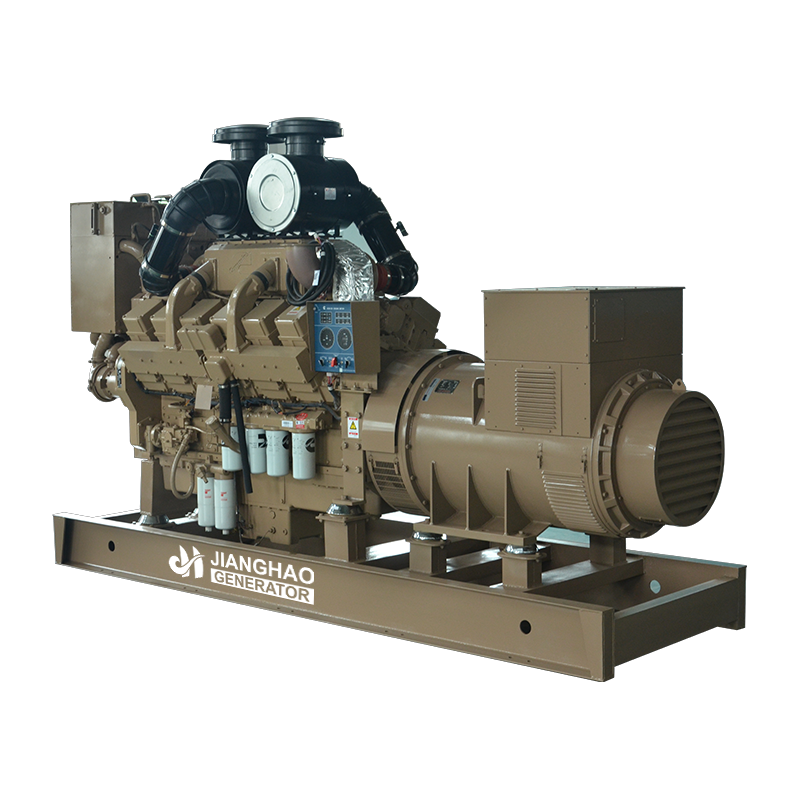
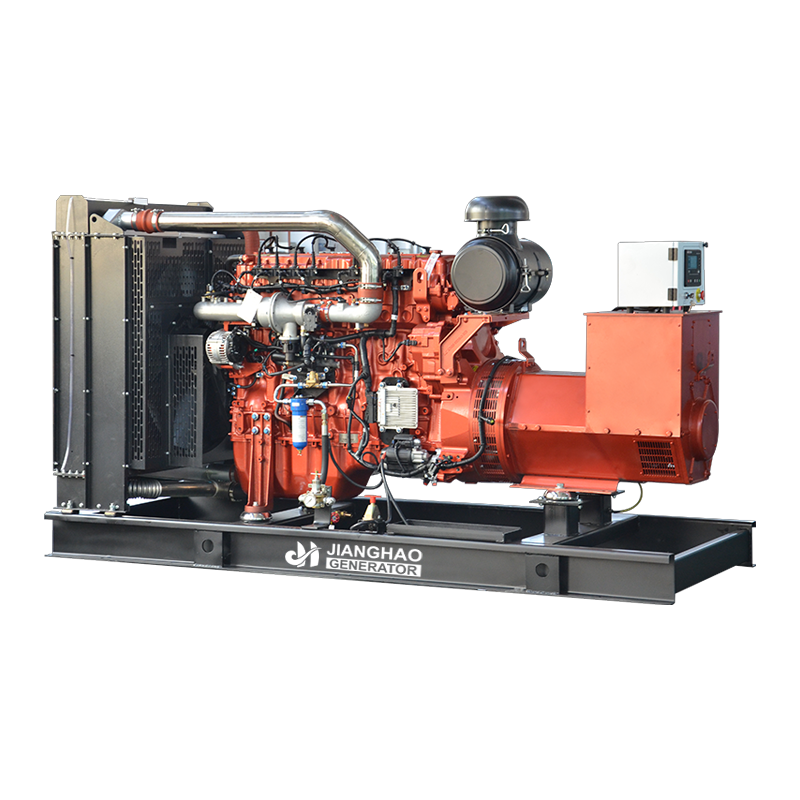
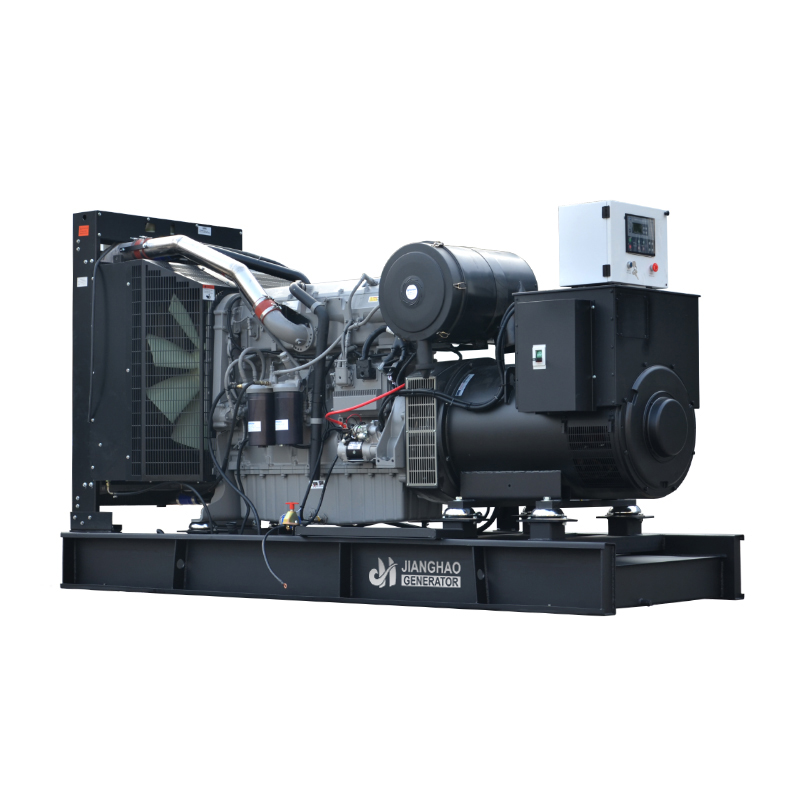
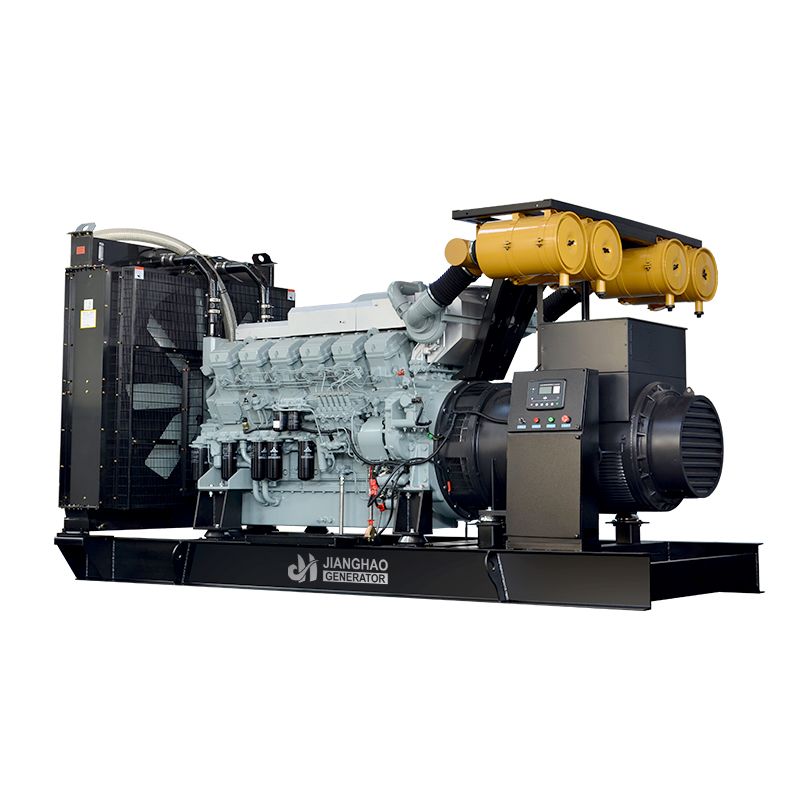
A Natural Gas Generator Set combines a natural gas fueled internal combustion engine with a synchronous AC generator (alternator) mounted on a common base frame, with all necessary ancillary systems for starting, control, cooling, and exhaust treatment integrated into a single deployable package. The engine burns a mixture of natural gas and air in its combustion chambers, converting the chemical energy of the gas into mechanical rotational energy that drives the generator shaft, which in turn produces the electrical output. The entire assembly, including the engine, generator, control panel, cooling radiator, and sound attenuating enclosure where specified, constitutes the generator set package.
Engine Types Used in Natural Gas Generator Sets
Natural Gas Generator Sets are produced with two principal engine types, and the choice between them has significant implications for efficiency, power output, and application suitability:
- Spark ignited (Otto cycle) gas engines: The standard engine type for natural gas generator sets. Natural gas, being a gaseous fuel, cannot be compression ignited like diesel because it does not autoignite at the compression ratios used in practical gas engines. Instead, the air fuel mixture is ignited by a spark plug at the optimum point in the compression stroke. Modern spark ignited gas engines use lean burn combustion technology, where the air fuel ratio is significantly greater than stoichiometric (typically lambda 1.6 to 2.0 or above), which reduces peak combustion temperatures, lowers NOx emissions, and improves thermal efficiency. Premium lean burn gas engines achieve electrical efficiencies of 40 to 45 percent at full load in the 500 kW to 10 MW power range, which is directly comparable to modern diesel engines and significantly better than the 30 to 35 percent efficiency typical of older stoichiometric gas engines.
- Pilot ignited (dual fuel) engines: Large natural gas engines, particularly in the megawatt range, sometimes use a small quantity of diesel fuel (the pilot injection) to ignite a predominantly natural gas air mixture in each cylinder. The diesel pilot provides reliable, precise ignition timing in large bore cylinders where spark plug reach and reliability are more challenging than in smaller engines. Dual fuel engines offer the additional flexibility of being able to operate on diesel alone if the gas supply is interrupted, at the cost of greater mechanical complexity and the requirement to maintain a diesel fuel supply alongside the gas supply.
The Generator Component
The synchronous AC generator in a Natural Gas Generator Set converts the mechanical rotation of the engine crankshaft into three phase AC electrical power at the voltage and frequency specified for the application (typically 400V or 11kV at 50Hz in European and Asian markets, and 480V or 13.8kV at 60Hz in North American markets). The generator's design, insulation class, and cooling method are matched to the power output and application of the set. Brushless, self exciting generators with digital voltage regulators (AVR) maintain output voltage within ±1 percent of setpoint across the full load range and transient load events, which is the specification required for compatibility with most sensitive electronic loads including servers, motors with variable frequency drives, and medical equipment.
Fuel Supply Considerations for Natural Gas Generator Sets
The operational reliability of a Natural Gas Generator Set is fundamentally dependent on the reliability and quality of its fuel supply, and the fuel supply system must be correctly engineered as an integral part of the generator set installation. Natural gas is supplied to generator sets through one of three primary supply sources, each with different reliability, pressure, and installation implications:
- Natural gas utility pipeline: The most common supply source for permanent installations in areas served by gas distribution infrastructure. Pipeline gas is delivered at distribution pressure (typically 20 to 200 mbar at the property boundary in the UK, or 0.25 to 2 bar in industrial supply networks) and requires a pressure regulation station to reduce and stabilize the supply pressure to the engine's fuel system requirement (typically 20 to 100 mbar at the engine fuel inlet for spark ignited lean burn engines). Pipeline gas supply has very high reliability in developed markets, with annual availability typically above 99.9 percent in urban and suburban areas.
- Compressed natural gas (CNG): For locations without access to utility pipeline gas, natural gas can be supplied in compressed form in high pressure cylinders or trailer mounted cylinder bundles at pressures up to 250 bar, requiring a pressure reduction train to bring the gas to engine fuel inlet conditions. CNG supply is practical for medium term remote installations and provides a viable alternative to diesel in locations where diesel supply logistics are challenging.
- Liquefied natural gas (LNG) and liquefied petroleum gas (LPG): LNG can be stored onsite in cryogenic tanks and vaporized to supply generator sets in locations remote from pipeline infrastructure. LPG (propane or butane) provides an alternative gaseous fuel with similar combustion characteristics to natural gas and can be used in suitably converted generator sets where natural gas is unavailable. Both LNG and LPG require specialized storage, vaporization, and pressure regulation equipment.
Performance, Emissions, and Efficiency Comparison
The performance advantages of Natural Gas Generator Sets over diesel alternatives are most clearly seen when comparing the key operational metrics across equivalent power ratings. The following table presents a comparison of typical performance figures for modern natural gas and diesel generator sets in the 500 kW to 2 MW power range.
| Performance Parameter | Natural Gas Generator Set | Diesel Generator Set |
|---|---|---|
| Electrical efficiency (full load) | 38 to 44 percent | 36 to 42 percent |
| NOx emissions (g/kWh) | 0.5 to 1.5 (lean burn) | 2.0 to 7.0 (without SCR) |
| CO2 emissions per kWh | Approximately 20 percent lower than diesel | Reference (higher carbon fuel) |
| Particulate matter emissions | Negligible (clean burning gas) | Significant without DPF |
| Typical engine overhaul interval | 30,000 to 60,000 hours (major overhaul) | 20,000 to 40,000 hours |
| Fuel cost per kWh (relative) | 30 to 60 percent lower than diesel (market dependent) | Reference |
| Fuel storage requirement | None (pipeline supply) or cryogenic tank (LNG) | Day tank and bulk storage tank required |
Key Applications for Natural Gas Generator Sets
Natural Gas Generator Sets serve a wide range of power generation applications across multiple sectors, and the specific configuration, output rating, and ancillary systems required depend on the role the generator set is designed to fulfill:
- Combined heat and power (CHP) systems: Also known as cogeneration, CHP systems capture the waste heat from the generator set's engine cooling system and exhaust gas to produce hot water or steam for space heating, process heating, or absorption cooling. The total energy utilization efficiency of a well designed CHP installation using a natural gas generator set reaches 80 to 90 percent, compared to 38 to 44 percent for electricity generation alone, dramatically reducing the energy cost of facilities that have simultaneous heat and power demands such as hospitals, hotels, universities, food processing plants, and district heating networks.
- Continuous and prime power generation: In regions or facilities where grid connection is unavailable, unreliable, or too expensive to establish, natural gas generator sets provide continuous power to industrial facilities, remote communities, mining operations, and oil and gas production sites where natural gas may be available as a byproduct of production. Prime power natural gas generator sets are specified for continuous operation at or near full rated output 24 hours per day, 365 days per year, and are designed with the robust construction, cooling capacity, and maintenance intervals appropriate for this duty.
- Standby and emergency power: Commercial buildings, data centers, healthcare facilities, water treatment plants, and other critical infrastructure use natural gas generator sets as the primary backup power source for grid supply interruptions. Natural gas standby sets offer the advantages of no onsite fuel storage requirement (eliminating the fire risk, storage regulations, and fuel degradation concerns associated with diesel standby) while providing start times of 10 to 30 seconds from standby mode to full load acceptance, which meets the automatic transfer requirements of most facility emergency power standards.
- Landfill gas and biogas power generation: Natural gas generator sets can be adapted to run on biogas from landfill sites, sewage treatment anaerobic digesters, agricultural waste digesters, and industrial biogas processes. Biogas typically contains 45 to 65 percent methane by volume, with carbon dioxide and trace contaminants making up the balance. Generator sets configured for biogas service use engines with adjusted compression ratios, ignition timing, and fuel system components optimized for the lower calorific value and variable composition of biogas, and may include gas conditioning equipment to remove moisture and hydrogen sulfide that would damage engine components in untreated biogas.
Selecting and Specifying Natural Gas Generator Sets
Selecting the correct Natural Gas Generator Set for a specific application requires systematic evaluation of several interconnected technical and commercial factors that determine whether the selected set will perform reliably, meet regulatory requirements, and provide the expected economic return over its service life.
- Power output rating and duty classification: The output rating of a generator set must be specified for the correct duty: standby power rating (SPR) for sets used only during grid outages; prime power rating (PPR) for sets used as the primary power source with unlimited running hours; and continuous power rating (CPR) for sets providing constant base load power. The standby power rating of a generator set is typically 10 to 15 percent higher than its prime power rating for the same engine configuration because standby operation limits the set to a maximum of 500 hours per year at this rating, whereas prime and continuous ratings must be sustained indefinitely. Specifying a set at its standby rating for continuous operation is a common and serious error that leads to premature engine wear and reduced service life.
- Site altitude and ambient temperature derating: The power output of a gas engine decreases with increasing altitude (reduced air density) and increasing ambient temperature (reduced air density and increased cooling demands). Engine manufacturers publish altitude and temperature derating curves that must be applied to the nominal rated output to determine the actual output available at the installation site. For a generator set installed at 1,500 meters above sea level in a climate where ambient temperatures reach 40 degrees Celsius, the derated output may be 15 to 25 percent below the nameplate rating, and this must be accounted for in the initial sizing calculation.
- Emission compliance requirements: Gas engine installations are subject to emission limits that vary by jurisdiction, installation size, and operating hours profile. European installations above 1 MW are typically subject to the Medium Combustion Plant Directive (MCPD) emission limits for NOx, CO, and total organic carbon, while installations in clean air zones or near residential areas may face tighter local limits. Engine selection must confirm that the engine's certified emission performance meets the applicable regulatory requirements for the specific site and operating profile, including any requirements for selective catalytic reduction (SCR) aftertreatment to achieve NOx limits that the engine alone cannot meet.
- Sound level and acoustic enclosure requirements: Natural gas generator sets produce significant mechanical and combustion noise from the engine, cooling fan, and exhaust system. Installed sound levels must comply with local planning and environmental regulations at the site boundary and at the nearest noise sensitive receptor. The generator set supplier can provide the set in an acoustic canopy or in a purpose built acoustic enclosure that attenuates noise to the required level, and the design of the enclosure must address both the direct radiated noise from the engine and the structure borne noise transmitted through the foundations and building structure.
Natural Gas Generator Sets represent one of the most effective and economically justifiable power generation investments available in today's energy market, particularly for applications where the combination of lower fuel cost, lower emissions, longer maintenance intervals, and the potential for CHP heat recovery can be fully realized. Thorough site assessment, correct duty classification, compliance with emission and noise regulations, and alignment with the natural gas supply infrastructure of the location are the foundations of a successful generator set specification that delivers the expected performance and economics throughout the set's service life.